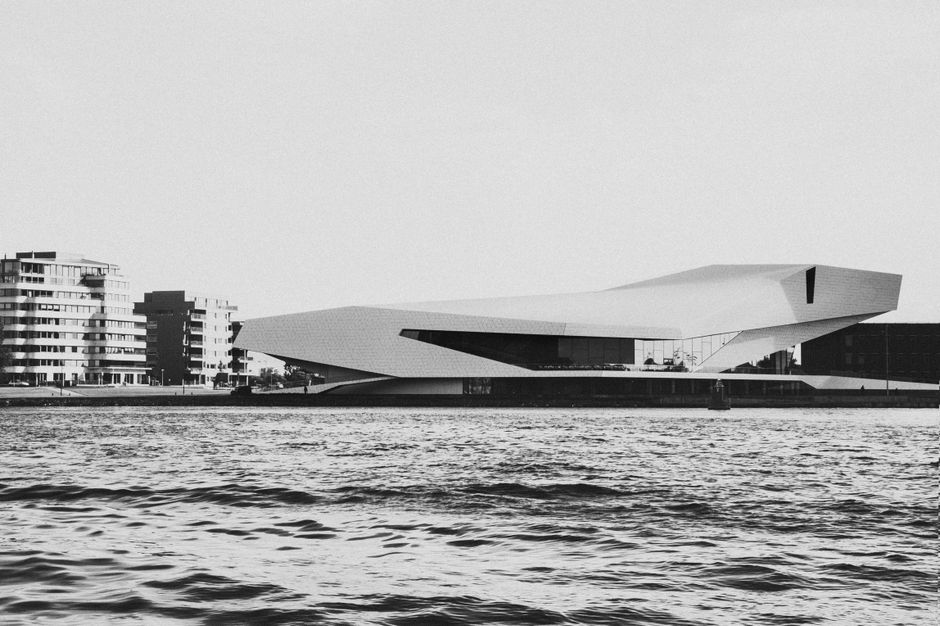
If you’re planning Eye Filmmuseum, the main things to get right are (1) tickets with the right entry time, and (2) your route to Amsterdam-Noord so you’re not rushing once you arrive. We’ll walk you through a practical ferry-first plan, plus what to do on a rainy day when you want your visit to stay comfortable.
We focus on the way locals handle it: book ahead when dates sell out, use public transport for the crossing to Amsterdam-Noord, and build a bit of buffer so you can enjoy exhibitions and screenings without stress.
Tickets and timing (what to look for)
If you want to do more than just a screening—so you’re planning exhibitions + a cinema seat—choose a slightly earlier entry time. That way you’re not rushing between galleries and the auditorium.
Plan on spending around 1.5–2.5 hours at a comfortable pace (depending on how many exhibitions and films you fit in). If you’re doing a full programme day, keep an extra 30–45 minutes in your schedule for queues and transfers.
Good to know: If your visit includes a screening, double-check whether the arrival time you choose is meant for the museum/exhibitions only, or also linked to the film start.
How to book (online and on the day)
When you book, keep these practical checks in mind:
- Choose the correct date first, then confirm the time slot label (timed entry vs “starting at”).
- If you see multiple ticket types, read the description—some are for exhibitions, some are for specific films.
- Save your confirmation (digital is usually fine on your phone).
If you prefer browsing and selecting tickets in a simple interface, you can also use Tiqets—just make sure the ticket details still match what you want to see (exhibitions vs screenings).
On the day, ticket availability depends on the schedule. Going without a ticket can work on quieter weekdays, but on busy days you risk waiting or having to shift to a later time slot.
Good to know: Arrive 15–30 minutes before your chosen entry time so you can get inside comfortably, especially if security lines are longer.
The ferry route that makes the trip easy
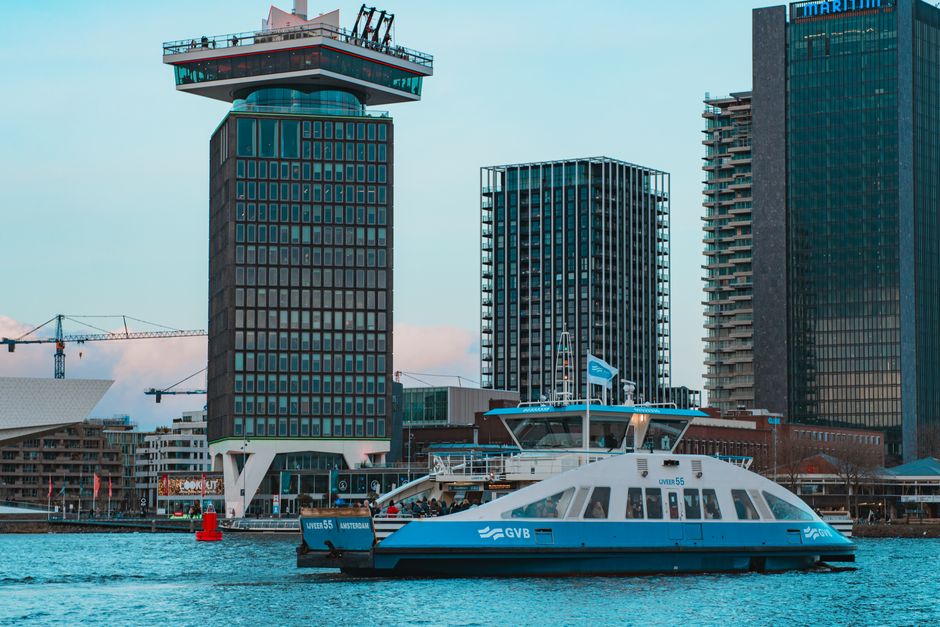
What to take
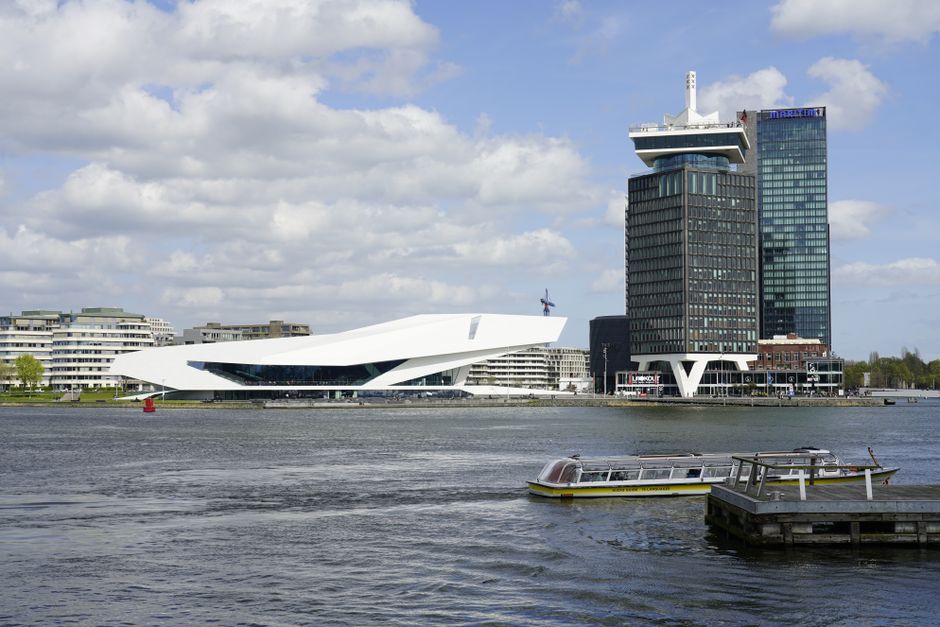
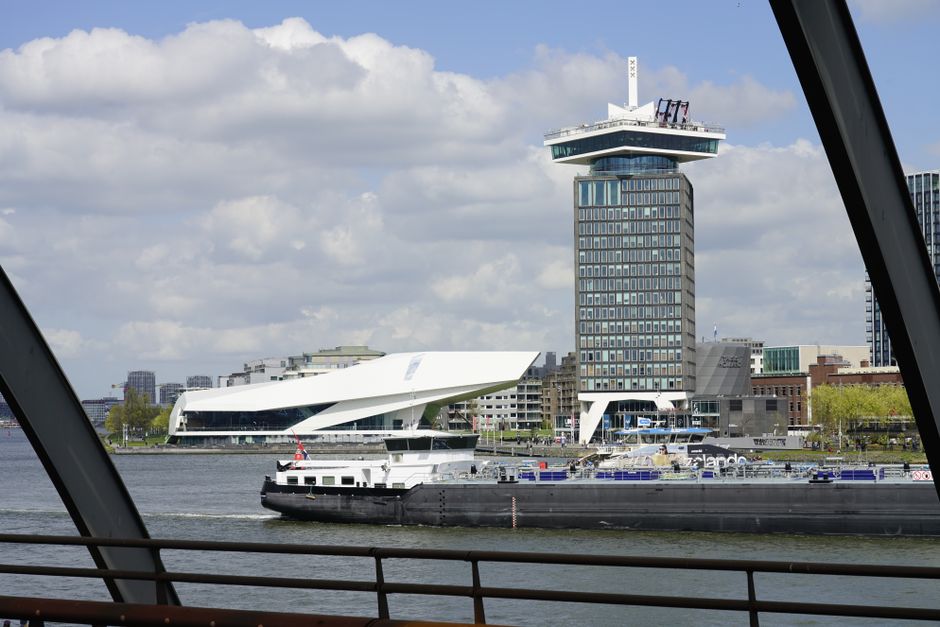
Take a GVB ferry departing from Amsterdam Centraal toward the direction of Buiksloterweg / IJplein (Amsterdam-Noord). Once you’re off the ferry, Eye is a short walk along the waterfront.
If you’re coming from central areas like De Pijp or Jordaan, the key is simply to plan your journey so you can reach Amsterdam Centraal first, then do the ferry crossing from there.
How the walking part works
After the ferry, follow the waterfront path toward IJpromenade and Eye’s distinctive building. The walk is usually straightforward, but on windy or rainy days you’ll feel it—so plan extra time.
Why the ferry is the local choice
Locals like this route because it avoids the “last transfer” stress. You’re already by the water, so the museum feels like part of the journey rather than a final sprint.
Good to know: On the ferry itself you’ll often get better views than from the streets—if the weather clears even briefly, step to the outer side when it’s safe.
Best time to visit Eye Filmmuseum
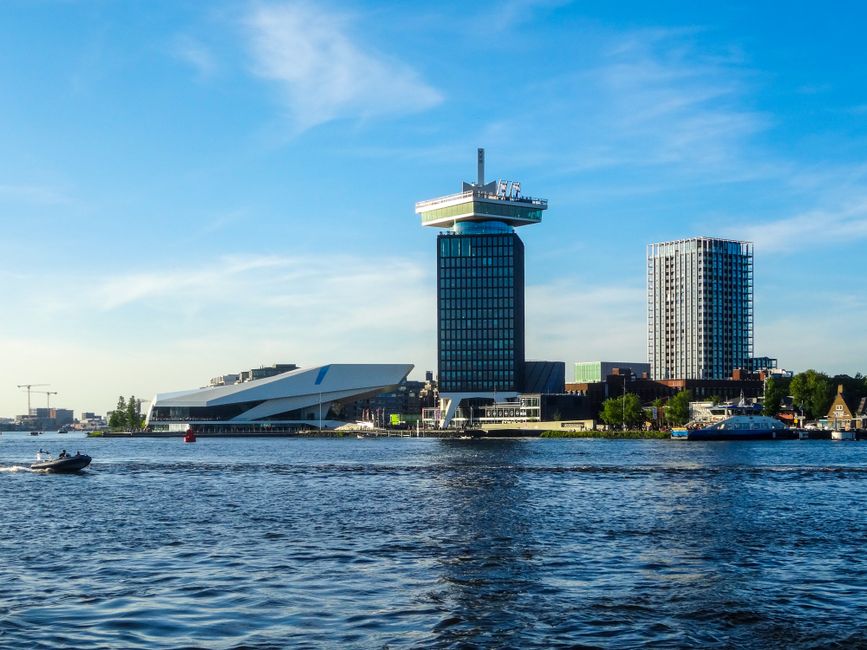
For a calmer experience, aim for earlier slots on weekdays. Morning and mid-afternoon tend to be more manageable than late evening, especially if there are popular screenings.
If you love a “film day” with minimal waiting, consider booking:
- A morning or early-afternoon entry for exhibitions
- A later screening ticket after you’ve had time to explore
For seasonal weather, keep this in mind: summer is the busiest time on the waterfront, so even if the museum is indoor, the lines for timed entry can still be longer. Autumn and winter can be quieter, but you’ll want comfortable shoes because the area around the waterfront can feel colder and windier.
Good to know: If you’re visiting specifically for a film, pick your screening first, then choose the museum entry slot that gives you enough time to get from the ferry and settle in.
What to do on a rainy day
Rain doesn’t ruin Eye Filmmuseum—it actually makes it an even better plan, because most of the experience is indoors. Still, your trip can feel stressful if you don’t adjust timing and gear.
1) Give yourself a little more buffer
Rain + waterfront walking can slow you down. Add 15–25 minutes to your schedule so you’re not arriving flustered for security and entry.
2) Dress for the “wind-chill” effect
Even when it’s not heavy rain, the IJ area can feel windy. A waterproof jacket and non-slip shoes make a big difference.
3) Choose your programme wisely
On a rainy day, you’ll probably enjoy a sequence like:
- Start with exhibitions (you can go at your own pace)
- Pick one screening that interests you (so you’re not constantly changing plans)
If the museum has event-style programming, check what’s on that day so you don’t spend too long wandering before you find the right auditorium.
4) Make the ferry choice based on comfort
The ferry is still a great route, but if it’s really coming down, you might prefer a journey that reduces time exposed to weather. The goal is simple: get to the museum building without sprinting.
Good to know: If you’re already wet when you arrive, head straight to the indoor areas first—your first 20 minutes set the tone for the whole visit.
Final tips
- Book in advance for weekends and busy periods, and double-check whether your ticket is for exhibitions, screenings, or both.
- Use the GVB ferry from Amsterdam Centraal as your default plan—it’s practical and keeps the last leg easy.
- Arrive 15–30 minutes early, especially if you’re on a rainy day or visiting for a specific screening.
- If you want the best atmosphere, do exhibitions first, then plan your film so you’re not rushing between spaces.