If you’re planning a day trip or a short stay, the main question is always the same: do you want flexibility and stops (car), or fewer decisions (train / guided)? In Romania, schedules and connections can vary by day, so we focus on door-to-door timing ranges—not just “travel time.”
We’re covering three end-to-end routes: train, car, and guided day trip. For each, we explain what you gain (comfort, reliability, planning effort) and what you give up (waits, parking, fixed timing), then we end with a simple arrival day plan.
1. Train (Schedule-friendly, usually ~5–7 hours door-to-door)
What the trip feels like
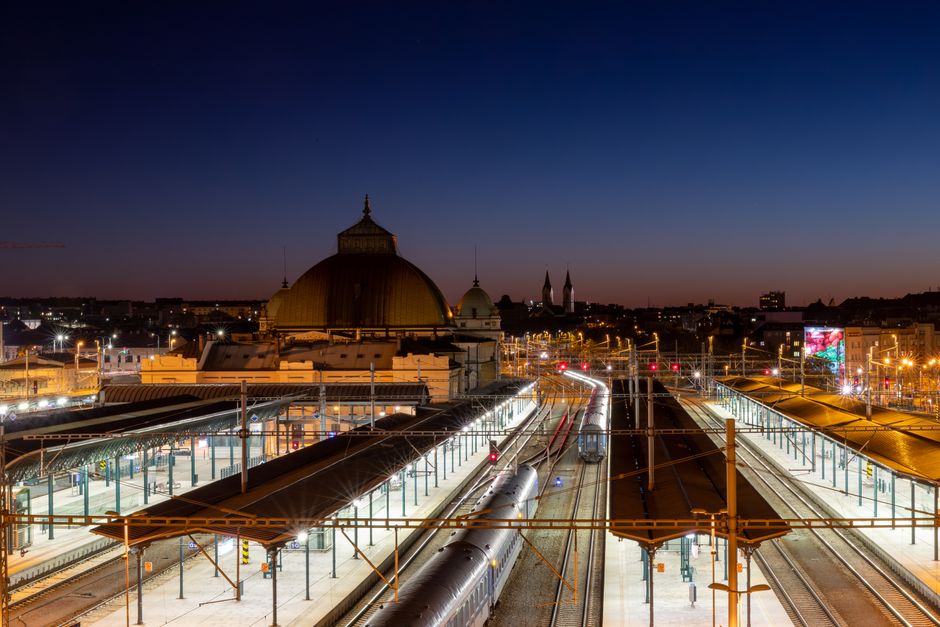
A train can be the least stressful way to travel—especially if you don’t want to drive outside the city. The catch is that this route often involves connections and waiting, so the overall door-to-door time can swing a lot depending on your departure.
Door-to-door timing (realistic ranges)
- Cluj-Napoca city center → Sighișoara city center: ~5 to 7 hours total is a safe planning range.
- Typical pattern: about 4 to 5.5 hours of on-train time plus connection/wait time and getting to/from the station.
- Add buffer if you’re traveling early or late: +30 to 60 minutes for uncertainty.
Comfort, stops, and reliability
- Comfort: usually good—seats, toilets on board, and you can relax.
- Stops: you don’t choose stops. If there’s a connection, you’re swapping trains rather than “stopping for a coffee.”
- Schedule reliability: medium. The train itself is predictable, but the connection is what makes the total time vary.
Best for
- You want to arrive without parking/traffic stress.
- You’re okay with a connection and prefer fixed departure times.
What to watch out for
- Transfers: check whether your connection has enough buffer (you don’t want a long sprint in stations).
- Return timing: if you’re doing a day trip, verify the last workable departure back to Cluj before you commit.
Good to know: If you’re aiming for a day trip, pick the best return train first, then choose the outbound that gets you there with enough daylight.
2. Car (Most flexible, usually ~3 to 4.5 hours door-to-door)

What the trip feels like
Driving is usually the fastest and most flexible option. You can leave when it suits you, stop for coffee or lunch wherever you want, and adjust if weather or traffic changes your plan.
Door-to-door timing (realistic ranges)
- Cluj-Napoca → Sighișoara city center: ~3 to 4.5 hours total is realistic for most departures.
- Driving time: often around ~2.5 to 3.5 hours, depending on traffic and road conditions.
- Add for reality:
- Parking / arriving into the old town area: 20 to 40 minutes depending on where you’ll park.
- A lunch stop: 20 to 60 minutes if you actually stop.
Comfort, stops, and reliability
- Comfort: good if you can handle Romanian roads at highway pace. It’s not “autobahn smooth” everywhere.
- Stops: you control them. This is the big advantage for day trips—breaks don’t break your schedule.
- Schedule reliability: high for timing, but not guaranteed. Traffic around cities and slower stretches can add time.
Best for
- You want to keep the day long and flexible.
- You’re traveling with luggage, or you want to stop once (for coffee) and still be back on time.
What to watch out for
- Old town access: Sighișoara’s center is more pedestrian-friendly. Even if the GPS routes you close, expect you might need to park slightly away and walk.
- Driving at busy hours: leaving Cluj mid-morning usually feels smoother than leaving late afternoon.
- Navigation: Romania’s road signage is improving, but GPS still helps a lot for the last part into Sighișoara.
Good to know: If you’re doing a same-day return, plan your parking strategy in advance—once you enter the old town area, it’s harder to “change your mind” quickly.
3. Guided day trip (Easiest planning, usually ~10–13 hours door-to-door)

What the trip feels like
A guided day trip is the “we don’t want to think about logistics” option. You usually get hotel/meeting-point pickup in Cluj, transport to Sighișoara, time with a guide, and a fixed return.
Door-to-door timing (realistic ranges)
- Cluj pickup → Cluj drop-off: typically ~10 to 13 hours.
- Time in Sighișoara: often ~4 to 7 hours, depending on the group and itinerary.
- The travel time each way is usually similar to the car option: roughly 3 to 4.5 hours, but your total day includes the guided blocks.
Comfort, stops, and reliability
- Comfort: usually very comfortable—no driving stress, and you follow a group schedule.
- Stops: rest breaks are built in, but you don’t choose the exact timing.
- Schedule reliability: high for timing (because it’s packaged), but it’s less flexible if you personally want “one more hour” somewhere.
Best for
- First-time visitors who want context and a smooth schedule.
- People who don’t want to figure out train connections or parking.
What to watch out for
- Itinerary pace: if the group is large, the schedule can feel tight.
- Return time: make sure you’re happy with the drop-off time back in Cluj—some tours return late.
Good to know: If you want a ready-made itinerary without spending time comparing departures, we sometimes find good options through Viator—but always confirm the exact pickup/return time before you go.
How to choose the best option (fast decision)

If you want a clear rule of thumb:
- Choose train if you want a relaxed ride and don’t mind connection time. It’s often best for travelers who prefer not to drive.
- Choose car if your priority is flexibility—you’ll get more control over stops and how long you stay.
- Choose guided if you want the day to be turn-key—a set route, a guide, and fewer planning tasks.
Also think about your arrival style:
- Day trip and you like “arrive → walk → eat → leave”: car or guided usually works best.
- Day trip and you like “arrive → slow exploration”: train can be great if your connection lines up well.
Simple day plan for arrival in Sighișoara (works for all routes)
Use this as a realistic framework. Adjust based on whether you arrive late morning or early afternoon.
1) First hour: settle + orient
Aim to spend the first hour figuring out your base (parking/walk routes) and getting your bearings in the old town area. Even without booking anything special, just walking the main streets in the afternoon light is usually the best “first impression” move.
2) Lunch + slow stroll
Plan a lunch that won’t eat your whole day. If you’re choosing Romanian food, look for a classic hearty meal (sarmale, ciorbă) rather than something “quick but empty.” Then do a relaxed stroll—take breaks on small squares and side streets.
3) Main attraction time (without rushing)
Pick one main landmark activity and give it time to breathe. If you’re going with a guided day trip, this is usually already handled. If you’re independent, choose the main historic stop and then stop sightseeing “when you’re satisfied,” not when your phone battery dies.
4) Afternoon wrap-up: shop + coffee + photos
Leave space for coffee and small local shopping. Sighișoara is the kind of place where you’ll notice details when you’re not rushing.
5) Return planning (the part people forget)
If you’re going back to Cluj the same day, don’t plan your return around “we’ll see how it goes.” Plan it around when transport actually leaves. Add a buffer of at least 30–45 minutes so you’re not sprinting to beat the last part of your trip.
Good to know: For day trips, the most common failure is underestimating the last-mile walk/time back to your station/parking spot.
Final tips
- Always plan door-to-door: add time for getting from your accommodation to the station (train) or to a practical parking spot (car).
- If you’re doing a same-day return, pick the return option first—especially for train connections.
- If your schedule is tight and you don’t want to think about logistics, a guided day trip is often the most “reliable” experience, even if it’s the longest day.