If you want to visit the Danube Delta from Bucharest, plan it as two parts: a relatively fast trip to Tulcea on land, then dedicated boat days inside the delta. Most people go for 2–4 nights so you don’t waste time just crossing water.
We’ll help you pick the right logistics (train vs car vs flying into a nearby airport) and the right boat itinerary—especially if you care about birdwatching. We also point out what you should pre-book, so you’re not stuck waiting for the next departure when you’re on a tight schedule.
Get from Bucharest to Tulcea (your launch point)
Your first goal is Tulcea. That’s where ferries and guided boat trips typically start, and where most day tours and multi-day routes are organized.
Car: fastest and most flexible
Driving is usually the simplest option if you want control over departure time and can handle rural roads outside the city. It’s also useful if you’re traveling with gear for birdwatching (binoculars, waterproofs, spare layers) and want to leave early to avoid delays.
Practical approach: pick a day arrival in Tulcea, not late afternoon. In the delta, mornings are prime time for activity, and you’ll enjoy your first boat day more if you’re already settled.
Train: doable, but check schedules
Trains to the region can be convenient, but they’re often less straightforward than driving, with changing connections and limited frequencies depending on the season. Before you commit, verify the exact routing and arrival time on the day you plan to travel.
If your train lands in the evening, you’ll likely need an extra night anyway—so make sure your boat plan matches that reality.
Flight: rarely the best “from Bucharest” move
For a Bucharest-to-delta trip, flying is typically only worth it if it reduces a long overland leg because you’re combining other travel days. Even when you fly, you still need a ground transfer to reach Tulcea, so the benefit can be small.
If you’re set on flying, treat it as part of a multi-day plan, and keep the “first day in Tulcea” arrival time realistic.
Private transfer: good if you hate logistics
If you prefer a door-to-door option (especially for families or small groups), consider arranging a private car transfer. We’ve used GetTransfer before for straightforward point-to-point travel when we didn’t want to coordinate taxis.
Good to know: whatever you choose, aim to arrive in Tulcea early enough to walk around, buy any last-minute supplies (waterproof footwear, insect repellent), and sleep well before your boat start.
Start with the water: what your first boat day can look like
Once you reach Tulcea, your next decision is whether you’re doing a “fixed departure” day or a guided itinerary that goes deeper into the delta.
A common pattern is:
- Day 1: Transfer + Tulcea settling + short cruise or local exploration
- Day 2–3: Longer boat days into channels, reeds, and wildlife zones
- Final day: Return toward Tulcea and back to Bucharest
How fast you move depends on where you’re going. Some areas are easier to reach directly, while others are better with a guided multi-day plan because you’re following a route that lines up with wildlife activity.
If birdwatching is the priority
Choose an itinerary that includes quiet channels and at least one morning session on the water. In the delta, the difference between “seeing birds” and “having bird moments” is often timing (early) and reduced noise (guided groups usually know where to stop).
If you’re short on time
It’s still possible to do a delta experience in 1–2 days, but you’ll get the best value by focusing on one area and not trying to cover everything. Over-optimistic “see all of it” plans tend to feel rushed once you account for transfers.
Good to know: boats can be affected by wind and water conditions. Always build in some flexibility on day plans, not just on your transport back to Bucharest.
Routes to book (and where you’ll likely birdwatch)
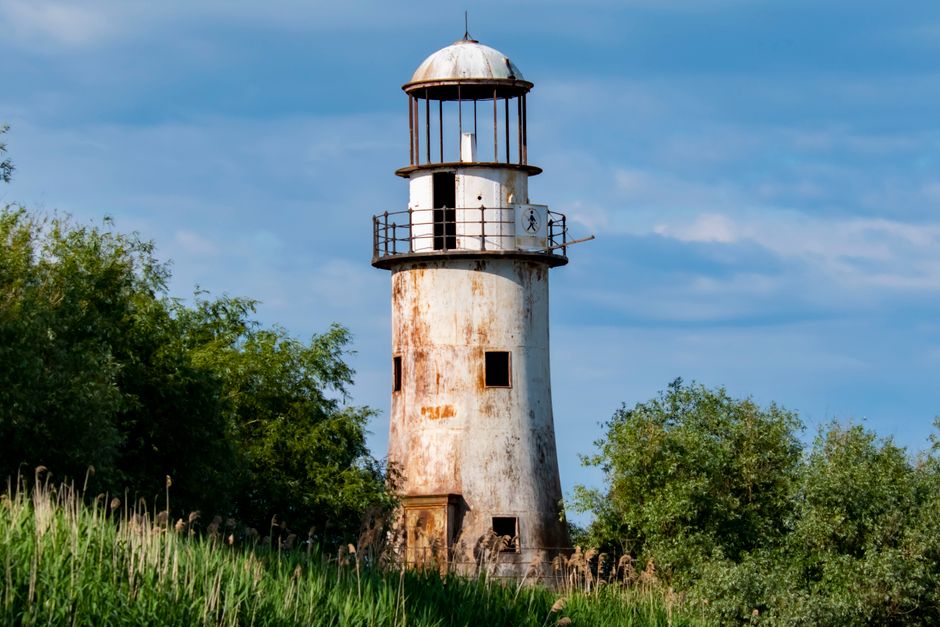
Here are the most common delta areas people aim for, with what they’re good for. When you browse tours or boat days, match the route name to one of these areas so you know what you’re actually booking.
1. Tulcea (starting point and logistics hub)
Most itineraries begin here because it’s where you organize departures and overnight stays. Even if the “real delta” starts beyond the city, Tulcea matters: it’s where you’ll meet guides, confirm boat details, and sometimes store luggage for multi-day trips.
If your plan includes a short cruise on arrival day, Tulcea is often the easiest first taste before you go deeper.
Good to know: for early departures, ask what time you should be at the meeting point the day before—don’t rely on a generic morning schedule.
2. Sulina (classic delta channels and a more coastal feel)
Sulina is one of the best-known delta destinations, with wildlife-friendly water routes and a sense of “big water” compared to inner canals. It’s a popular choice when you want a mix of birdwatching and scenic cruising without needing a very complex itinerary.
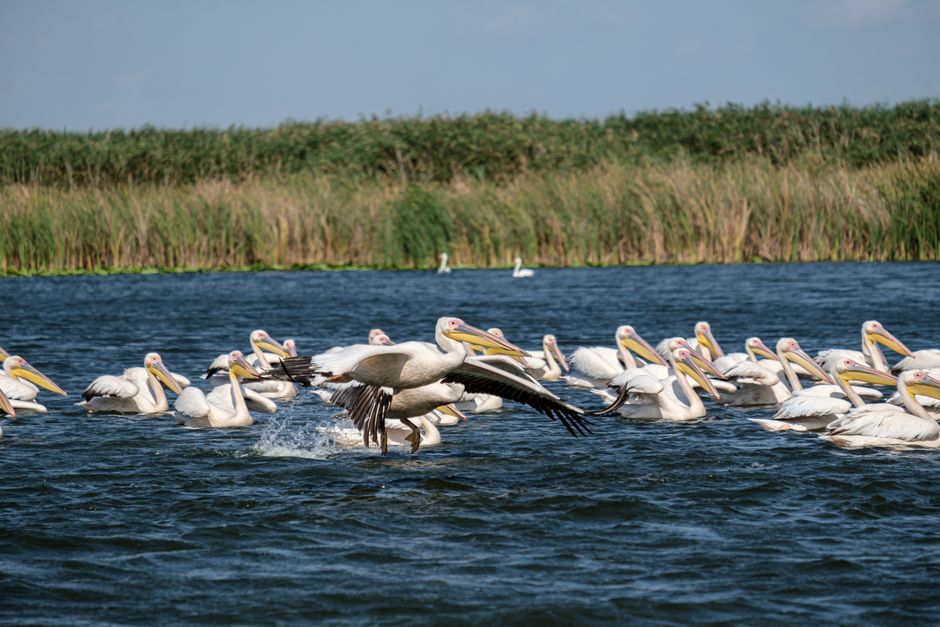
Birdwatching highlights often include large water birds and good viewing from the boat when stops are timed well.
Good to know: if your tour offers multiple “stop points” around Sulina’s waterways, take the longer option when available—it usually means more chances to get off the boat.
3. Sfântu Gheorghe (a popular base for reed-channel exploration)
Sfântu Gheorghe is a go-to area for travelers who want calm channels, reed landscapes, and regular wildlife viewing opportunities. Many boat routes here focus on the feeling of being deep in the delta’s maze.
It’s also a good choice if your itinerary includes an overnight and you want at least one quiet morning session.
Good to know: bring something warm even in summer—early mornings on the water can feel cooler than you expect.
4. Chilia Veche (more “remote delta” energy)
Chilia Veche is often chosen for itineraries that feel more off-the-main-route. Depending on your tour style, you may spend more time in channel networks and less time in broader, open-water cruising.
For birdwatchers, this kind of route can be great for reed-bed species and slow, stop-and-scan boat pacing.
Good to know: remote routes usually mean fewer schedule changes—confirm your return timing early.
5. Periprava (known for wildlife viewing areas)
Periprava is frequently associated with wildlife-focused visits, especially for travelers whose main goal is “spotting birds” rather than just sightseeing. Many operators build itineraries around the surrounding waterways and viewing stops.
If you’re serious about bird photography, look for tours that include longer stops and fewer quick passes.
Good to know: if your tour is canoe-friendly (where offered), ask how it affects stability and viewing comfort.
6. Letea and the Letea forest (sand-dunes + bird-friendly landscapes)
Letea is a memorable area because it combines delta landscapes with sandy, open-feeling edges. That mix can be great for birdwatchers because the habitat variety supports different species.
If your tour route includes a land/walk segment here, it can add a different viewing angle beyond “only from the boat.”
Good to know: wear shoes you can walk in on uneven ground—sand and reeds aren’t forgiving.
7. Crisan / Uzlina area (reeds, channels, and multi-day adventure)
The Crisan and Uzlina region is a common choice for multi-day delta itineraries because it naturally supports deeper exploration into smaller waterways. It’s often the area where tours feel most “immersive.”
Birdwatching is usually part of the plan, and guides often know how to plan stops around the birds’ daily rhythms.
Good to know: multi-day routes can include early mornings and late evenings on the water—pack for both, not just for daytime.
What to pre-book (especially for birds)
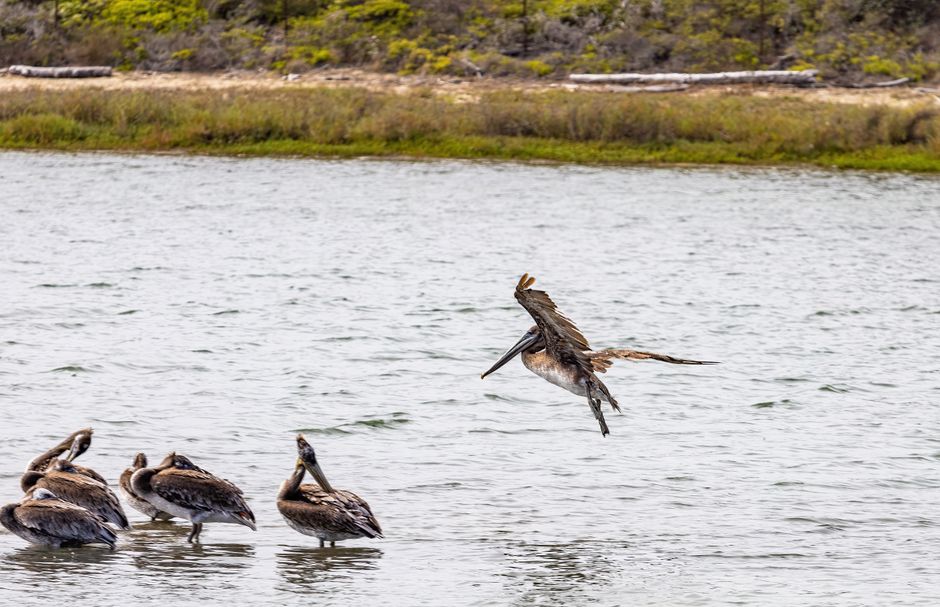
Not everything needs booking, but for the delta, some things are worth confirming early. Pre-booking helps you lock in the right route and ensures the boat day you want actually lines up with your dates.
1) Your boat itinerary (route + start date)
The #1 booking is the core boat plan: which delta area you’re going to, when you start, and whether it’s guided or self-paced. If you’re traveling in peak season, availability can tighten.
When comparing options, look for details like:
- whether the plan includes morning boat time
- how many stop moments you get (quick cruising isn’t the same)
- whether the itinerary stays flexible for conditions
If you like fixed schedules, you can also compare structured tours on Viator when you’re trying to shortlist options quickly.
2) Birdwatching time (guides + quieter stops)
If birdwatching is your priority, choose a guide-led itinerary where the guide is responsible for boat pacing and stop selection. In practice, this is what makes your viewing more successful—knowing where to slow down and when.
Ask in advance (by email/phone) whether your itinerary includes:
- early morning scanning time
- time at reed beds or known viewing points
- instructions for staying quiet on the boat
3) Overnight stays if you’re doing 2+ nights
For anything beyond a single day, you’ll likely need accommodation in or near Tulcea and/or in the delta area depending on the route. If you’re booking a guided multi-day trip, they often include the relevant nights; if you’re assembling it yourself, you should book lodging before you lock transport.
Good to know: on water-based itineraries, room details can vary—confirm the basics (shared vs private, bathroom situation, and how luggage is handled).
4) Your return connection back to Bucharest
People often book the “go” part, then underestimate how quickly the final day can turn into a juggling act. Your last boat day should be paired with your land return plan.
Practical approach: set a buffer for the final day so you’re not rushing from a boat arrival straight into a long-distance departure.
Tours vs tickets vs self-planning (how locals usually approach it)
Here’s the simple way we think about it: self-planning can work for experienced travelers with flexible dates, but guided tours are usually the better “time-to-wildlife” option.
Choose a guided tour if you want fewer decisions
A guided itinerary reduces the mental load—especially for route selection inside the delta. If your main goal is birdwatching, a guide also helps you focus on spotting rather than navigating.
Good fit if:
- you’re going for 2–4 days
- you want early morning sessions
- you care about bird accuracy (species ID, habitat explanations)
Choose a more independent plan if you prefer simple day trips
For very short trips, you might do one or two day boat experiences and keep the rest flexible. This can be easier if you don’t want to commit to a multi-day program.
Good fit if:
- you want a “taste” of the delta
- you’re okay with less structure
- your schedule is tight and you’re flexible with timing
A note on “what to book first”
If you’re unsure, prioritize in this order:
- your land arrival timing in Tulcea
- your main boat itinerary (route + day start)
- any extras (birding-focused add-ons, additional day trips)
Good to know: avoid booking your whole plan as if everything runs like a city schedule. The delta depends on conditions, and the best itineraries are the ones that can adapt.
Final tips
- Arrive in Tulcea with breathing room. Trying to connect a long land route to an early boat departure is where trips get stressful.
- Book around the morning. Wildlife activity is strongest early, and your guide will plan stops with that in mind.
- Pack like you’re on the water. Even in summer: layers, waterproof shoes, insect repellent, and a dry bag for your camera/phone.
- Pick one main delta area. You’ll see more and feel less rushed than if you try to “collect” multiple regions.