If you’re planning a 3-day day trip from Amsterdam, Leiden, Delft and Rotterdam are a perfect rail route: close enough for full days, but different enough to feel like separate worlds.
We built this plan around trains first (so you’re not scheduling around driving), then added the stops locals actually repeat: canals and old centres in Leiden and Delft, and Rotterdam’s modern sights plus its food hall.
Quick rail reality check
- Amsterdam ↔ Leiden is usually about 35–45 minutes.
- Leiden ↔ Delft is usually about 40–60 minutes.
- Amsterdam ↔ Rotterdam is usually about 1:30–2:00 hours.
How this 3-day plan works
For travel times, plan around the “about” ranges above, and always confirm the exact departure/arrival in the NS app or at the station board. Intercity vs. sprinter (and occasional track works) can shift timings by 10–15 minutes.
Here’s the backbone:
- Day 1: Amsterdam → Leiden → back to Amsterdam
- Day 2: Amsterdam → Leiden → Delft → back to Amsterdam
- Day 3: Amsterdam → Rotterdam → back to Amsterdam
Day 1: Amsterdam → Leiden → Back (Old town + botany + a proper market lunch)
In Leiden, locals tend to do two things well: walk between the canals and choose lunch from the market atmosphere (more on that below). Expect museums and gardens to take longer than the photos make them look.
1. Academiegebouw (Leiden University)
Leiden’s university buildings are part of the city’s identity, and the Academiegebouw is one of the most photogenic spots in the centre. It’s a great “first stop” because it orients you: from here, you’re naturally close to canals, squares, and the older lanes.
Walk around slowly rather than rushing inside—standing in the plaza area already gives you the Leiden vibe. If you like architecture, this is the kind of landmark locals bring visitors to because it feels both historic and very “alive”.
Good to know: On a first day, don’t over-pack the schedule—this stop works as a low-effort warm-up before you move into museums and gardens.
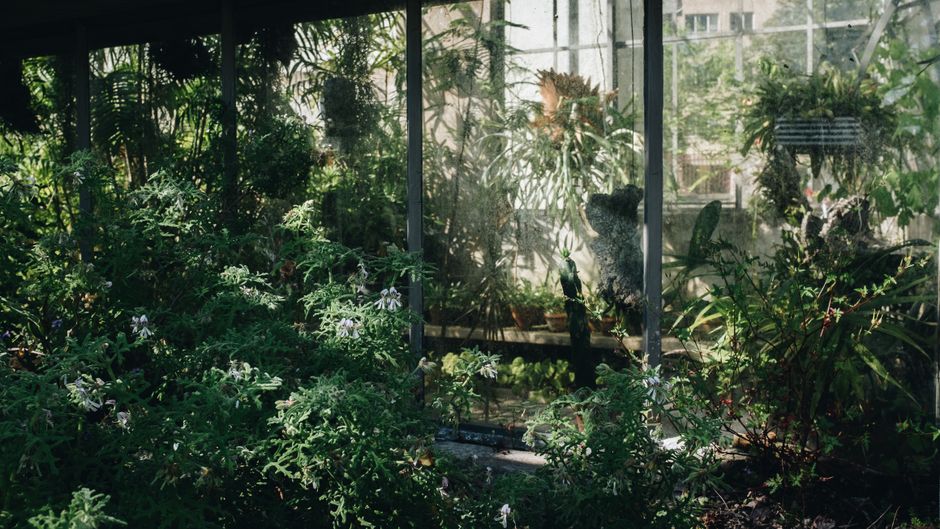
2. Hortus Botanicus Leiden
The Hortus is one of the best Dutch botanic gardens for a calm reset. It’s small enough to finish in a relaxed couple of hours, but rich enough to feel like you’ve “done something” between the city blocks.
It also pairs nicely with Leiden’s canal walking: you can step out, grab a coffee, and continue strolling without needing another long commute.
Good to know: If you’re visiting with less time, prioritise the core garden paths first, then add any extra sections only if you’re still feeling fresh.
3. Leiden Lakenhal
Lakenhal is the city’s main museum for local art and history. Even if you’re not a “big museum person”, it’s a good way to understand why Leiden’s cloth, wealth, and craftsmanship shaped the streets you’re walking.
For a day-trip plan, museums are useful because they give you a structured indoor slot when the weather turns. Plan it as your midday/afternoon anchor.
Good to know: Keep the museum portion purposeful—choose one or two galleries/themes rather than trying to see everything.
4. Stadhuisplein market (Leiden weekly market vibe)
For lunch, go where the locals already go: the weekly market around Stadhuisplein. Market culture in the Netherlands is less about shopping for souvenirs and more about grabbing good food—cheese, bread, and the stuff you’d otherwise “treat yourself” to.
What to look for in Leiden:
- Cheese (ask what’s “Leids”/local if options are labelled)
- Stroopwafel-type sweets and snack breads
- Vendors selling quick bites that make sense for walking lunch
If you want something hot and filling, go for a warm stew/soup option if available that day—winter or cooler months are especially good for this.
Good to know: Markets work best if you treat lunch like a “menu”—buy 2–3 small things and eat while you walk.
Day 2: Amsterdam → Leiden → Delft → Back (Canals + Delft Blue heritage)

Most days look like:
- Morning train to Leiden
- Midday train to Delft
- Late afternoon return towards Amsterdam
5. Delft Markt (the square that pulls you in)
When you arrive in Delft, start at Markt. It’s where the city feels most “complete”: historic façades, the old-town atmosphere, and the kind of open space that makes walking between stops effortless.
This is also where you can quickly get lunch vibes without committing to a sit-down restaurant. If you time it well, you’ll catch market-style activity or at least have plenty of options around the square.
Good to know: Delft is best on foot—use Markt as your anchor point and let the streets feed you.
6. Prinsenhof Museum
The Prinsenhof area is a classic Delft stop because it connects you to the city’s deeper history without requiring a full-day museum commitment.
It’s also a good indoor option if the morning is windy or rainy. After this, you’ll want to get outside again—so don’t schedule back-to-back long museum visits.
Good to know: If you’re short on time, focus on the most prominent rooms/exhibits and move on rather than trying to “complete” the museum.
7. Royal Delft (De Koninklijke Porceleyne Fles)
If you’re interested in why Delft is known worldwide, this is the stop. Royal Delft is tied to the iconic Delft Blue porcelain story, and seeing the heritage context makes it feel less like shopping and more like craftsmanship.
Even if you don’t buy anything, it’s still worth it as a cultural checkpoint—plus it breaks up the day before your final centre walk.
Good to know: Check the tour/entry flow you can access on the day you go; it can affect how quickly you move through the experience.
8. Nieuwe Kerk Delft (the church you’ll keep seeing)
The Nieuwe Kerk (New Church) is one of Delft’s best “vertical landmarks” in the city centre. It gives you that sense of place—Delft isn’t just flat canal streets; it has height, monuments, and scale.
Pair it with a walking loop around the centre: look up from street level, then cross back and enjoy the canal-side viewpoints.
Good to know: Plan this toward late afternoon when the light often helps photos and you’re already in that relaxed walking mode.
Food focus for Delft (what locals tend to pick)
For Delft lunches, locals often prioritise bread + something sweet and keep dinner flexible. A few things to look for:
- Stroopwafel (sweet snack; choose fresh if available)
- Delft-style snacks around the Markt area
- When you want something savoury: kroket / frikandel-style Dutch fast comfort foods sold near busy centre streets
Good to know: If you can, eat your sweet snack after your sightseeing—Delft’s charm is a “walk-first” city.
Day 3: Amsterdam → Rotterdam → Back (Modern icons + a food hall that does the work)
Aim to depart Amsterdam in the morning (roughly 9:00–10:00). Rotterdam doesn’t feel big when you’re moving, but it gets big when you’re tired.
9. Erasmusbrug + Kop van Zuid viewpoints
Rotterdam’s identity is tied to its bridges and views. The Erasmusbrug area and viewpoints around Kop van Zuid help you understand why people describe Rotterdam as “designed” rather than “historic”.
This also gives you an easy photo-and-stroll route: you’re not trapped inside, and you can adjust your pace depending on weather.
Good to know: If wind picks up, don’t fight it—shorten the loop and move to the next indoor stop.
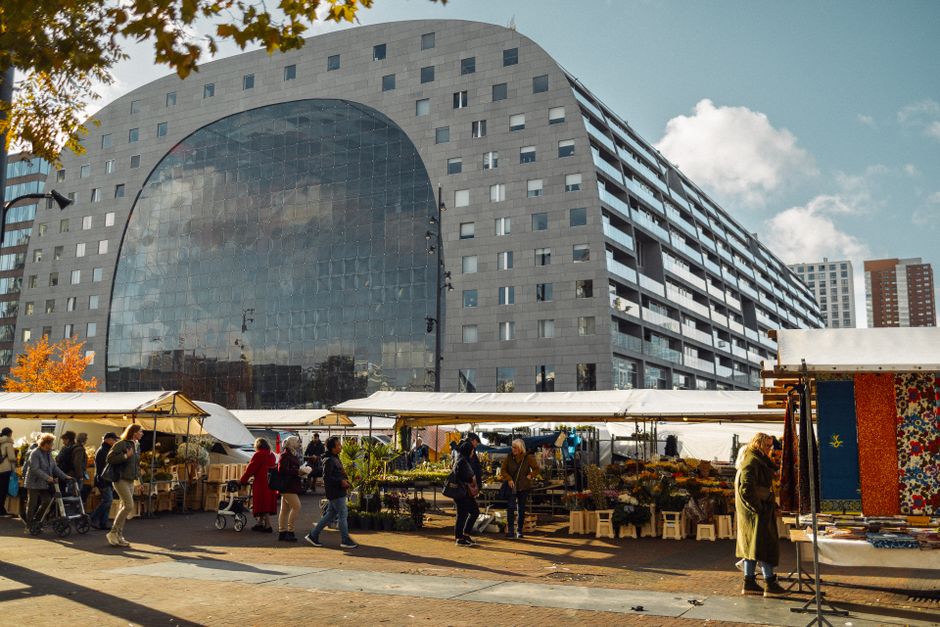
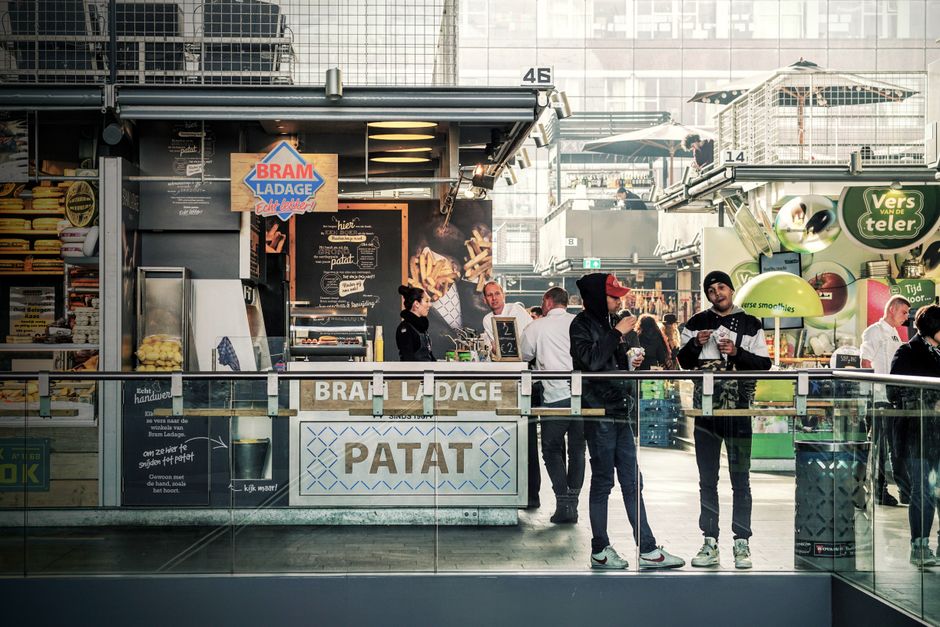
10. Markthal Rotterdam (food hall lunch)
For “what do I eat here?” Rotterdam solves it fast: go to Markthal. It’s a food hall where you can assemble a proper lunch without hunting for the perfect restaurant.
What to look for at Markthal:
- Dutch classics like broodje varieties and warm snacks
- Seafood bites if there’s an oyster/fish stall open that day
- Desserts and bakery items if you want to keep the day moving
Good to know: Plan for a standing-and-eating lunch—then you’ll have more energy for the architecture stops right after.
11. Kubuswoningen (Cube Houses)
The Cube Houses are one of Rotterdam’s most recognizable experiences, and they work even if you only do the exterior first. If you have the time (and interest), an interior visit can be a fun “how is this even possible?” moment.
Put this mid-afternoon. You’ll have morning energy for the big sights, and you’ll still be awake for the slightly more interactive parts.
Good to know: Give yourself a little buffer—this is a popular photo stop, so queues can happen.
12. Museum Boijmans Van Beuningen
If you want one cultural anchor in Rotterdam that isn’t just “look at buildings”, this museum is a strong choice. It helps balance the modern architecture day with something art-focused.
You don’t need to see every gallery to make it worthwhile—think of it as your indoor “reset” before your trip back.
Good to know: Choose a short, high-interest route inside; it keeps the day-trip pace comfortable.
Final tips
- Build your day around stations and walking loops. Leiden, Delft, and Rotterdam centres are best by foot once you’re inside.
- Don’t book your whole day too tightly. In rail travel, a 10–15 minute delay can cascade—keep one “buffer slot” for snacks or a market wander.
- For food, use markets as your shortcut in Leiden and Delft. Market lunches feel local because they’re local-by-default, not because you found a trendy place.
- Confirm routes on the day. Train times vary with service patterns and maintenance, and the NS app is the quickest way to avoid surprises.