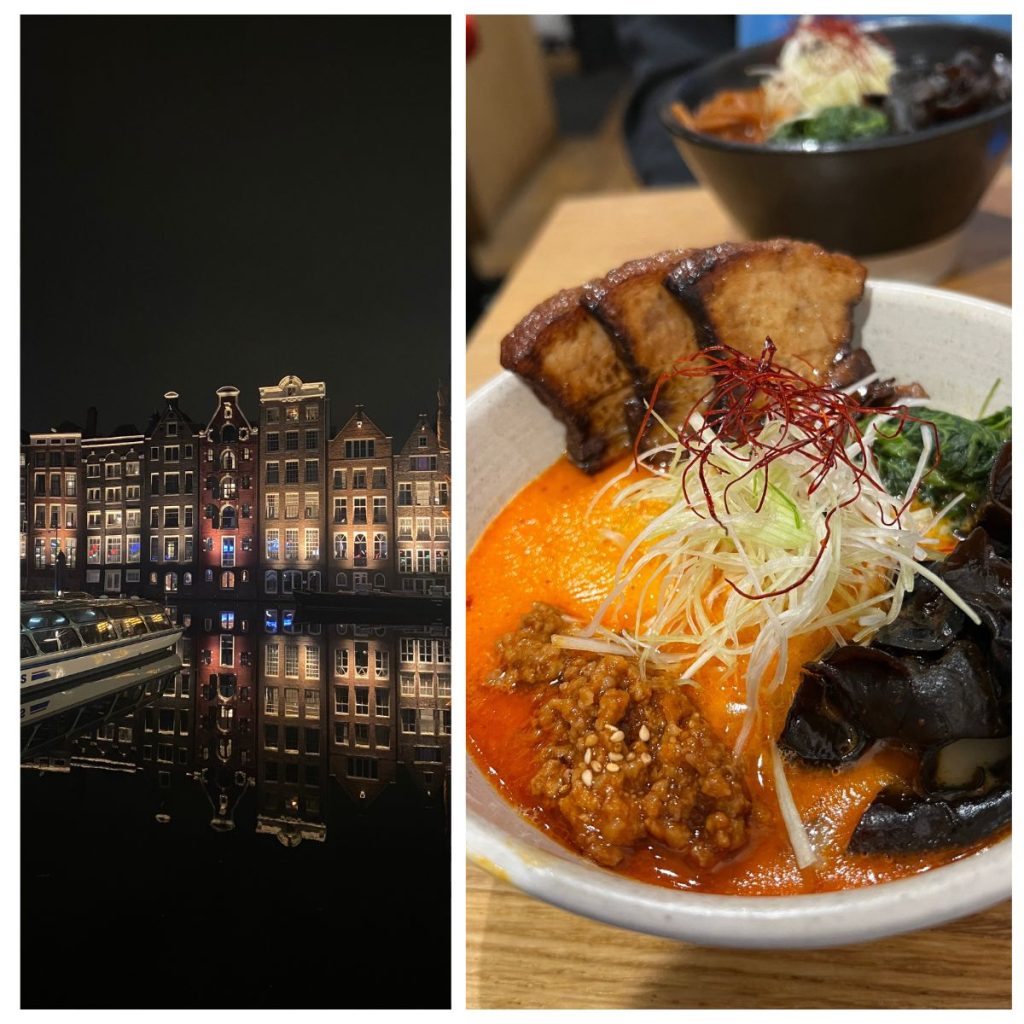

If you’re working from Amsterdam, the “best” area isn’t the loudest one or the most central one. It’s where you can do your deep-work hours, grab coffee nearby, and still sleep well at night.
We chose neighbourhoods that balance three things you’ll feel every day: quiet-ish evenings (especially in weeknights), reliable café density (laptop-friendly without being a zoo), and fast transit to Amsterdam Centraal and the Zuidas business area.
Below, each neighbourhood has a realistic stay-cost range for a short stay (typical for serviced apartments or furnished rentals) and a quick guide on what kind of remote-work rhythm fits best.
1. De Pijp – near Albert Cuyp & De Pijp Metro
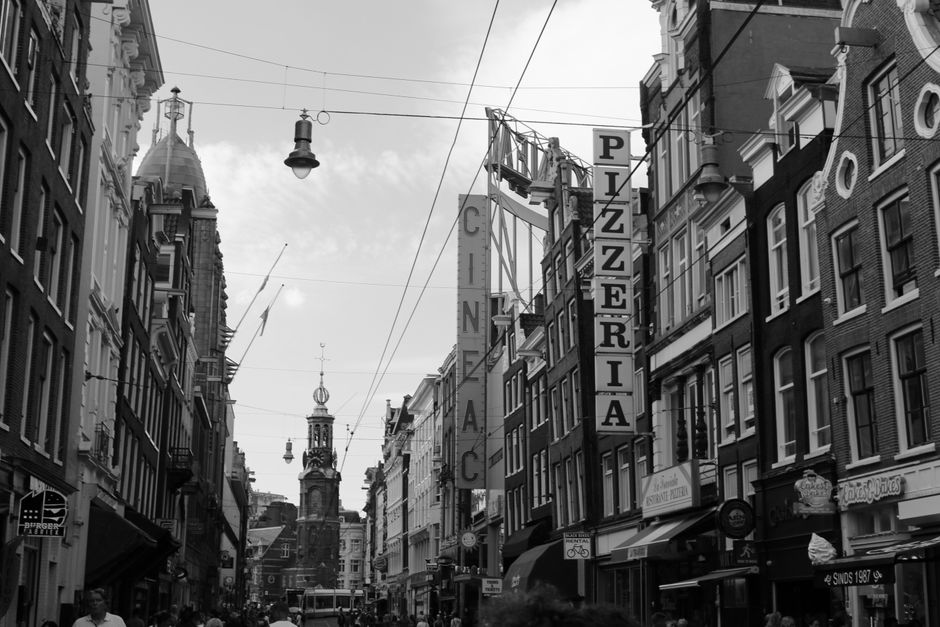
For remote work, this area is strong because cafés are everywhere, so you can rotate seats and keep your schedule moving. Expect lots of options for espresso, lunch, and a quick bite when a meeting overruns.
Transit is convenient: you’re usually within a short tram/metro ride of Amsterdam Centraal, and the city stays easy to navigate without planning every trip in advance.
Stay-cost range (typical short-stay): about €2,500–€3,600/month for an apartment/studio, depending on exact street and how central you are.
Good to know: If you’re sensitive to noise, prioritise streets a few blocks away from the busiest market-area corners.
2. Oud-West – Kinkerbuurt & the ring of trams
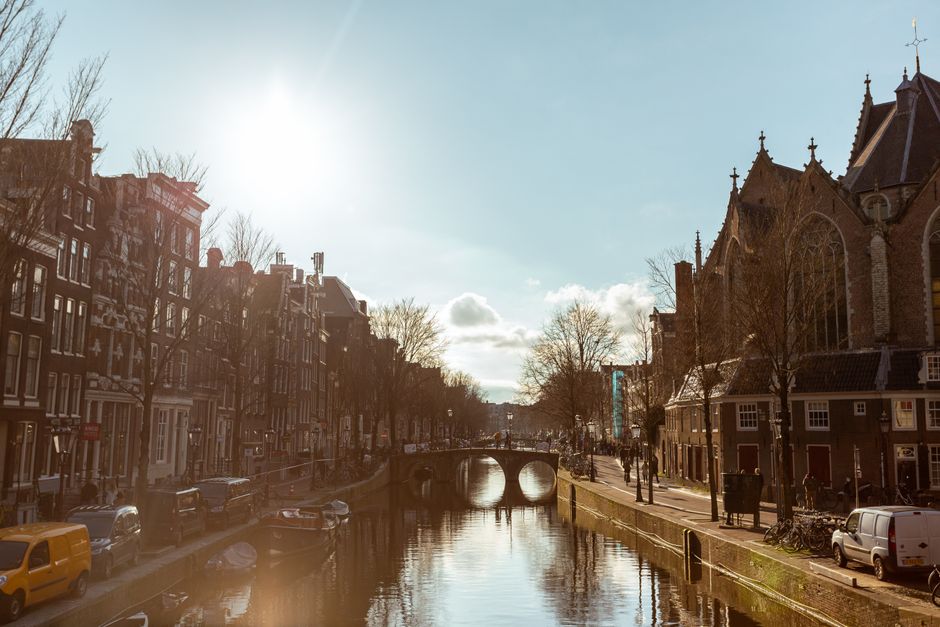
This is a great match for people who like switching environments: one day at home, one day in a café, and still plenty of options for groceries without long rides. Even in busy seasons, the neighbourhood doesn’t feel as all-day touristy as the most central core.
For transit, Oud-West is practical because multiple tram lines cross here, so getting to Amsterdam Centraal and most office districts is usually straightforward.
Stay-cost range (typical short-stay): about €2,400–€3,500/month for a studio/apartment.
Good to know: Look for places near tram stops, then check the street at evening time—some blocks get busier than they look on a map.
3. Oost (Oosterpark & Indische Buurt edge) – space to breathe
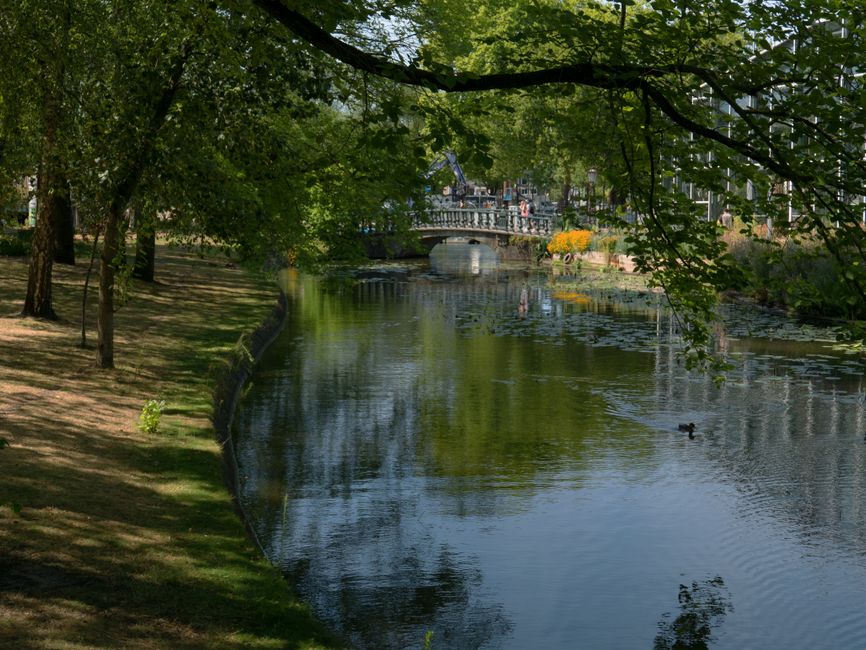
For work style: Oost suits you if you prefer calm mornings, longer walks between calls, and a neighbourhood vibe that feels more local than tourist. It’s also a solid area for days when you need productivity—home can feel quieter, while the cafés are still close.
Transit is good but slightly less “instant” than the truly central areas: you’ll typically be able to reach major hubs within 15–25 minutes by tram/metro, depending on where exactly you stay.
Stay-cost range (typical short-stay): about €2,200–€3,200/month for an apartment/studio.
Good to know: For quieter nights, choose streets that are not directly next to the most popular nightlife clusters or tram choke points.
4. Rivierenbuurt – stylish calm near canals and parks
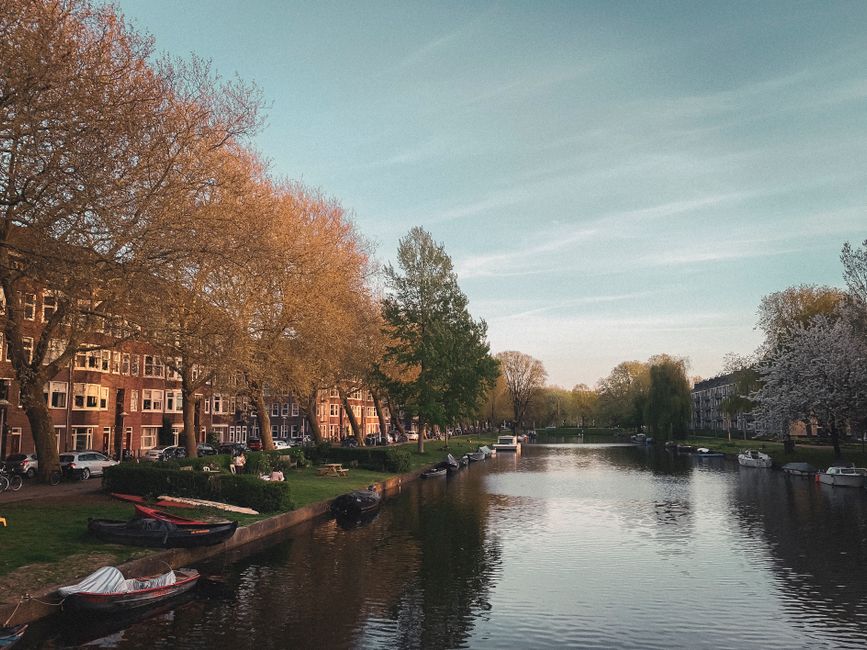
This neighbourhood fits people who want structure: work from home early, take breaks outside, and keep nights quiet. If you’re doing deep-focus tasks, Rivierenbuurt tends to make it easier to maintain a routine.
Transit is strong because it connects you well to the tram network and to the broader Zuid area. Getting to Amsterdam Centraal is usually manageable without complicated transfers.
Stay-cost range (typical short-stay): about €2,600–€4,000/month for a studio/apartment.
Good to know: If you plan to use taxis or ride-hailing at night, check pickup access on your street—some residential lanes are a bit tighter.
5. Watergraafsmeer – practical, local, and often quieter
Watergraafsmeer is a practical remote-work neighbourhood: lots of daily life, fewer crowds, and a calmer feel at night. It’s not as “famous” as some areas, which is part of the appeal if you’re tired of the constant stream of visitors.
Cafés are present but more “everyday local” than trend-driven. That’s good if you want to work with fewer distractions and don’t need a new spot every day to stay motivated.
Transit is reliable for city travel. You’re usually within a short tram ride of major areas, and it’s straightforward to get to the business side of the city.
Stay-cost range (typical short-stay): about €2,200–€3,300/month for a studio/apartment.
Good to know: If you’ll be on video calls, bring a plan for quiet—waterfront wind and street noise vary a lot by building orientation.
6. Amsterdam Noord (NDSM / Buiksloterham side) – creative energy with breathing room
Noord is where you get a more open, “over-the-water” feel. Around the NDSM and Buiksloterham areas you’ll often find a creative vibe by day, while the neighbourhood can still calm down at night if you’re not right on the most popular streets.
For remote work, Noord works well if you like changing scenery: home in a quieter zone, then cafés or co-working-type spaces when you want people around you. The city feels big here, and that can help you mentally reset between tasks.
Transit is good but has a different rhythm: you’ll rely on the ferry and tram/metro connections depending on where you are. In practice, Central Station is still reachable in a reasonable time, just plan your route slightly more than in the absolute centre.
Stay-cost range (typical short-stay): about €2,300–€3,500/month for a studio/apartment.
Good to know: When choosing a place, check how far you are from the ferry/tram points—walk time matters more in Noord than in many central areas.
7. Buitenveldert & Zuidas edge – calm near the business district
If your work involves meetings in the Zuidas area, Buitenveldert and the Zuidas edge can be a smart compromise: you’re close enough for quick transit, but you can still find calmer residential streets for sleeping well.
This is one of the best choices for a “home base with commute” rhythm. Many remote workers like it because cafés and daily services are easy to reach, while the night atmosphere is generally less intense than in the canal-belt core.
Transit is a strong point. You can usually reach Amsterdam Centraal and most parts of the city without a complicated route, especially if you live near a main station/tram connection.
Stay-cost range (typical short-stay): about €2,600–€4,200/month for a studio/apartment.
Good to know: If your main goal is quiet nights, prioritise streets that back away from the busiest roads around Zuidas.
Final tips
- Choose your “quiet zone” first. Even in good neighbourhoods, one street can be the difference between restful and restless nights.
- For cafés, aim for convenience over novelty: being able to walk 5–10 minutes is what makes remote work sustainable.
- Before committing to a rental, spend 15–20 minutes checking the building’s surroundings in the evening (noise patterns often show up then).
- If you’re using Booking.com to find furnished stays, filter for places that specify elevator access and clear street orientation—these details reduce daily friction for remote work.