
If you’re visiting Amsterdam and you’re watching the budget, you’ll want to spend on experiences that feel Amsterdam-specific (canals, neighbourhoods, people-watching) and skip the pricey “must-dos” that aren’t worth it.
We chose the picks below based on what locals actually do: free outdoor time, cheap snack-and-market meals, and public ferries that cost nothing. We’ll also be honest about what’s usually paid (because Amsterdam can be expensive fast), so you can decide what’s worth booking.
15 Budget Picks in Amsterdam (Free, Cheap, and Worth It)
1. Begijnhof – Courtyard calm behind the centre
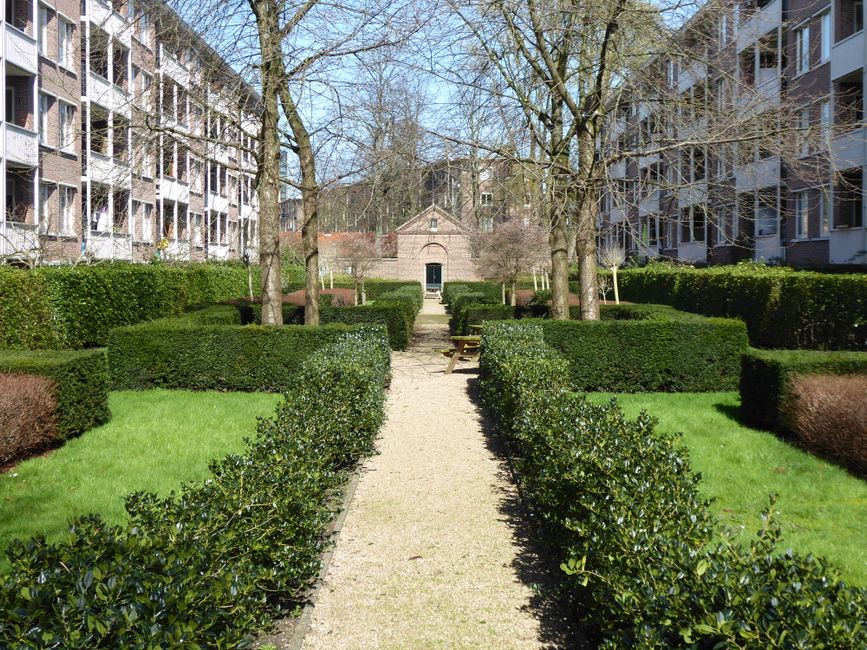
Tucked off the busy streets, Begijnhof is one of the best “quiet Amsterdam” breaks you can do for free. It’s a protected inner courtyard with historic buildings and a peaceful, almost residential feel.
Go early in the morning or later in the afternoon when the crowds thin out. Pair it with a walk around nearby streets (Spui area to the canal belt) so you get a whole mini-route without paying for anything.
Good to know: Be respectful—this is a living historical site, and photography rules may be posted.
2. Vondelpark – Picnic, people-watching, and long walks
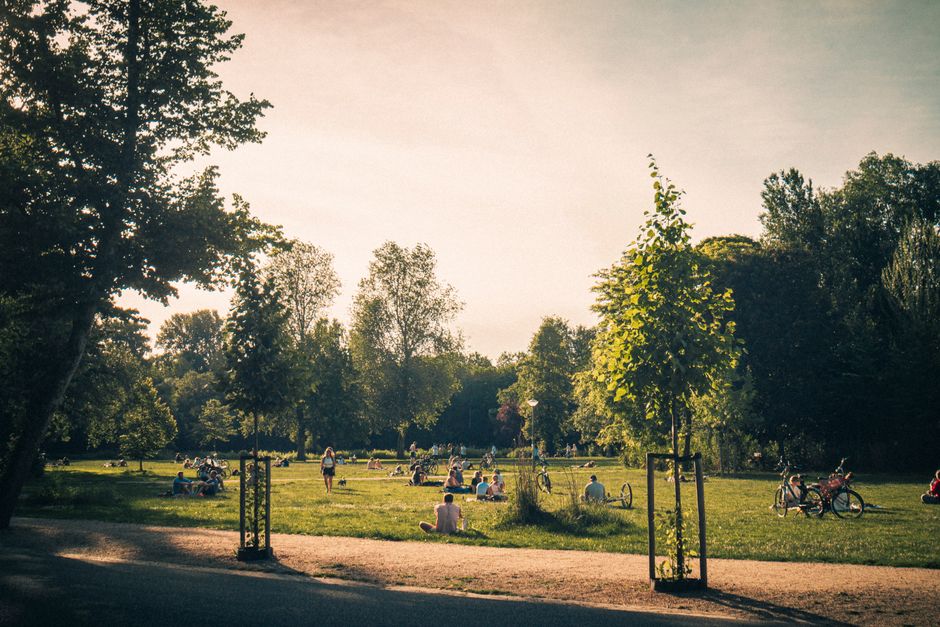
If you only do one free park in Amsterdam, make it Vondelpark. It’s where you’ll see locals run, cycle, and take borrel-style snacks out on the grass.
Bring a simple picnic (or buy something cheaper at a nearby bakery/market) and do a loop walk—water, trees, and open paths all in one place.
Good to know: In warmer months it gets busy; aim for weekdays or earlier hours.
3. De Negen Straatjes – The Nine Streets, for free wandering
De Negen Straatjes (the Nine Streets) is perfect for a budget day that still feels special. You can window-shop your way through canalside streets with boutiques, small concept stores, and lots of photo-friendly corners.
It’s not a “sit-and-do” attraction, so keep it flexible: coffee break when you want it, museum-free exploration when you don’t.
Good to know: Lots of small shops—don’t plan around one “must-buy”; treat it like a neighbourhood stroll.
4. Magere Brug (Skinny Bridge) – Classic canal views, no ticket
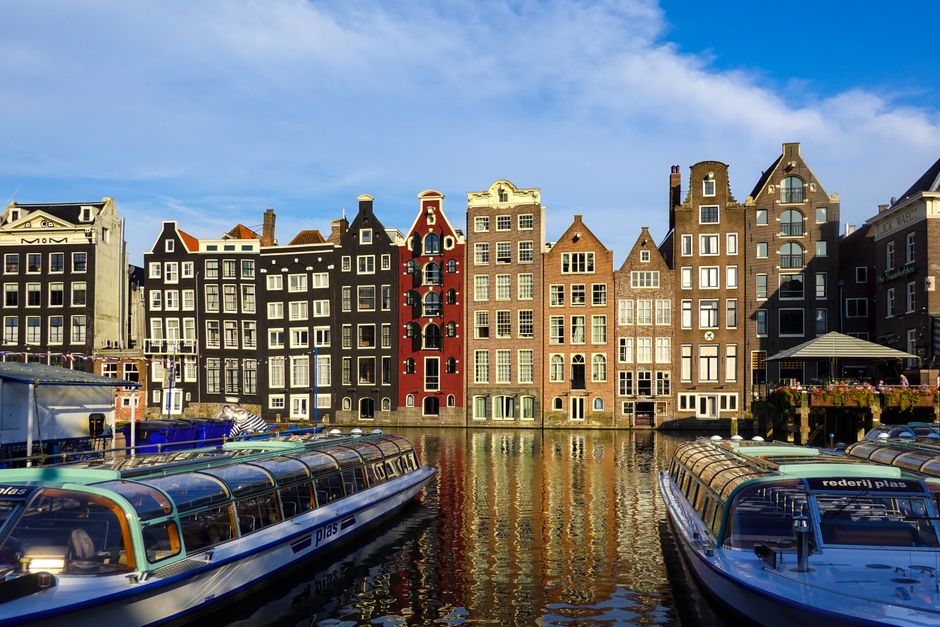
For free views that look like postcards, walk to Magere Brug and the surrounding canal edges. The bridge and the canal reflections are especially good at dusk.
You don’t need a boat tour to enjoy the canal vibe—just pick a bridge spot and spend 20–40 minutes people-watching.
Good to know: If you want the best light, aim for late afternoon rather than midday.
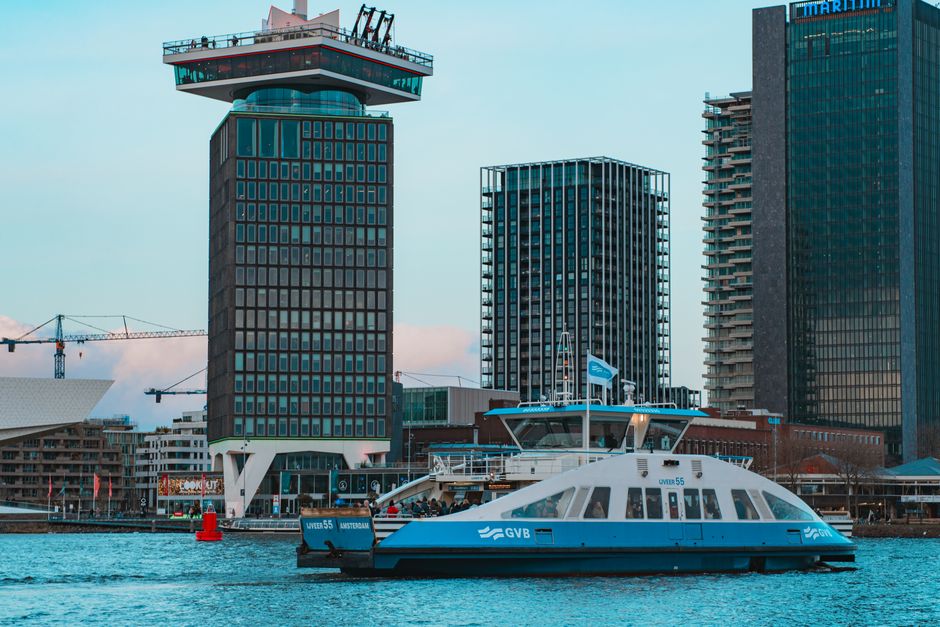
5. Free GVB ferry to Amsterdam Noord – Cross the IJ for nothing
Amsterdam has free ferries run by GVB across the IJ (the waterway). One of the easiest budget wins is riding from the central area toward Amsterdam Noord.
This works as both transport and sightseeing: you get city views from the water without paying for a canal cruise.
Good to know: Check the ferry route signage at the dock so you’re on the correct direction (it’s usually straightforward).
6. Free ferry ride to NDSM Wharf (Noord) – Street art, warehouses, and air
If you like the “industrial Noord” vibe, use the free ferry ride toward NDSM Wharf. You’ll see big structures, creative spaces, and a more alternative Amsterdam feel.
It’s a good choice when you want a long walk but don’t want to pay for attractions—pair it with a meal at a market or food hall on the Noord side.
Good to know: Wear comfortable shoes; the area is walkable but not always smooth underfoot.
7. Museumplein grounds – Museum district vibes without museum tickets
Museumpand photos are great, but the tickets can add up. Instead, spend time on the Museumplein lawns and the public areas around the Rijksmuseum and Van Gogh Museum.
You still get the “big Amsterdam museums” atmosphere, without committing to timed entry or paid galleries.
Good to know: Many of the best viewpoints are accessible around the edges—walk a little beyond the main photo spots.
8. Bloemenmarkt – Floating flower market (browse, don’t overspend)
Bloemenmarkt is a colourful, iconic stop that doesn’t require buying anything. It’s a fun “Amsterdam postcard” moment even if you’re not shopping.
For budget travellers, use it as a stroll stop: quick browse, take photos, then move on to something that feeds you for less money.
Good to know: Prices for souvenirs vary a lot—if you don’t feel the value, just walk on.
9. Albert Cuyp Market – Affordable eats + everyday Dutch life
Albert Cuyp Market in De Pijp is one of the best places to eat without turning your day into a spend-heavy outing. You’ll find many stalls selling snacks, ready-to-eat bites, and simple meals.
Go hungry and treat it like a food crawl: pick 1–2 items rather than everything at once.
Good to know: Some vendors prefer cashless payment, but bringing a bit of cash can still help for smaller stalls.
10. Waterlooplein Flea Market – Thrift browsing and budget shopping
Waterlooplein is a classic flea market area. Even if you don’t buy anything, it’s a good budget way to spend an hour or two watching how Amsterdam shops work.
If you do buy souvenirs, set a limit before you start browsing—so you don’t accidentally turn “window shopping” into an expensive bag.
Good to know: Bargaining culture varies by stall; focus on fair prices rather than aggressive haggling.
11. Foodhallen – One place, many cheaper bites
Foodhallen is a practical budget stop because you can choose from lots of vendors under one roof. It’s a lot easier to control your spend when you can compare options quickly.
For cheap-and-filling meals, look for the vendors selling fries, sandwiches, pancakes, or one-pot comfort food styles (instead of “sit-down tasting” plates).
Good to know: It’s busy at peak hours—if you can, go a bit later to avoid the rush.
12. FEBO – Dutch fries and fast snack-bar fuel
FEBO is the kind of Amsterdam snack bar that’s built for budget travellers: you get quick fries and classic Dutch snacks without the “tourist menu” feeling.
Order like locals: fries plus one of the familiar toppings/snack options. It’s filling, fast, and easy to eat on the go while you keep walking.
Good to know: Look for the snack combinations you recognise—this is one of those places where simple choices win.
13. Van Dobben – Stroopwafels without making it complicated
If you want a classic Dutch sweet, stroopwafels are a good budget option, and Van Dobben is a well-known name. It’s an easy “grab-and-go” treat between neighbourhood walks.
Don’t overbuy: one or two stroopwafels for the day is usually enough, and you’ll still get the local-food experience.
Good to know: Stroopwafels are best at the right “fresh” moment—ask how they’re handling freshness at the stall.
14. Albert Heijn – Supermarket picnic strategy
For serious budget control, buy picnic ingredients and build your own meals. Albert Heijn is the simplest approach because it’s easy to find and offers lots of grab-and-go options.
Think: bread, something spreadable, fruit, and a drink. It turns a costly day into a predictable one.
Good to know: If you’re staying central, you’ll still spend less by shopping for one meal rather than eating out every time.
15. De Wallen (Red Light District) – Free streets, just respect the rules
De Wallen is one of the most talked-about areas in Amsterdam, and you can experience it without spending anything. Walk the streets by daylight, stay on public paths, and keep your expectations realistic.
Treat it as a neighbourhood walk, not an “activity”. The main cost trap is paying for guided tours or nightlife add-ons you didn’t plan.
Good to know: Photography and behaviour rules are enforced in some spots—watch signage and don’t block entrances.
When to go (and when to book)
When prices usually calm down
Aim for shoulder seasons when weather is decent but crowds are lower. The most expensive periods tend to be summer peak and big holiday weeks. If your dates are flexible, that flexibility usually matters more than “which hotel neighbourhood.”
What to book early (and what can wait)
Book ahead if your trip depends on timed entries: the most famous museums and popular house tours tend to sell out. For everything else, you can often keep it flexible—free walks, markets, neighbourhood exploring, and spontaneous “snack-to-snack” days.
For staying options, we’ve used Booking.com for finding places that fit your budget and are close to public transport, then double-checked neighbourhood vibe on foot.
Good to know: If you’re going for a must-do paid attraction, try to lock it in early and spend the rest of the days free.
City card maths (so you don’t waste money)
How to do the break-even check
Make a simple list before you buy anything:
- Which paid museums or attractions are you genuinely going to visit?
- How many days are you in the city?
- Will you use public transport a lot (trams/metro), or will you walk most of the time?
Then compare that expected spend to the cost of the card. If you’re only doing one or two paid venues, it’s usually safer to pay as you go and keep your free days truly free.
The honest truth
The card isn’t magic for free sights like canals, parks, and markets. It mainly helps when you’ll stack multiple paid attractions in a short window.
Good to know: Put your “paid list” on paper first—your budget card decision becomes obvious fast.
Cheap eats plan (beyond fries and snacks)
The low-cost rhythm locals use
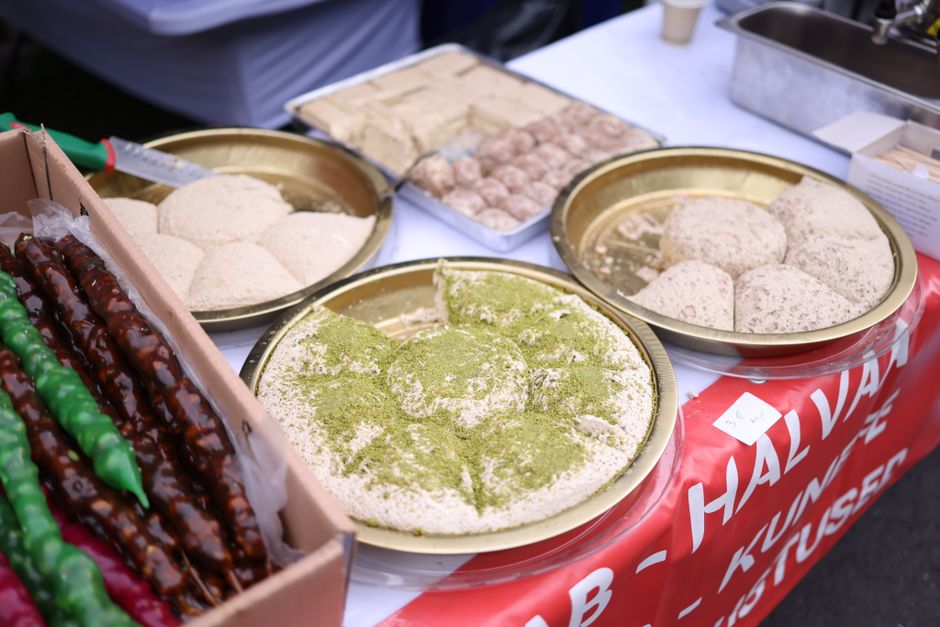
- Breakfast or quick lunch: supermarket or bakery-style pick-ups.
- Midday snack: a snack bar, market bite, or market fruit.
- One “proper meal” a day: Foodhallen or a casual sit-down where you control what you order.
This rhythm keeps your average spend stable, and it makes your trip feel normal rather than stressful.
What to avoid when you’re counting euros
Tourist menus and long “experience bundles” where you don’t care about every item. If you don’t really want the canal cruise, skip it—because the budget money will disappear into bundles quickly.
Good to know: If the menu is very “English-first” and feels generic, that’s often where costs drift upward.
Getting around on a budget
Transport costs are easy to underestimate. Amsterdam is walkable, but not for every day—especially if you’re doing Noord, or you have museums on the edges.
Walk when you can, transit when you must
A good strategy is “walk for neighbourhoods, transit to cross the city.” When you’re staying central, you can walk much more than you think.
Use the free ferry rides across the IJ when they fit your route. They’re one of the rare genuinely budget-friendly ways to move while still sightseeing.
Keep an eye on paid transport add-ons
If you’re taking trams and metros all day, you’ll want to bundle transport tickets in the way that matches your schedule. But don’t buy for a full day if you’re only doing short hops between nearby streets.
Good to know: Map your day route first. If your plan is a straight line, you usually spend less on transport.
What costs money in Amsterdam (so you can plan)
Amsterdam can be budget-friendly for free sightseeing, but certain things reliably cost.
The biggest paid-ticket categories
- Timed museum entry and “headline” attractions.
- Guided canal cruises and private tours.
- Popular day trips outside the city.
- Hotels in the most central areas during peak dates.
The “hidden” budget drains
- Eating out every meal (even casual places add up).
- Paying for multiple paid experiences on the same day.
- Waiting too long to book must-dos, which can push you toward more expensive options.
Good to know: The cheapest day is usually the one that mixes free outdoor time with one planned paid attraction.
Final tips
- Build your days around free walking areas and markets, then choose just 1 paid highlight.
- Use free ferries across the IJ as transport and sightseeing.
- Do city card maths only after you’ve listed your real paid priorities.
- If you want to control costs fast: supermarket picnic for one meal beats “saving” by buying the cheapest restaurant meal.