


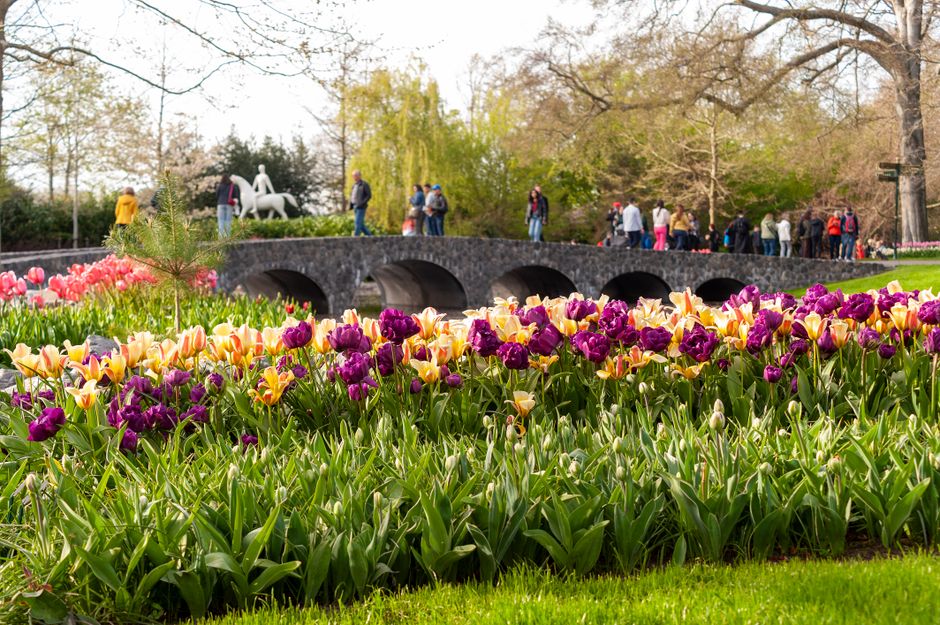
If you want the tulips at their most colourful, plan a visit to Keukenhof in mid-April to early May. That’s usually when the park transitions from “pretty” to “wow” — with more flowers opened across the grounds.
But Keukenhof isn’t a fixed-date show: the tulip peak shifts with weather. In this guide we’ll help you read the bloom timing, pick the best day and time to avoid crowds, and get there easily from Amsterdam or Leiden.
Keukenhof’s bloom timing: when tulips peak

The usual “peak window”
Keukenhof’s opening season runs for roughly two months in spring (the exact dates change every year), and the biggest bloom typically happens somewhere in the middle-to-late part of that window. In most years, that means mid-April to early May.
If you’re chasing the maximum number of fully open tulips, aim for the week after the first major bloom — not the very first week.
Why the peak moves (and how to follow it)
Tulips don’t care about your itinerary. A cool spring can delay the peak; a warm spell can speed it up.
To plan smarter, check the official Keukenhof “tulip forecast” (and their updates on what’s currently in bloom). The goal is to visit when the park is trending toward full colour — not when it’s still ramping up or already starting to fade.
How to choose a week if you can’t be flexible
If you can pick only one period, go for mid-week in late April. You’ll usually balance “many blooms” with slightly less crowd pressure than weekends.
If you’re a bit flexible, use the forecast: when you see the park trending upward, book your day for 24–72 hours after the forecast suggests the peak is approaching.
Opening season: how long you have (and what changes)
Typical season length and what to expect
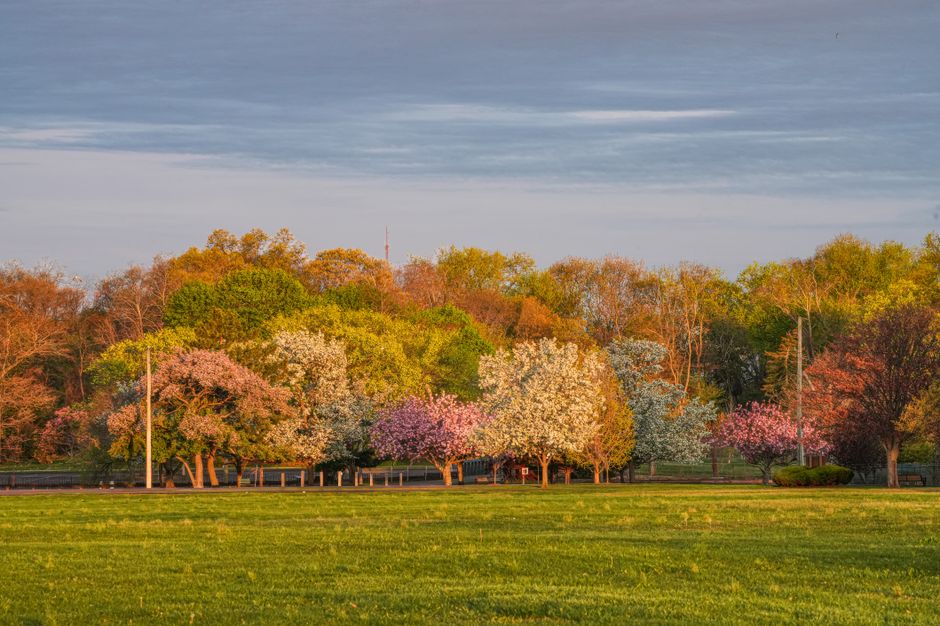
Keukenhof is a seasonal park, so you’re always working with a spring window. Even though the dates change yearly, the pattern is consistent:
- Early season: lots of buds and early colour, some beds not fully in.
- Prime season: the most complete displays across the grounds.
- Late season: still very pretty, but expect more fading and fewer fully open flowers.
What “late” still gets you
Don’t write off later visits. If you miss peak tulip density, you can still have a great day: you’ll get strong colours in the areas that are holding up well, plus a calmer atmosphere (especially on weekdays).
When to go to avoid crowds (without sacrificing peak flowers)
Best days: weekdays over weekends
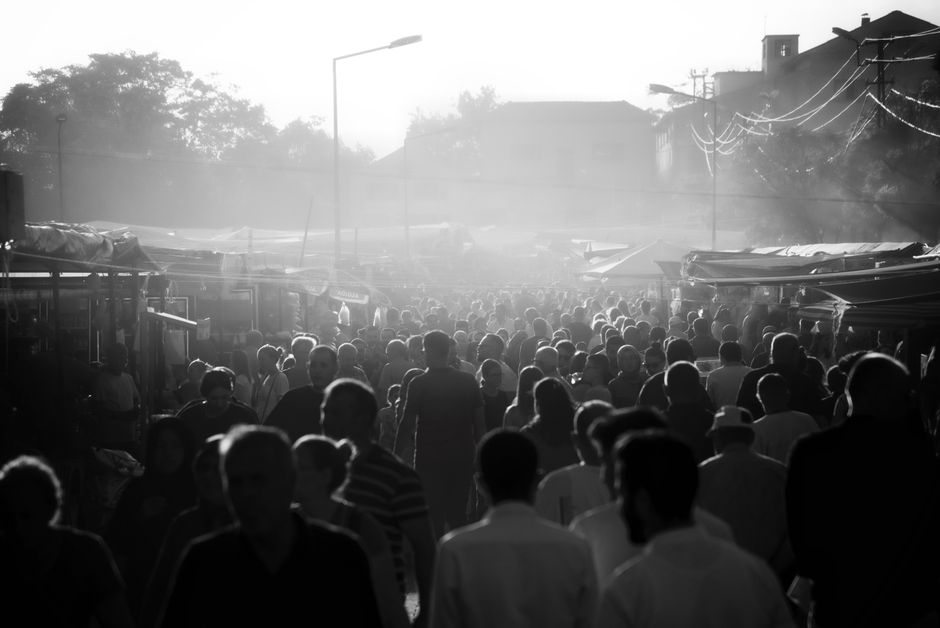
Keukenhof is popular with families, photographers, and tour groups, so weekends are busiest.
If your schedule allows it, pick Tuesday to Thursday. You’ll usually find it easier to move through the main paths, get steadier photo lighting, and enjoy the garden at a slower pace.
Best time of day: early or late
For the most comfortable walk:
- Go in the morning if you want calmer paths and better chances of fewer queues.
- Go late in the afternoon if you prefer softer light and you don’t mind some areas being more crowded closer to closing.
What to avoid is the mid-day rush, especially on sunny days when everyone decides to go at the same time.
Plan around school holidays
In the Netherlands (and neighbouring countries), school breaks can noticeably increase crowds. Even if you aim for a weekday, a public holiday week can feel like a weekend.
If you’re travelling during spring holidays, prioritise early morning entry and consider a slightly later date (after the first wave).
Photography tips that also reduce stress
You don’t need to sprint across the park. A practical approach:
- Start with the main highlights early.
- Then do the smaller corners later, when the busiest flow has moved on.
- Expect that the most iconic beds attract the longest waits for the “perfect” angle.
Getting there from Amsterdam and Leiden (the easy way)
From Amsterdam: train + bus/shuttle
The easiest route usually looks like this: train from Amsterdam toward Leiden (or the nearby Schiphol area), then a bus connection toward Keukenhof.
Total travel time is commonly around 45–75 minutes door-to-door, depending on how well the connection times line up and whether you arrive right at peak hours.
From Leiden: simpler connections
If you’re starting in Leiden, you’re closer to the Lisse area. The typical plan is train within the Netherlands (if needed) + a direct bus connection toward Keukenhof.
This option often feels more relaxed because the “last mile” is shorter.
Tickets & timed entry
Keukenhof commonly works with timed entry, and that’s part of why going at the right time matters. To avoid last-minute stress, we recommend sorting your tickets early; one tool we personally use for planning dates and entry times is Tiqets.
Parking (if you’re driving)
Driving can be convenient, but spring weekends fill up quickly. If you’re planning to park, arrive earlier than you think you need to, and keep some buffer time for traffic and queues.
Practical planning: weather, clothing, and what to pack
Spring weather is changeable
In March and April you can still get cool, windy days. May is often milder, but you can still run into a quick shower.
Bring layers you can adjust quickly. A thin rain jacket is more useful than a bulky coat because the weather can shift hour by hour.
Comfortable shoes matter
Keukenhof is a walking day. Paths are mostly straightforward, but you’ll cover a lot of ground. Choose shoes you’re comfortable in for uneven ground and long stretches.
What’s the “best” time for tulip colour in specific weather?
- On bright, dry days you’ll get crisp colour and clear photos.
- After a mild rain, colours can look even richer — but expect damp grass and slightly slippery paths.
If the forecast shows rain, don’t automatically cancel. Instead, plan for earlier in the day so you still get good visibility before the weather shifts.
Final tips
- If you want peak tulips, aim for mid-April to early May, and rely on the official tulip forecast for the exact timing.
- Choose mid-week and early morning for the best balance of blooms and comfort.
- When planning travel from Amsterdam, build your day around the train + bus connection so you’re not stuck waiting.
- Pack layers and comfortable shoes — spring weather and long walks are the real “what to expect.”