

If you’re planning a beach day from Amsterdam, going by train is usually the easiest (and often the fastest) option. We focused on places where you can get off at a station, walk straight to the strand (beach), and still have a rain plan if the weather turns.
We picked these coast stops based on how practical they are as day trips: clear train routes from Amsterdam Centraal, good beach infrastructure, and enough food options on arrival (from haring stands to Dutch fries) to make the trip feel complete.
As a rule for the Dutch coast: in summer (May–September) it’s about timing. Go early for the first beach block, or go later for the calmer vibe. For wind/rain, always build in a “pavilion stop” (strandpaviljoen) and a short inland detour.
1. Zandvoort aan Zee – dunes + classic beach promenades

Beach-season timing: aim to leave Amsterdam between 09:00 and 10:30 so you arrive mid-morning, when the sand is easy to claim and the cafes are already serving. In the afternoon, the beach gets more breezy (good for watching kite surfers), but you’ll still find a spot.
What to eat on arrival: look for Dutch seafood snacks and seasonal fish stands along the promenade. Order a broodje haring (herring sandwich) if you like it tangy, or go for kibbeling (fried fish bites) with curry ketchup. And yes—Dutch fries (friet) with mayo are part of the ritual.
Wind/rain planning: Zandvoort’s dunes help, but the North Sea can whip up quickly. If you see heavy rain approaching, don’t fight it—duck into a beach pavilion, then walk back out when the showers pass.
Good to know: If you’re sensitive to wind, keep your plan flexible and go for a longer lunch inside a cafe near the station, not just right on the sand.
2. Bloemendaal aan Zee – calmer dunes, smart beach pavilions

Beach-season timing: aim for arrival between 10:00 and 12:00. This gives you time for a dune walk before lunch, and it helps you avoid the “everyone arrives at the same time” feeling.
What to eat on arrival: this area is great for a proper seafood-style lunch. Choose kibbeling or a simple fish sandwich if you want fast, then add fries for the classic Dutch snack combo—especially if the wind makes you crave something warm.
Wind/rain planning: Bloemendaal is more about the dunes and the promenade, so you’ll feel the wind even if the beach looks “quiet.” For rain, plan a pavilions-first route: start with lunch inside, then take a shorter seaside walk once it clears.
Good to know: Wear shoes you can walk in on sand paths—dune terrain is more uneven than it looks.
3. IJmuiden – harbour energy + beach walks

Beach-season timing: if you want the classic seaside feel without too much planning, leave Amsterdam between 08:30 and 10:00 and plan to be at the sand by late morning. You’ll get a smoother morning flow for photos and food.
What to eat on arrival: IJmuiden is a strong spot for fishy snacks. Look for haring (herring) and seafood frituur (fried-food stands) near the most popular beachfront lanes. Pair it with Dutch fries—friet with mayonnaise is the dependable option when you want something quick.
Wind/rain planning: IJmuiden can feel very “open sea.” If it’s windy, the beach is still enjoyable—bring a windproof layer—but keep your shelter option close. A beach pavilion or nearby cafe is ideal for short resets between showers.
Good to know: Don’t overpack. Bring layers and a small bag for wet clothes—wind gusts can mean sand sticks to everything.
4. Castricum aan Zee – dunes for a more relaxed day
Beach-season timing: go in the morning if you want a long stretch of sand to walk. Leave Amsterdam roughly between 09:00 and 11:00 to arrive with enough daylight to enjoy both the beach and a short inland stroll.
What to eat on arrival: you’ll find the usual Dutch coast lineup—fried fish bites, fries, and simple snacks. If you see a seafood stand, go for kibbeling or a fish sandwich and then grab fries to share.
Wind/rain planning: Castricum’s dune landscape makes it easy to find sheltered angles. In light rain, you can still walk—just slow down and avoid the wet, slippery paths. For heavier rain, pivot toward nearby cafes in town.
Good to know: If you travel with kids or a stroller, check your route from the station to the dunes—some paths get sandy quickly.
5. Egmond aan Zee – a classic North Holland beach town
Egmond aan Zee is one of the most popular “beyond Amsterdam” beach towns for a reason. The train ride is usually around 1h20–1h45 (depending on connections), then you walk into the beach area.
Beach-season timing: leave Amsterdam between 09:30 and 11:00 so you arrive before lunch. This timing is especially good in peak months because you can eat before the busiest wave of afternoon visitors.
What to eat on arrival: Egmond is a great place to do the full Dutch snack set. Go for broodje haring if you’re in the mood for something traditional, or choose a seafood snack first (kibbeling or fish sandwich). Finish with Dutch fries—keep it simple with mayo, or add curry ketchup if you like spice.
Wind/rain planning: when the sea breeze is strong, the promenade can still be pleasant, but the sand is colder. If rain comes in, duck into a cafe and switch to a short museum/abbey-style detour inland before heading back.
Good to know: Pack a light towel or a small blanket—warm up fast after walking the dunes.
6. Noordwijk aan Zee – wide beach + easy “weather fallback” spots
Noordwijk is further down the coast, but it’s very doable as a train day. From Amsterdam, plan for roughly 2–2.5 hours by train (usually via The Hague/Rotterdam lines, depending on the timetable), then you’re in the beach area with a straightforward walk.
Beach-season timing: because it’s a longer ride, it’s worth leaving earlier—think 08:00–09:00 departure—so you don’t feel rushed when you arrive. In mid-summer, the earlier start also helps you beat the peak crowds.
What to eat on arrival: Noordwijk has plenty of beach-friendly eating. Look for seafood stands or simple haring-and-fries options, then order a portion of fries (friet) as your “safe pick” when the wind makes seafood feel less filling.
Wind/rain planning: Noordwijk is good for mixed weather because you can alternate beach time with an indoor stop. When the sky turns grey, plan a quick indoor visit (a museum or exhibition) and then return for the clearing sky.
Good to know: Bring sunscreen even on cloudy days—coastal wind doesn’t mean you won’t burn.
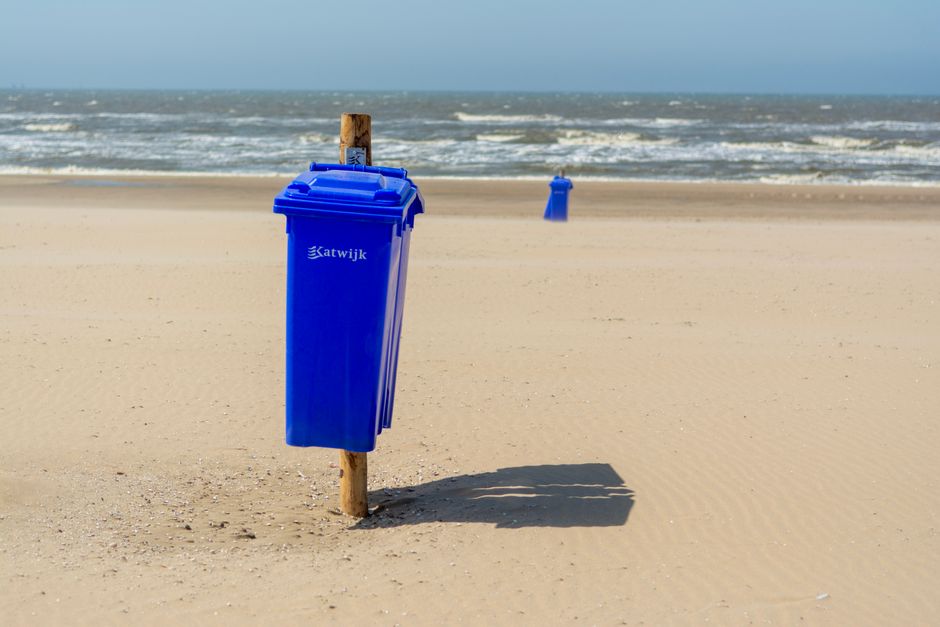
7. Katwijk aan Zee – hearty beach snacks and a good harbour feel
Katwijk aan Zee is another classic Zuid-Holland coastline stop. Expect about 2–2.5 hours by train from Amsterdam, with connections via The Hague area in most schedules.
Beach-season timing: aim to arrive around late morning. A comfortable plan is leaving Amsterdam between 08:30 and 10:00 so you still get a full beach block and a relaxed lunch.
What to eat on arrival: Katwijk is a strong choice for traditional Dutch coast snacks. Choose kibbeling or a fish sandwich first, then add fries—Dutch fries are the default shared snack for a reason. If you’re tempted by haring, look for a stand offering broodje haring and keep it to a small portion if you’re unsure.
Wind/rain planning: in coastal wind, walk the beach promenade rather than the widest sand areas. If you get caught in showers, head back toward the harbour/city streets for sheltered spots and warmer food.
Good to know: If you’re bringing a thermos, beach weather changes fast—hot drinks make the wind feel manageable.
8. Scheveningen – The Hague’s main beach (big atmosphere, easy day trip)
Scheveningen is the “big beach” option from Amsterdam and a well-known day-trip destination. The train is usually around 1h15–1h45, depending on connections, and you’ll end up near the beach/city core.
Beach-season timing: go early if you want beach time before crowds build. Leaving Amsterdam between 08:30 and 10:00 usually lands you with enough daylight for a proper promenade walk and a calm lunch.
What to eat on arrival: this is where you can comfortably do both seafood and fries in one day. Look for kibbeling and seafood snack counters, then get Dutch fries with mayo. If you want something more “sit-down but beachy,” aim for a harbourside or promenade cafe with seafood options.
Wind/rain planning: Scheveningen handles bad weather better than most smaller towns because there are more indoor things nearby. If rain hits, switch to a short indoor visit (for example, the aquarium area at Sea Life Scheveningen) and return for the next weather window.
Good to know: Keep your beach plan flexible—Scheveningen’s promenade makes it easy to move between beach and indoor stops.
9. Kijkduin – calmer than Scheveningen, still very beachy
Kijkduin is a quieter alternative to Scheveningen, and it’s perfect if you want the beach without the busiest crowds. Train time from Amsterdam is often similar to Scheveningen (around 1h15–1h45), then it’s a walk from the coast-facing area.
Beach-season timing: aim for late morning. Leaving Amsterdam around 09:00–10:30 gives you a relaxed arrival, a beach walk, and time for lunch before the evening light.
What to eat on arrival: expect straightforward coast food—fried snacks, seafood bites, and of course Dutch fries. If you see a seafood stand, try a small portion of something fried (kibbeling) and pair it with fries so you get a mix of textures.
Wind/rain planning: the dune and beach layout helps you find spots with less wind. If rain comes through, retreat quickly to sheltered areas near eateries, then return once the showers pass.
Good to know: Kijkduin rewards slow walking—plan for a longer promenade stroll instead of trying to “do everything” quickly.
Final tips
- For beach season (May–September), pick a morning arrival for the best sand time, and keep one indoor plan ready for wind or rain.
- Eat like a local: do a seafood snack or broodje haring, then add Dutch fries (friet) as your shared comfort food.
- Check the wind direction before you choose your beach spot—North Sea wind can change what feels pleasant within an hour.
- Pack layers, not just summer clothes. A light rain layer and a windproof top will save your day trip.