If you want to visit the Royal Concertgebouw Amsterdam without guesswork, this guide is for you. We’ll walk you through how tickets work, what to wear, and the best seat areas depending on whether you care most about sightlines or how “full” the sound feels.
We also explain what happens around intermission (so you don’t lose your place or your flow), and how locals plan pre-concert dining around Museumplein and De Concertgebouw neighborhood.
Tickets: how they work and when to book

What kind of tickets you’ll see
Concertgebouw tickets are usually sold for a specific performance, with seat categories that map to different areas in the hall (parterre/orchestra, balconies, and boxes/loges).
For some concert series, there can also be subscriptions (more relevant if you’re attending multiple concerts), but for most visitors it’s single-event tickets.
Where to buy (and why it matters)
Start with the official Concertgebouw ticketing channel first, because it’s the clearest on seat location and availability.
If a concert is sold out and you’re still determined to go, we sometimes check Tiqets for alternative availability that still matches the same performance date.
When to book
For popular programs (major orchestras, renowned soloists, and special anniversary concerts), the best seat categories can go quickly.
Rule of thumb: book as soon as you’ve decided which concert you want. If you’re flexible and mainly care about “good sound over perfect views,” you can sometimes find decent balcony seats later—but don’t count on last-minute availability for the most central sections.
How seat numbers usually translate to reality
When you look at seating charts, you’ll often see sections first (like parterre or balconies) and then row/seat numbers. The key thing to check is whether the section is centered or on a side angle.
Also remember: in a hall like this, acoustics can be excellent even when the view is slightly less “front row.” Don’t treat the best-looking seats as automatically the best-sounding ones.
Good to know: If your ticket shows multiple access points (entrances) or timings, follow those exactly—Concertgebouw visits can feel more efficient when you arrive during the recommended entry window instead of right at the last second.
Dress code: what to wear (and what locals actually do)

Smart casual is the safe baseline
In most classical concert settings at the Royal Concertgebouw, the dress code is best described as “smart.” That means you can usually arrive in an outfit that looks intentional and polished—think tailored trousers or a dress/skirt, a neat blouse, and a jacket if you want.
You don’t need a full formal look every single time, but extremely casual outfits (sportswear, very worn jeans, or beachwear) tend to stand out.
What to avoid for comfort and acoustics
The hall is designed for listening, so avoid anything that creates distractions: loud prints, big chains that clink as you move, or shoes you constantly adjust.
If you’re wearing a long coat, plan for cloakroom time (or carry something easier to store).
If you’re attending a more formal program
Some concerts feel more gala-like, and in those cases people dress up more. If the program is explicitly labeled as a special event, it’s a good idea to lean one step more formal than your usual smart-casual.
Good to know: Concertgebouw audiences often enjoy looking good, but what gets remembered is how you arrive ready to listen—so prioritize comfort (for sitting still) and a polished look.
Best seats at the Concertgebouw (views vs acoustics)
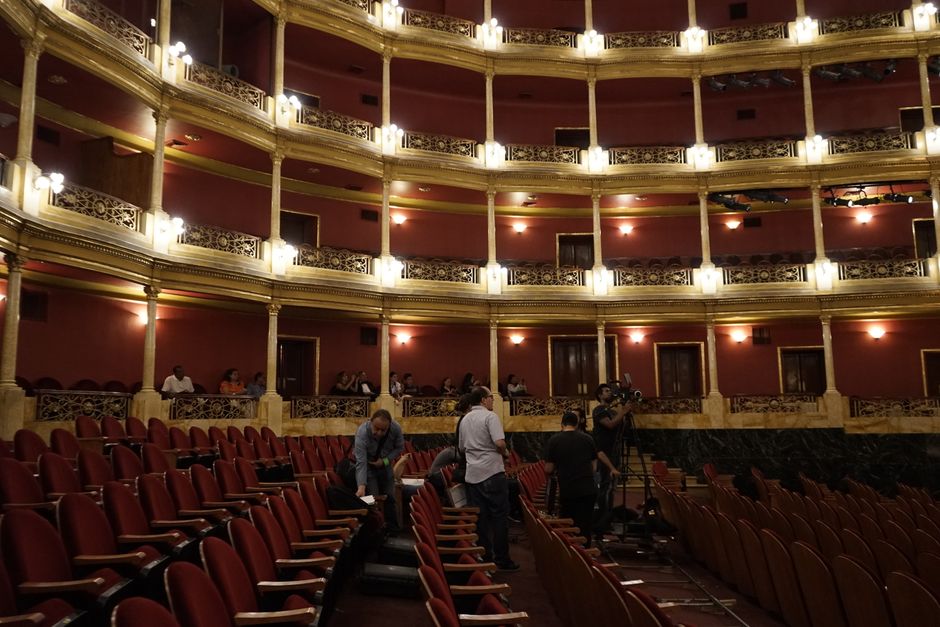
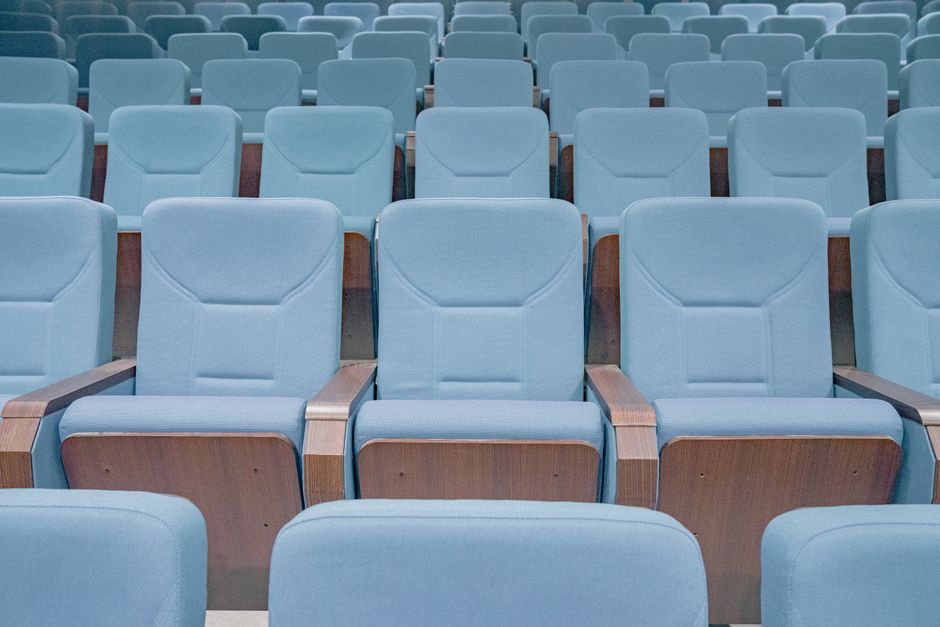
You’ll get the most satisfaction if you pick your seats based on your priority:
- If you want the best sightlines and “I can clearly see the conductor and soloists” feeling, choose the more centered parterre rows.
- If you want the most balanced, enveloping sound, balconies are often where the hall shines.
Below are seven practical seat choices you’ll recognize when booking. Use them like a checklist, not a rigid rule.
1. Parterre (Orchestra stalls) – Centered rows
If you sit centered in the parterre, you usually get the clearest view of the stage and conductor. The perspective makes it feel very direct—great if you enjoy following details like bowing, phrasing, and ensemble cues.
Acoustically, centered parterre is often strong and immediate. The sound can feel vivid rather than distant.
Good to know: Choose rows that aren’t too close if you’re sensitive to loudness—very front rows can feel “in-your-face” for big orchestral moments.
2. Parterre – Slightly further back (still centered)
Moving back within the parterre often improves the overall “blend” of the orchestra. Sightlines are still good, but the sound becomes a touch more spacious.
This is a sweet spot if you want both: a clear view and a more rounded acoustic picture across sections.
Good to know: If you’re choosing between “front-center” and “a few rows back,” go a bit back for a more comfortable listening experience.
3. Parterre – Side sections (left/right angles)
Side parterre can look visually great on certain instruments, but the stage view becomes more angled. That can still be enjoyable, especially if you’re focused on chamber-like details.
Acoustically, side seating can be excellent, but you may notice a different balance (some instruments can feel more prominent while others sit back slightly).
Good to know: If your priority is pure balance, avoid seats that look extremely oblique—aim for a “side” position that still feels mostly directed toward the center.
4. First balcony (Eerste Balkon) – Lower rows near the front
First balcony is a classic choice for many regulars. You’ll usually see the stage fully, and the hall tends to deliver a more natural orchestral blend.
This is often where acoustics feel both detailed and “complete.” If you care about hearing the texture—not just the volume—lower first balcony is a strong bet.
Good to know: If the ticketing chart offers “front” rows within first balcony, those are usually easier for following conductor cues.
5. First balcony (Eerste Balkon) – Middle rows (balanced choice)
Middle rows on the first balcony are a safe, no-drama option. The sound has time to bloom in the hall, and your listening perspective feels stable.
Views remain solid: you can usually take in the full stage rather than only a slice of it.
Good to know: If you’re going with someone who’s unsure about acoustics, middle first balcony is a good compromise.
6. Second balcony (Tweede Balkon) – Upper perspective with strong acoustics
Second balcony seating often gives you the “big picture” view of the whole orchestra. You may sit farther from the stage, but the acoustic blend can still be excellent.
This option is ideal if your main goal is immersive sound and you don’t need a close-up view of the soloist’s facial expressions.
Good to know: Choose a row that gives you comfortable sightlines over heads in front—balcony comfort matters more than many people expect.
7. Boxes / Loges (private seating areas)
Box seats can be very atmospheric. They’re typically great if you want a more intimate experience while still having a clear view.
The sound can be wonderful, but it can also feel slightly different depending on where the box faces. If you’re the type who listens for instrument separation and spatial effects, take time to select a box facing the center of the stage.
Good to know: Boxes can be excellent for attention and comfort, but remember you’ll likely have slightly more “seated stillness” expectations (it’s not always the most flexible spot for quick movement during intermission).
Before the concert: entry, cloakroom, and intermission

Arriving without stress
Aim to arrive early enough to get through entry checks, find your row, and settle. This is especially important on busy nights or during peak concert times.
If you’re new to the venue, arriving early helps you confirm your exact entrance and navigate to the correct balcony level.
Cloakroom and what to do with your bag
Most visitors use the cloakroom system (or storage options) for coats and larger bags. Don’t plan on carrying bulky items into the main seating area.
If you’re attending with a tote, keep essentials accessible so you’re not fumbling at your seat.
Intermission: timing, snacks, and your seat
Concertgebouw programs usually include at least one intermission for restroom breaks and a chance to refresh.
What’s consistent: don’t assume the duration—always check the printed program or announcements so you know when the music returns. Also, plan your movement. If you step out during the busiest minutes, you can come back to find your seat rows feel more crowded.
Good to know: Use intermission for the essentials (cloakroom, restroom, a quick drink), then return calmly. It’s the fastest way to keep the evening smooth.
Pre-concert dining near the Concertgebouw (easy local approach)
You don’t need a fancy plan, but you do want a practical one. Locals in Amsterdam often eat early or go for something relaxed (a borrel-style drink plus a simple bite) before culture.
Where to look nearby
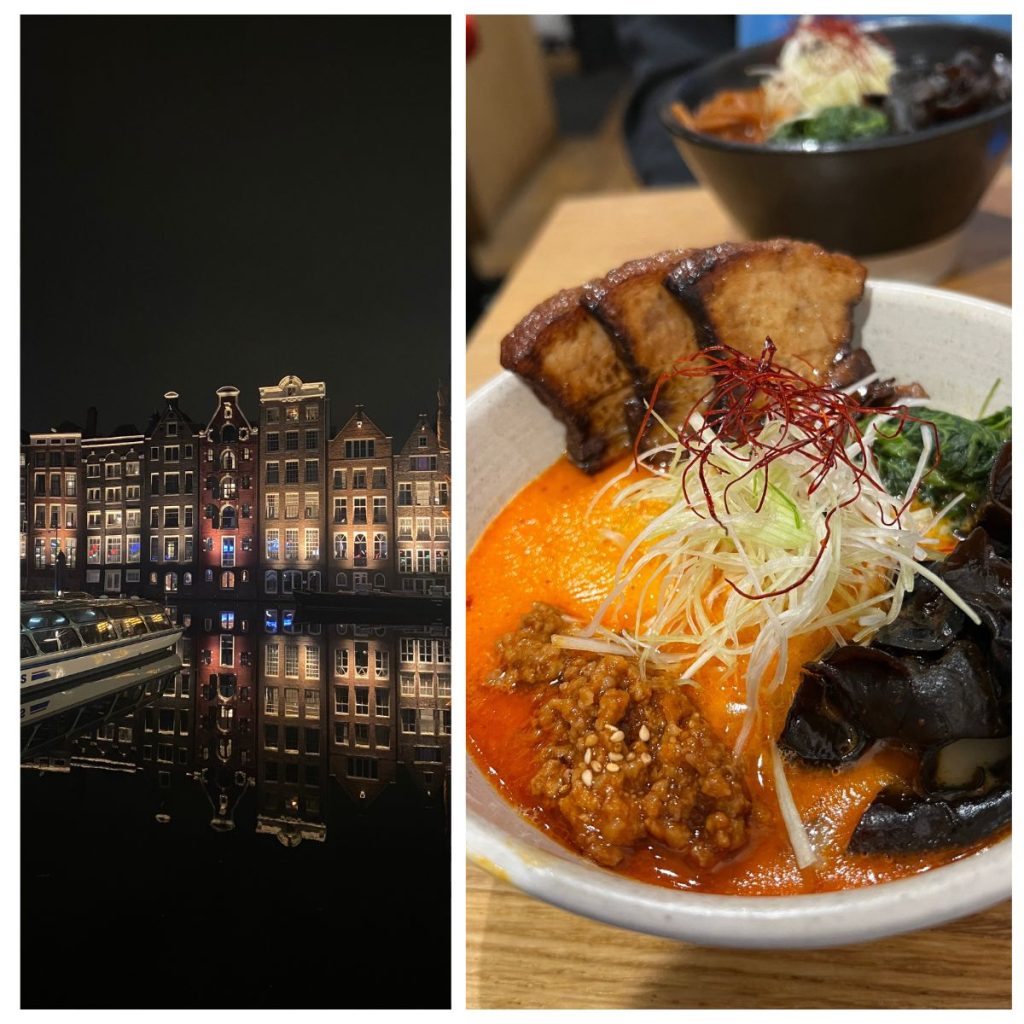
For pre-concert food, stick to areas that are walkable from the Concertgebouw: Museumplein and the streets around Cornelis Schuytstraat and Van Baerlestraat.
This gives you plenty of choice—ranging from cafés to more serious dinner spots—without needing transport.
When to eat
A common approach is to eat 60–90 minutes before the start time if you want a proper meal, or closer to 30–60 minutes if you prefer something lighter.
If you plan to do a sit-down dinner, choose a place that won’t rush you out at the exact moment the doors open.
Lighter options if you hate rushing
If you want minimal hassle, go for something that feels Amsterdam-classic: a quick shared starter, a main that doesn’t take long, and maybe one drink. Then you’re free to stroll to the hall.
Good to know: If you’re deciding on the last-minute between “dinner” and “just a snack,” prioritize a meal you can eat comfortably seated for a long concert—heavy, very spicy, or extremely filling meals can be less fun when you’re not moving for a while.
Final tips
- Pick your seats by priority: centered parterre for view, balconies for balanced acoustics.
- Book early for big-name concerts; don’t wait if you want the central sections.
- Dress smart and comfortable—aim for polished, not formal for everything.
- Plan pre-concert dining around a realistic walking route and a buffer before entry.