

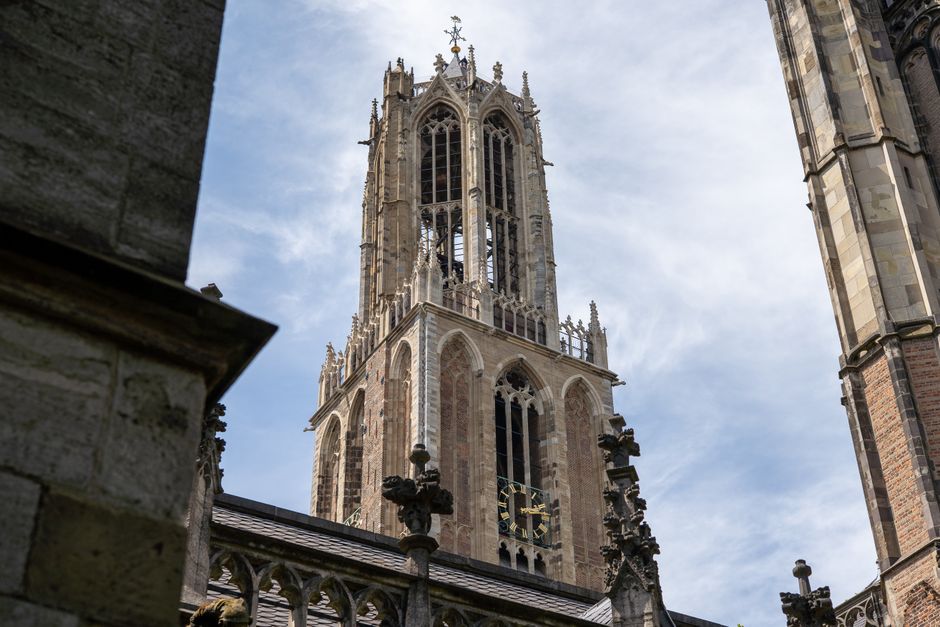
If you’re trying to figure out Dom Tower Utrecht tickets, entry times, and whether you should arrive early, this guide is for you. We’ll walk you through how timed entry generally works, how to choose the best slot, and what to expect during the climb.
We focus on practical things you can actually use on the day: when to show up for fewer lines, how to manage the narrow stairs, and tips for photos from the top.
Tickets & Timed Entry: How It Works

What “timed entry” means in practice
When you book a timed slot, you’re reserving your place for a particular start window (for example: late morning vs. early afternoon). At the door, staff check your ticket and let visitors start the climb when their slot opens.
Usually, this setup is designed so you can’t arrive hours early and jump the queue. If you arrive after your window, you may have to wait for the next available group (or you might not be able to climb at that time). That’s why timing matters.
Choosing a slot for fewer lines
In Utrecht, Dom Tower can get busy—especially on weekends, school holidays, and sunny days. For fewer lines, aim for:
- Early in the day (before the mid-day rush)
- Late afternoon (often calmer than peak midday)
- Weekdays if you can
If you only have one choice, don’t overthink it: pick a slot close to when you plan to be in the area, then arrive a bit early (more on that below). Trying to “beat the system” by arriving too far ahead is the kind of thing that backfires with timed entry.
When to arrive for the smoothest entry
A good rule of thumb with timed entry is to arrive 15–30 minutes before your slot. That gives you enough time for:
- finding the exact entrance/check-in point
- getting your ticket ready on your phone or print
- any short security or queueing process
Arriving much earlier can mean you’ll just have to wait outside or in a holding area. Arriving right at the beginning of your window is usually okay, but if you’re travelling from nearby by foot and you’re unsure how long it takes, give yourself extra buffer.
Good to know: If you’re visiting as a group, book the same timed slot for everyone—splitting across windows can add waiting time, especially on busy days.
Where to Book and What to Bring
Booking online vs. on the day
Online booking is best when:
- you want a specific time window
- you’re travelling on a weekend/holiday
- you’re visiting during popular sightseeing hours
If you’re the spontaneous type, you may still find availability on the day—but timed entries can sell out when demand is high.
One easy way locals use (and when it helps)
If you prefer a simple way to select timed slots online, Tiqets is a practical option—especially for planning your day around the climb.
What to bring for the climb
To make the climb more comfortable and photo-friendly, bring:
- Comfortable shoes with grip (the stairs are steep and can feel slippery)
- A light layer (the tower can feel cooler/windier near open viewing points)
- Water if you’re visiting in warm weather
Try to keep bags small. You’ll be moving through narrow stair sections where oversized backpacks can slow you down.
Good to know: If you have motion sickness or fatigue issues, consider how the combination of height + steep stairs might affect you.
Entry Times and Visiting Flow

What happens before you start climbing
Right before your start time, you’ll typically do some form of ticket scanning/verification. Then you’ll be directed into a queue or holding area based on your slot.
This is also when it helps to be ready:
- phone brightness turned down slightly (so your screen scan is quick)
- tickets accessible offline if you’re worried about connectivity
- shoes already on and laces tied
How long the climb takes (and why your slot matters)
The “total experience time” is longer than the uphill part, because you’ll likely encounter:
- slower pacing for some visitors on the stairs
- brief pauses at viewpoints
- time to head down safely
Even if you’re fast, plan for at least around an hour for the full round trip (climb + descent + stops), and a bit more if you want photos.
Because you have a start window, your slot should be chosen with the rest of your day in mind—if you’re hopping between museums or lunch reservations, you’ll want a buffer.
Going back down: don’t rush
Many people focus on reaching the top and then feel they “must” rush down. But the stairs are still steep going down, and it’s safer to move at a controlled pace.
If you’re sharing the stairs with other visitors, keep to your own rhythm—don’t stop suddenly mid-stairway to take a photo or to check your camera settings.
Good to know: If you see the stairway getting crowded, it’s totally okay to pause briefly at a wider spot and let people pass—this improves flow for everyone.
Climb Tips: Steps, Stairs, and Photo Spots

What the stairs are like
Expect:
- a steep, spiral-style staircase
- narrow sections where you’ll pass other visitors carefully
- a route where you’ll often be close to walls and railings
Because of the tight space, you may want to keep one hand free (unless you need both hands for balance). If you’re wearing bulky clothing or carrying a big camera rig, simplify it.
Pace strategy for less strain
A comfortable strategy is to climb in “chunks”:
- Start steady (don’t sprint in the first minutes)
- Take short pauses at natural points (where there’s space and you’re not blocking the flow)
- Keep breathing controlled—many visitors find it’s more about rhythm than raw effort
If you’re climbing with kids or someone who gets tired easily, build in more patience. The stairway’s narrowness means there’s less ability to pass.
Photo tips from the top (and along the way)
Photos are a big reason people climb, but the tower’s structure means you should think about them differently:
- Take photos when the stair flow allows it (avoid stopping mid-stairway)
- Use the viewpoint moments rather than photographing every few steps
- If you’re using a phone, wipe the lens before you reach the top—tower air can be a bit dry/dusty
At the top, you’ll have the best chance for wide views of Utrecht. In bright sun, consider holding your camera steady for a second to prevent blur.
Good to know: If you’re aiming for the best photos, an early or late slot often means fewer people at the viewing level.
Accessibility, Comfort, and Who Should Go
Dom Tower is a climb tower, so it’s important to be honest about who it works best for.
Mobility needs and whether you can “skip” parts
The climb involves stairs throughout, and there’s no practical “shortcut” to the top like you’d find in a lift-based viewpoint. If you use a wheelchair, have limited mobility, or rely on walkers, you may find the stair route difficult or unsafe.
If you’re unsure, the most reliable approach is to check the official accessibility information before you go and decide based on your comfort level. When in doubt, treat the climb as a goal for the visitors who can handle steep stairs.
Strollers, wheelchairs, and narrow stair sections
Strollers are usually a problem in narrow stairways because they take up space and can’t be easily managed in vertical sections. If you’re travelling with a stroller, you’ll likely need to leave it behind where allowed and carry your child (not always feasible).
Wheelchairs generally can’t be used on stair routes, so accessibility-friendly alternatives are worth considering if climbing isn’t an option.
Weather: wind and slippery steps
The tower experience can feel more exposed near viewpoints. On windy days, take photos carefully and hold onto railings.
In wet or cold weather, shoes matter even more. Choose footwear with grip and avoid slipping by moving slowly on the descent.
Good to know: If climbing isn’t suitable, you can still enjoy the area around Dom Tower—Utrecht’s city vibe around the cathedral square is great even without the stairs.
Final tips
- Arrive 15–30 minutes early for a timed entry slot so you’re calm, not rushed.
- Choose a slot that matches your energy: early/late often feels easier than peak midday.
- Wear grippy shoes and plan for a longer total visit than you think.
- Respect the stair flow: pause for photos only when you’re not blocking others.
