
Planning a museum day with kids aged 7–12 is all about pacing. The best spots keep them busy for 60–90 minutes, have clear “stop-and-go” areas, and offer easy toilets so you’re not losing time to long walks.
We chose these museums for three things: kid attention span (mostly interactive or visually strong), indoor time efficiency (you can do the highlights without doing the whole building), and restroom access. We also flag which places commonly use timed tickets, so you can reduce queuing.
For museums where you pick a time slot, we sometimes check Tiqets first to quickly see available timed-entry options.
1. NEMO Science Museum – Oosterdok / near Centraal

Go for the tech-and-body experiments and the big “wow” highlights (it’s a museum where kids want to touch everything). Plan around 90 minutes. If your kids get restless, split the visit: one section for experiments, then a break at a quieter floor.
Timed tickets are commonly used during busy periods—when you book, look for a specific entry time slot.
Getting there is easy from Amsterdam Centraal: it’s a straightforward walk across/along the water, or a short tram ride + a quick walk. Once you arrive, you’ll find toilets inside and generally close to the main public areas.
Good to know: Bring a small snack—NEMO’s layout makes it easy to do a mid-visit food break without losing your place.
2. Rijksmuseum – Museumplein

If you can, aim for a morning visit. You’ll usually get a calmer vibe and more patience for looking closely. Many families use kids-friendly routes or short scavenger-style activities rather than trying to read everything.
Timed tickets are commonly part of the ticketing flow. Check whether you need to choose an entry time when you book.
For the route, head to Museumplein: from Centraal you can take a tram toward the Museumplein area and then walk the last bit. Toilets are available in the museum (plan to use them before a long gallery stretch).
Good to know: Don’t overbook—pick 3 “must-sees” (e.g., a few major rooms) and call it a win after 60–90 minutes.
3. Van Gogh Museum – Museumplein
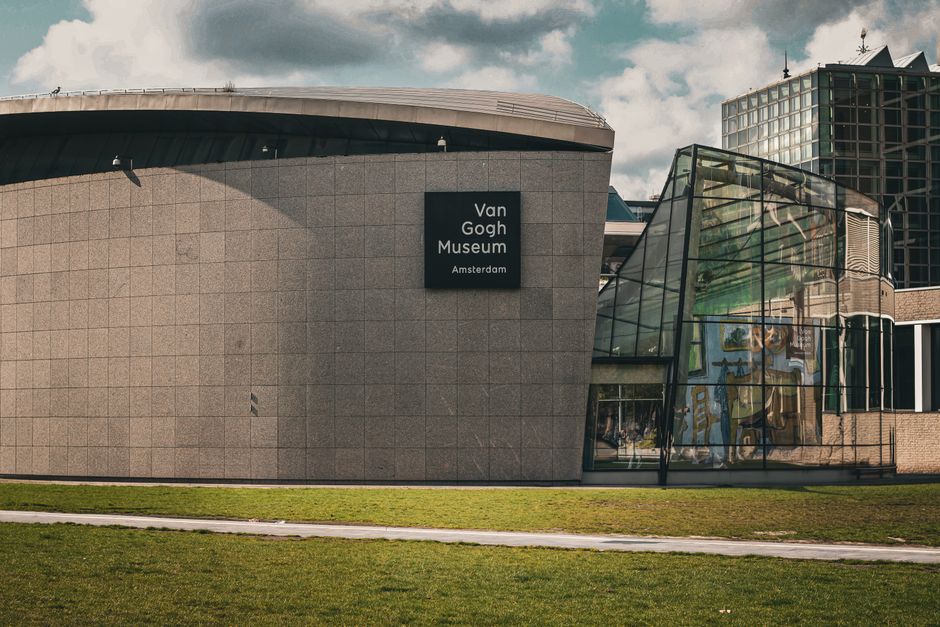
To keep it kid-friendly, focus on a short highlight route: a few iconic works, then the museum’s context spaces. Many families do a “look closely for 10 minutes, then move” rhythm.
Timed entry is commonly used—when you buy tickets, look for a selected timeslot option.
Getting there is simple via Museumplein trams from Centraal. Once inside, toilets are generally accessible and you can step out without disrupting your day too much.
Good to know: If your kids lose interest, shift to looking for colours and brushstrokes instead of trying to read every wall text.
4. Micropia – inside ARTIS (Plantage)

You’ll want at least 60–90 minutes. The best approach is to follow the interactive flow (hands-on stations) and stop for short “what is that?” moments. If your kids get a little too loud, you can always find a quieter corner for a breath before the next station.
Timed tickets are often part of the booking process, especially on popular days—check the Micropia ticket page for a timeslot.
For the route, go to the ARTIS/Plantage area. Tram options get you close, and the walk from the tram stop is manageable even with tired legs. Toilets are available inside the complex, and you’re not forced into long corridors.
Good to know: Micropia is sensory—if your kids dislike “gross-out” themes, preview the vibe and keep expectations realistic.
5. EYE Filmmuseum – Java / NDSM waterfront area
EYE is a smart choice for families because it combines film culture with interactive spaces. For kids 7–12, it’s usually more engaging than “just watching a museum video,” since the museum atmosphere feels playful and modern.
Plan around a simple combo: explore the interactive areas first, then pick a short screening or activity (when available) that matches your kids’ attention span. It’s a good museum for a rainy day, and it often feels like an experience rather than a checklist.
Timed tickets may apply on many days—check your booking for entry times or recommended start times.
Getting there from Centraal usually means a short trip by public transport plus a walk, and the waterfront location makes it easy to pair with a quick stroll. Toilets are inside the museum, and you can take breaks without leaving the building.
Good to know: Build in buffer time—film museums can run on schedules, and kids move faster than you think until they’re tired.
6. Tropenmuseum – Amsterdam East (Kunst & culture + hands-on history)
Tropenmuseum is especially good for families who like learning through objects and stories. The museum often feels “active” because it connects history and culture to real-world examples kids can discuss.
For ages 7–12, you’ll get more out of a themed route rather than trying to do every gallery. Look for family-oriented areas, and keep the day moving with 2–3 stops and rest breaks.
Timed tickets aren’t always required in the same way as the big art museums, but you may still see online time-based entry options—check when booking.
Getting there is straightforward from the city centre via tram/metro connections toward Amsterdam East. Toilets are available inside, and the museum layout makes it relatively easy to find a rest point.
Good to know: If your kids get bored by long text panels, use “compare and explain” prompts (“What’s similar? What’s different?”).
7. National Maritime Museum (Het Scheepvaartmuseum) – Centrum / Oosterdok area
If your kids like ships, maps, and stories about exploration, the Maritime Museum is a strong choice. You can do it efficiently by focusing on the main exhibitions and the ship-related highlights.
Maritime museums often work well for school-age kids because there’s natural variety: models, artefacts, maps, and big visual scenes. Aim for 75–90 minutes and keep it interactive (ask kids to find specific details on maps or ship parts).
Timed tickets are sometimes used depending on the day and ticket type—check the booking page for whether you select an entry time.
For the route, expect a short ride from Amsterdam Centraal followed by a walk, or a walk-plus-tram combination depending on where you start. Toilets are available inside, and you can usually step out easily during the main route.
Good to know: If your kids love “quests,” treat the visit like a scavenger hunt (find a map, a model, and one interactive station).
8. Jewish Museum Amsterdam – Plantage (stories + culture, kid-friendly with the right route)
The Jewish Museum is a thoughtful pick when your kids are curious about people, traditions, and historical context. It can be surprisingly engaging at ages 7–12 when you stick to a clear highlight path rather than trying to read everything.
For a kid-friendly visit, choose one main exhibition and one supporting area, then stop while they still feel “in it.” The museum is calmer than the busiest tourist draws, so kids often do better here than in mega-crowded galleries.
Timed tickets are commonly available/used for some dates—always verify at booking whether you need a timeslot.
Getting there is easy by tram to the Plantage area, then a short walk. Restrooms are available inside the museum, and there are practical spots to pause before continuing.
Good to know: Look for family-friendly guides or short-format routes when you arrive—those are usually made for this exact age range.
9. Stedelijk Museum Amsterdam – Museumplein (modern art that kids can react to)
The Stedelijk can work for 7–12-year-olds because modern art invites opinions. If your kids like making choices (“I like this because…”) you can turn the visit into a conversation instead of a lecture.
Go for visual impact: big artworks, strong colours, and spaces where kids can move between pieces. A visit length of about 60–90 minutes is a good target.
Timed tickets are often part of the modern museum ticket flow—check whether booking requires selecting an entry time.
Getting there is again via Museumplein trams from Centraal. Toilets are available inside, and the museum is set up for visitors to take breaks.
Good to know: Before you enter, agree on a simple game—each person picks their favourite piece, and you explain it in one sentence.
Final tips
- Aim for 1 main museum per half-day (especially with ages 7–12). Two museums can be doable, but only if one is a lighter experience like NEMO.
- Check the ticket page for timed entry before you plan your route. If you need a time slot, build in travel buffer so you don’t rush.
- If your kids still have energy after the museum, choose a short walk in the neighbourhood (Museumplein, Plantage, or the waterfront areas) instead of adding another indoor stop.
- Plan toilets early and often: a quick break right after you arrive usually saves time later.