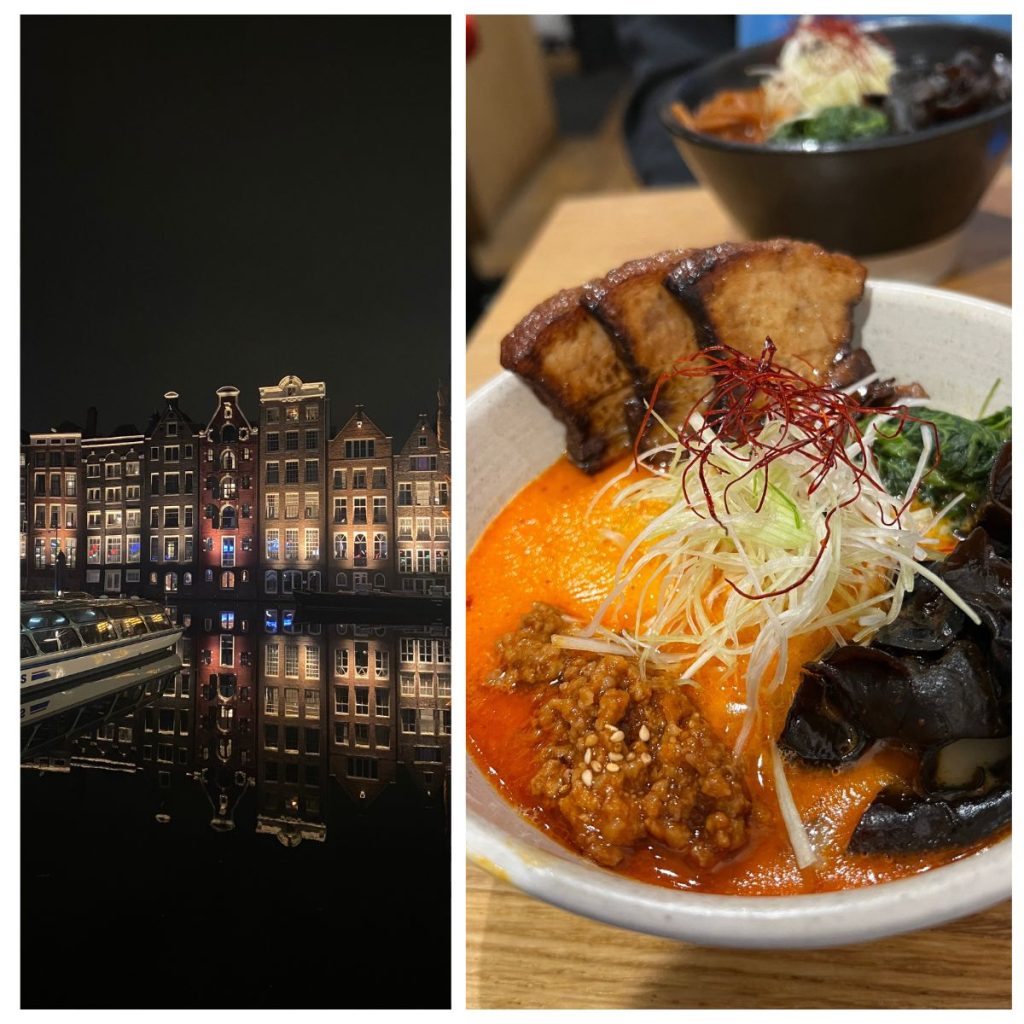

If you’re chasing real Dutch winter comfort food in Amsterdam, you’ll want stamppot (mashed potatoes + a key veg), thick soups, and the kind of portions that actually keep you warm.
We picked places that serve classic Dutch dishes and are known for a proper “borrel + dinner” vibe in the colder months. For each restaurant, we tell you what to order—and how to keep it vegetarian.
1. Moeders – Jordaan

When you order stamppot, aim for one of the seasonal trio: hutspot (mash with braised onions and carrots), boerenkool (mashed potatoes with boerenkool/kale), or boerenkool met worst if you eat meat. If there’s erwtensoep (pea soup), it’s a perfect “proper winter” choice—thick, filling, and often served with something like rye bread.
For vegetarians, the trick is to ask what they can do without the usual meat element. Many kitchens can swap or adjust—either without the meat, or with a vegetarian alternative (ask directly about vegetarische rookworst or similar).
Good to know: If you’re hungry-hungry, go for a stamppot + a hot soup starter, because the portions here are built for staying in for a while.
2. Café De Reiger – Zeeburg (East Amsterdam)

On the menu (especially in cold season), look for erwtensoep and stamppot options. If you want something that tastes very “Dutch winter,” go for erwtensoep first, then follow with hutspot or boerenkool.
If you’re vegetarian, don’t guess based on the standard description—ask staff whether they can do the dish without meat or with a vegetarian swap. A lot of Dutch kitchens understand the request; they just need to know your preferences.
Good to know: Because it’s popular, especially when the weather turns, try to go earlier in the evening to avoid the long wait.
3. Café de Jaren – Centrum (near the Amstel)

Order with intention: pick erwtensoep if it’s available, or choose the classic stamppot—boerenkool for the strongest winter-kale vibe, or hutspot if you want something slightly sweeter and softer.
For vegetarians, ask how they handle the typical “winter meat” in stamppot (often served alongside). You can usually steer it into a meat-free direction by asking for: (1) no meat element, and (2) whether they can add extra veg, mushrooms, or a vegetarian sausage alternative.
Good to know: If you want big comfort, don’t forget the sides—think rye bread and Dutch-style condiments—because they make the soup/stamppot meal feel complete.
4. Het Gouden Kalf – Centrum (Leidseplein area)

When you’re choosing your plate, look for the winter staples: boerenkool (kale + mash), hutspot (carrot + onion + mash), and erwtensoep when it’s on the winter rotation. If you see rookworst mentioned and you eat meat, it’s one of the classic pairings.
For vegetarians, this is where you’ll want to be a little direct. Ask if they can do a vegetarian stamppot or if they have a vegetarische rookworst option. If not, ask whether they can prepare it without meat and still keep the flavours balanced.
Good to know: If you’re ordering for a group, ask someone to try the soup and someone else to try stamppot—then you can share the winter table.
5. In de Waag – near Nieuwmarkt (historical canal area)
In de Waag is one of those places that feels built for Dutch dining: a sit-down dinner atmosphere where winter dishes make sense. It’s a good option when you want classics without the touristy mismatch.
Your “what to order” shortlist is simple: hutspot and boerenkool (stamppot), and erwtensoep if it’s listed. Hutspot is great if you want a mash with gentle sweetness; boerenkool is the go-to if you want the stronger, earthy winter flavour.
Vegetarian options can vary, so the best move is to ask the team what they can do with the main dish. If the stamppot normally comes with meat, you’re looking for either a vegetarian sausage alternative or a version prepared without the meat element.
Good to know: The historical setting makes this a solid choice for a longer winter lunch or early dinner—plan for comfort, not a quick bite.
6. De Wapen van Amsterdam – Centrum (Dam area)
De Wapen van Amsterdam has a classic Dutch tavern vibe, which often translates into classic winter plates. If you like your comfort food straightforward—soups, mashed dishes, and hearty sides—this is worth considering.
When the menu offers it, choose erwtensoep for the thick, warming pea-soup experience, or go for a stamppot like hutspot or boerenkool. If you eat meat, keep an eye out for rookworst as the traditional pairing.
For vegetarians, ask what’s possible before you order. You’re looking for either a meat-free preparation or a vegetarian rookworst/sausage swap, depending on what they have that day.
Good to know: If you’re after big portions, order one main per person and add soup only if you’re sharing—otherwise you might end up too full too fast.
7. Café ’t Smalle – De Pijp
Café ’t Smalle is a smaller, casual spot that works well when you want classic Dutch comfort without a “big restaurant” feel. It’s a good choice for winter cravings when you want something warm, filling, and very Dutch.
In winter, this is the kind of place where you might find the familiar staples: stamppot options (look for hutspot/boerenkool) and erwtensoep if it’s on the season rotation. If you’re not sure what’s available, ask what’s “currently on the winter menu.”
Vegetarians should ask directly about how the stamppot is served. If the plate normally includes meat, request a meat-free version—or ask whether they can accommodate a vegetarian sausage alternative.
Good to know: Go in hungry and order based on the seasonal special first—this is where cafés often focus their best kitchen effort.
Final tips
- For stamppot, pick your “winter mood”: boerenkool for deep kale flavour, hutspot for softer sweetness, and erwtensoep when you want the thick soup comfort.
- If you’re vegetarian, don’t rely on a single word on the menu. Ask: “Can you make this without meat or with vegetarische rookworst?”
- For big portions, plan like locals: one hearty main per person, and add soup only if you share or if you know you’ll still have space.
- If you see winter specials on the board, order those first—Amsterdam kitchens can rotate dishes quickly during the colder months.