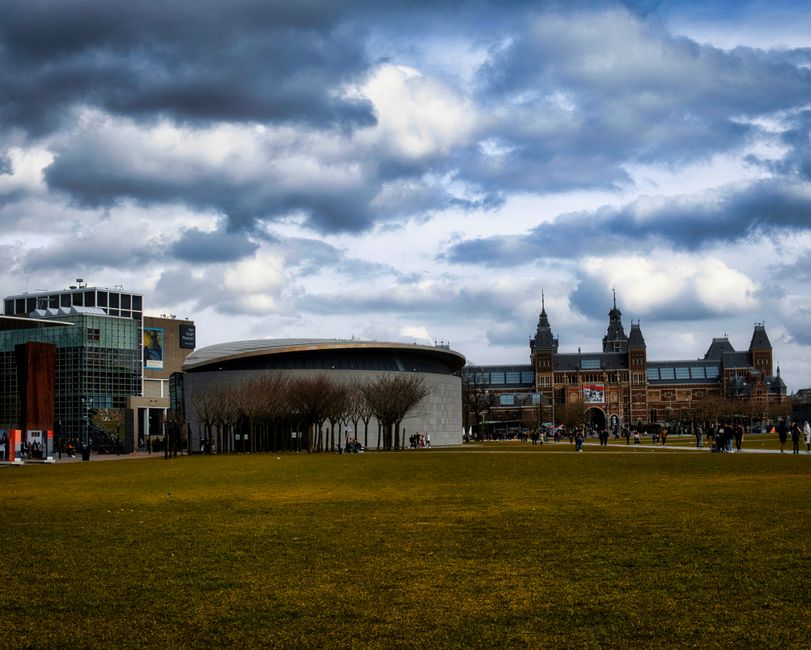
If your goal is to hit the Van Gogh Museum and the Rijksmuseum with as little tram “planning” as possible, you’ll feel it immediately: the closer you sleep to Museumplein, the less you’ll rely on lines, stops, and transfers.
We ranked the best stay-bases by (1) walking distance to Museumplein and (2) how straightforward the tram ride tends to be (ideally direct, not cross-town with transfers). We also call out noise, because the most convenient areas can be the liveliest at night.
1. Museumplein & Museumkwartier – Walk to Both in Minutes
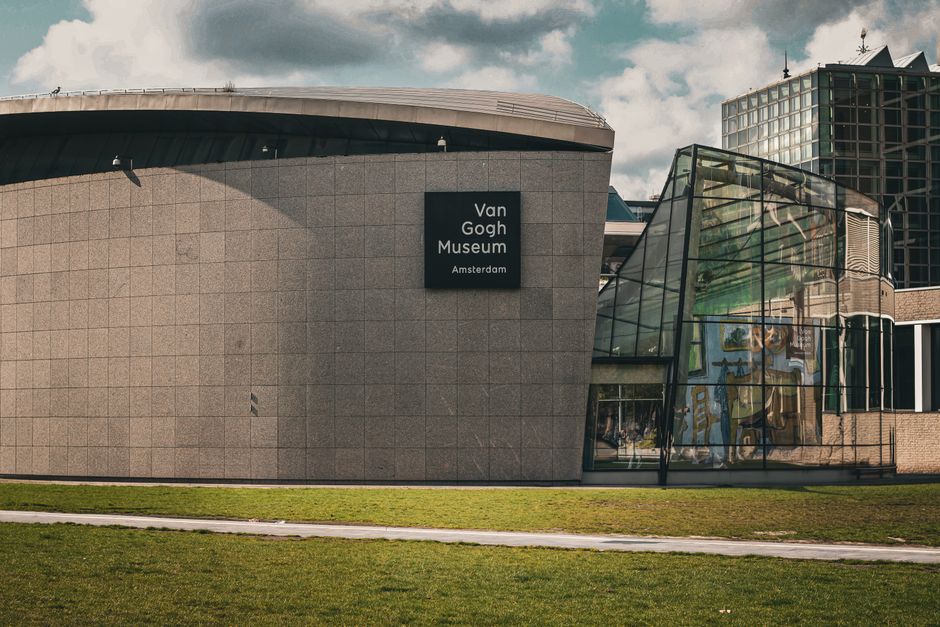
This is also one of the best neighbourhoods if you like a smooth flow: museum, quick coffee, lunch, then back for golden-hour photos. You’ll find lots of hotel inventory, plus a few apartment-style stays, so it’s easier to mix comfort with location.
Noise trade-off: Museumplein is active. Even if your room isn’t on the main street, you may notice weekend buzz and late-evening footsteps. If you’re a light sleeper, aim for a quieter side street and consider higher floors (street noise usually softens up).
Good to know: For the easiest “no tram” days, prioritize lodging within easy walking distance of the Museumplein tram stop—then you can use the tram only for evenings or farther neighbourhoods.
2. Oud-Zuid (Concertgebouw Side) – Comfort Near the Museums

This neighbourhood also tends to feel a bit more “neighbourhood residential” than “attraction strip,” which is great if you want a quieter sleep while staying close enough to pop back between museums. It’s also a nice area for evening plans (think cozy cafés and a relaxed borrel—“drink together” with friends).
Noise trade-off: generally lower than Museumplein itself, but you can still hear traffic or nightlife if you’re near wider roads. If you’re sensitive to sound, pick a street that’s not directly on a main thoroughfare.
Good to know: If you see a listing on a quieter residential street nearby, it often beats a “perfect address” on the busiest corridor—same proximity, less noise.
3. De Pijp – The Best “Stay + Eat” Base (Still Easy to Get to Museumplein)
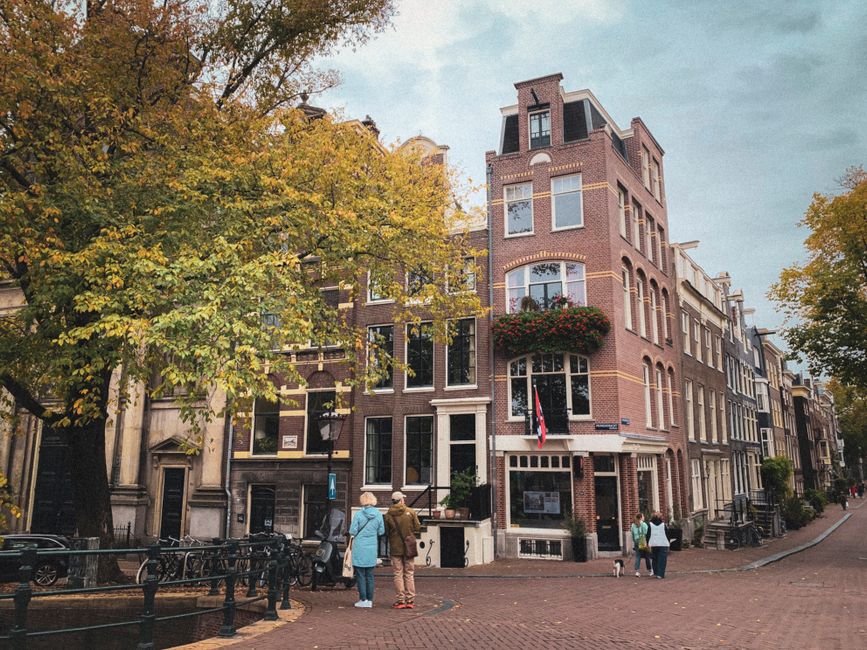
If you want the convenience of walking part of the way and using trams only when you feel like it, De Pijp is ideal. It’s also one of the easiest areas to find a good mix of mid-range hotels, boutique-style stays, and apartments.
Noise trade-off: De Pijp can get energetic in the evenings around its main streets and popular bars. To reduce sleep disruption, look for properties a short walk away from the busiest corners.
Good to know: If “no tram hassle” is the priority, choose a base where you can walk at least part of the route to Museumplein—then trams become optional rather than necessary.
4. Vondelpark Edge (South / Museum Side) – Green Steps from the Museums

Vondelpark-area streets can be beautiful and quieter than the direct museum corridor, but you’re still close enough that museums feel “within reach.” For many visitors, that means you can walk comfortably when the weather is good and use a tram only when it’s raining or when you’re conserving energy.
Noise trade-off: usually softer than Museumplein/Leidseplein. If you’re near major roads, you might hear traffic. Aim for streets that don’t face the biggest arteries directly.
Good to know: If you’re traveling in warmer months, pick a listing with good sound insulation—park-adjacent areas can get lively during evenings.
5. Apollobuurt / Zuid (Between Museumplein & De Pijp) – A Practical Middle Ground
This is a “just right” zone: close enough for frequent walks to the museum area, but often with more residential calm than the loudest parts of Amsterdam. Apollobuurt and the surrounding streets can be a strong choice if you want easy access without paying for the most direct addresses.
You’ll usually find comfortable mid-range options here, and the local feel is solid: bakeries, small supermarkets, and everyday restaurants rather than only tourist-focused spots. It’s a good base if you plan to do museums in the morning and spend evenings exploring nearby streets.
Noise trade-off: generally manageable. Still, stay aware of tram corridors and busier intersections—those are the places that echo.
Good to know: Use a simple test when booking—check the street on the map: if it looks like a major corridor, you may get more sound than you expect.
6. Leidseplein / Museum District Fringe – Very Central, Some Noise
Leidseplein is central and convenient for getting around, including to the Museumplein museum area. It’s not the “walk everywhere” choice that Museumkwartier is, but it can still work well if you don’t mind using trams for a short hop.
This is a good option if you want your nightlife options close while still staying within reach of the museums. In practice, you’ll typically do museum days by tram or a moderate walk, and then enjoy an easy evening schedule.
Noise trade-off: this is the main downside. Leidseplein and the surrounding streets can be quite lively at night. If you’re sensitive to sound, prioritize quieter streets that aren’t directly by the entertainment strips.
Good to know: If you choose this area, consider booking a room that faces an inner courtyard or a less active side street—Amsterdam noise can be directional.
7. Old Town (Canal Belt South) – Historic, Pretty, But More Tram Depending on the Spot
The canal belt is stunning, and staying in the historic areas can feel very “Amsterdam.” For Van Gogh and Rijksmuseum, though, it’s usually less frictionless than Museumplein-adjacent neighbourhoods: you may walk some, but you’ll likely rely on a tram (and the occasional transfer depending on where exactly you stay).
Where this works best: if you want a scenic base and you’re comfortable using public transport, but you still want the museum day to be straightforward once you know your route.
Noise trade-off: canal streets vary a lot—some are surprisingly calm, others catch bar crowds and late-night foot traffic. The difference between “quiet canal” and “party canal” can be just a few blocks.
Good to know: To keep tram hassle down, pick a place that’s near a major tram stop rather than deep on a small canal street.
Final tips
- If you truly want “no tram hassle,” choose the top 2–3 areas (Museumplein/Museumkwartier and Oud-Zuid) and let walking do the heavy lifting.
- If noise matters more than perfect proximity, trade a little distance for calmer streets just off the main museum corridors.
- When you’re comparing listings, check the map for distance to Museumplein tram stops—but also read the street feel: busy corridors can cost you sleep even when the museum walk looks short.
If you’re using Booking.com, filter by “location first,” then open the map view and zoom in on the block—Amsterdam’s differences between one street and the next can be bigger than you’d expect.