If your main Amsterdam plan is a canal cruise, your hotel location matters more than your museum list. You want a walk to the dock that feels calm (side streets, canal edges, fewer tour-bus bottlenecks) and a neighbourhood that doesn’t turn into a party zone after dark.
We picked these four bases by comparing: how close you really are to common boarding points, how pleasant the last stretch on foot feels, and what the “night vibe” costs you (noise, crowds, and late-night streets).
Below you’ll compare Jordaan waterfront edges, Centrum side-streets, De Pijp-to-City Canal walkability, and Oost docks access—so you can choose the calmest option for your cruise route.
1. Jordaan Waterfront Edges – Near Westermarkt & Prinsengracht
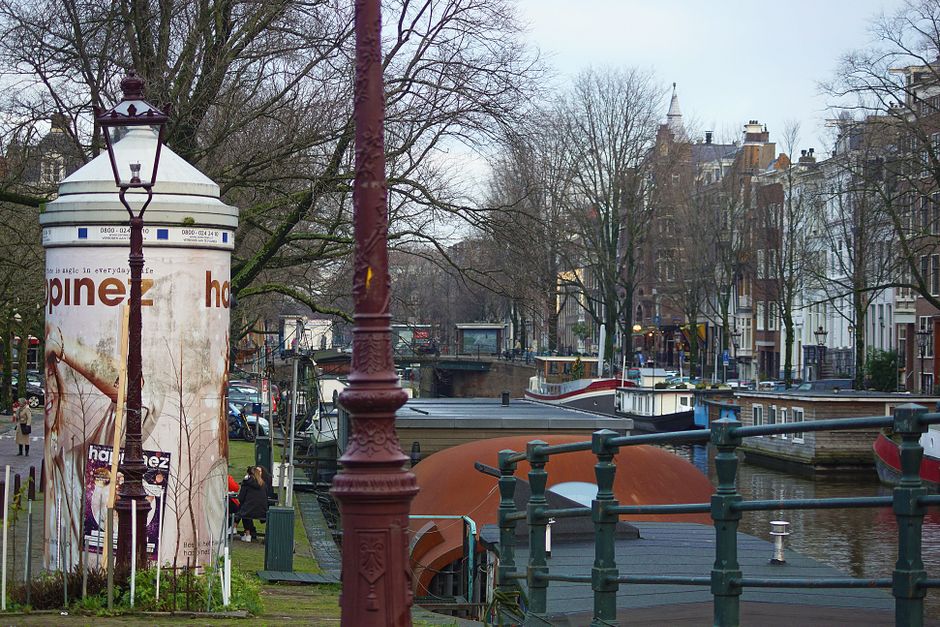
What you gain: a very walkable network of canal bridges and smaller streets. Daytime feels lively but not chaotic, and at night you usually still get that cosy, local Amsterdam mood—coffee stops, a casual borrel (drinks), and quiet residential blocks just a few streets away.
What you pay: convenience comes with a premium. Streets around the main canal edges can be more expensive and busier in peak season, and you may notice more foot traffic when people go to (or leave from) the most famous canal sections.
What to avoid at night: try not to book directly facing the bar-heavy corners if you’re a light sleeper. In warm months, the canalside areas near the most popular hangouts can stay louder than you’d expect.
Good to know: In Jordaan, being “one street off the main canal” often makes the difference between gently buzzing and genuinely quiet.
2. Centrum Side-Streets – Behind Damrak, Near Spui & Singel

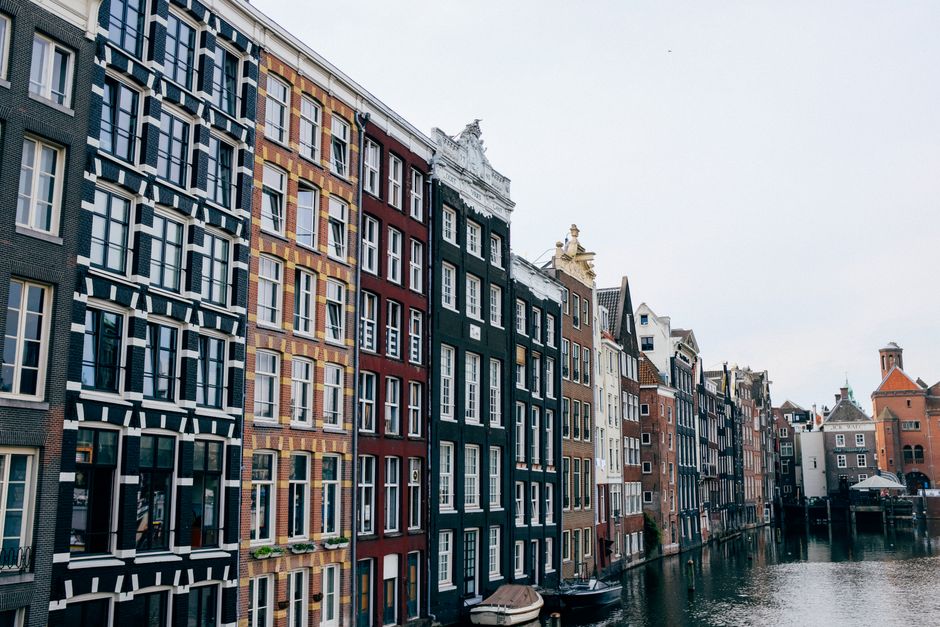
What you gain: maximum “walk-and-done-it” potential. If you want to be able to pivot between cruise, dinner, and a late coffee without relying on trams, this is where you’ll feel it. Side streets around Spui and the Singel canal edges can be calmer than the main tourist lines.
What you pay: more people, more noise, and more “you’re paying for location.” Even if your hotel is on a quieter street, you’ll still feel the gravity of nearby landmarks and tram stops. Rooms facing louder streets can get restless late—think groups leaving bars, street conversations, and the general hum of a central hub.
What to avoid at night: don’t pick a location right on the De Wallen/Red Light–adjacent streets or immediately off Damrak. Those areas are busy longer into the evening, and the walk back can be less peaceful than you expect for a “quiet base.”
Good to know: If you’re booking in Centrum, prioritize a street that’s clearly not a direct route between major landmarks (even if it’s only a 2-minute detour on foot).
3. De Pijp to City Canal Walkability – Weteringschans Side, Short Tram-to-Dock Flex
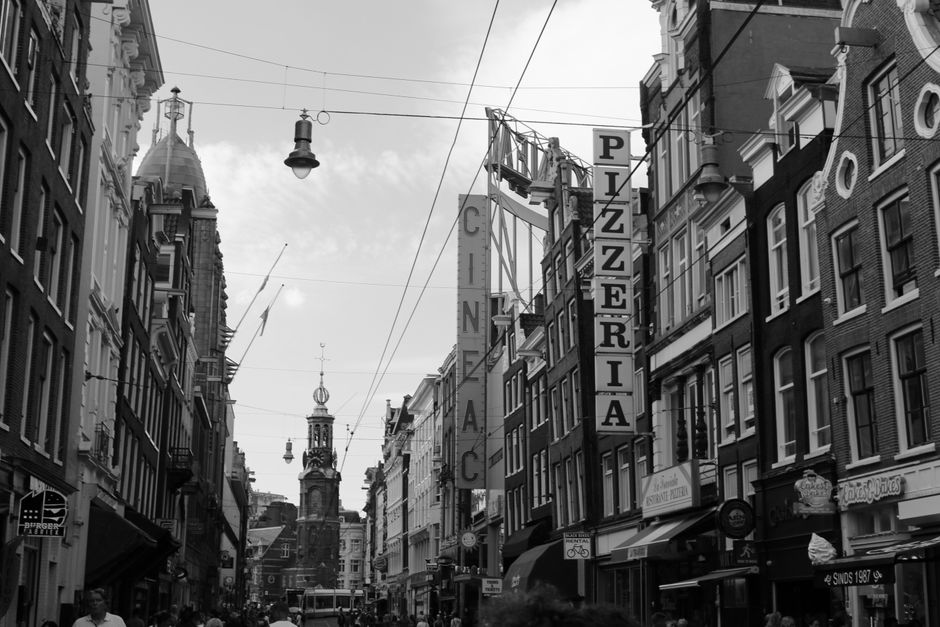
What you gain: a neighbourhood that’s genuinely pleasant beyond tourist hours. De Pijp has an easy rhythm—good food spots, a lively daytime vibe, and plenty of places to eat near you after a cruise without jumping back into the busiest core.
For canal-cruise docks, the key is flexibility. You can often walk part of the way toward the inner canal belt, but many people choose a short tram hop for the final stretch when it’s raining or when the dock area is crowded.
What you pay: you’ll trade “extra quiet” for “more neighbourhood life.” Some streets in De Pijp stay lively in the evening (especially around popular restaurant and bar strips). That can be great if you like ambience, but not ideal if you want true calm.
What to avoid at night: stay away from being too close to the most concentrated nightlife streets. If you’re sensitive to sound, look for rooms set back from the main shopping-and-drinks streets (and double-check street-facing rooms).
Good to know: In De Pijp, you’ll usually get more sleep if your hotel is a few blocks away from the busiest blocks—still close enough for an easy walk to the canal direction.
4. Oost Docks Access – IJ Waterfront Side & East Canal Edges

What you gain: typically better value and a quieter night atmosphere than inner Centrum. Oost is also very good for a simple routine: dinner, a calm evening walk, and a straightforward way to reach the dock area with public transport or a short ride.
What you pay: you may not always get the “we walked straight there” experience. Oost is comfortable, but it’s not as compact as Centrum. Depending on your exact departure point, you’ll more often use tram or metro to avoid a longer walk through the more crowded centre.
What to avoid at night: don’t assume Oost is automatically silent everywhere. Areas near big parks and certain nightlife corridors can be active at peak times. Choose a street that’s well-lit and not right next to where groups congregate.
Good to know: We usually check Booking.com when choosing Oost stays, because it’s easy to filter for streets that keep you close to transport (not stuck far from it).
Final tips
- If “quiet walkable base” is your priority, choose a street that’s not a straight line between a major landmark and the dock area—side streets matter.
- For canal cruises, the last 10–20 minutes on foot often decides whether your experience feels relaxing or stressful. Prioritize the approach route, not just the neighbourhood name.
- If you’re noise-sensitive, avoid street-facing rooms on the most bar-heavy corners (Jordaan and De Pijp can both be lively in summer).
- Keep your cruise meeting point in mind: Centrum is best when you want walking-first, Oost is best when you want calm-first and transport for the last stretch.