
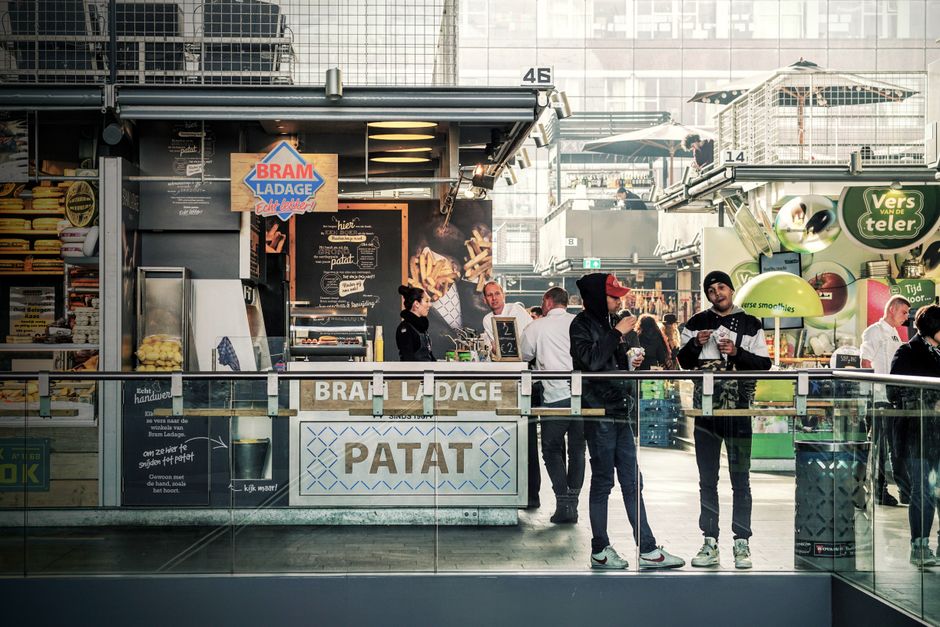
If you want to eat your way through Rotterdam in a few hours, go for a half-day format that combines the market with the older harbour neighbourhoods (think Delfshaven and nearby streets) plus a guided tasting stop or two.
We picked the options you’ll most reliably find across platforms, focusing on listings that match that “market + old harbour streets + local tastings” idea, and that make it easier to check meeting points and allergen notes before you go.
Because food tours vary by guide and group size, we’ll steer you on what to look for, when to book, where tours usually start, and what to request if you have allergies.
1. Viator – Best for careful itinerary matching

Meeting points are usually close to a major transport hub (often around Rotterdam Centraal or the Markthal area), but they can shift depending on the exact tour operator. The practical move: open the listing details and look for the “Meeting point” line; if it’s not clear, message the host through the platform before you pay.
What you’ll typically eat on this kind of tour (so you can sanity-check ingredients): Dutch bites with gluten (think breaded snacks), dairy (cheese or creamy sauces), and sometimes seafood (Rotterdam is very comfortable with fish tastings). If you have allergies, don’t just look for “no nuts” — make sure the tasting list is compatible with your allergen.
Allergy steering that works well with most guides: ask for “no shellfish/no fish” if relevant, confirm whether sauces contain dairy, and request gluten-free substitutions if you need it (or at least ask if they can swap breaded items). If you’re very sensitive, ask whether the group handles shared items like fries or bread trays.
Good to know: Booking a half-day food tour for a weekend? Aim to reserve a few days earlier (often 3–7 days, sooner in peak summer) so you can pick the timing that matches your lunch/dinner plan.
2. Klook – Best for seeing lots of date options fast

For meeting points, the key is the same everywhere: Rotterdam listings can start at Markthal, near the central station, or at a nearby landmark for easy group assembly. Klook usually includes a meeting point in the booking details—check it on the day you travel, because operators can sometimes update logistics based on weather or group size.
Tastings on these tours usually follow a “local classics + one or two Rotterdam-friendly specialities” pattern. Expect a mix of savoury bites (often breaded or fried), something sweet (stroop/“caramel” style treats are common in the Netherlands), and sometimes a drink pairing. That’s why allergy prep matters: gluten and dairy are the two most common landmines in Dutch snack food.
If you’re allergic, write your request clearly. For example: “No gluten (celiac), no dairy, and avoid cross-contact from shared fryers.” Even if the listing doesn’t offer a special meal option online, a good guide will still steer you toward safe substitutions for at least the tasting parts. If you’re allergic to shellfish, clarify whether “fish” tastings are included.
Good to know: If you see multiple languages listed in the tour details, it often correlates with more structured communication—helpful when you want to discuss allergies and ingredients quickly.
3. Booking.com – Best for cross-checking cancellation details

As with the other platforms, meeting points can vary by operator. For a market + old harbour route, you’ll most often see a start near Markthal or a central meeting location you can reach easily on foot from public transport. Always confirm the meeting point after you book (and not only before): the details are sometimes updated in your confirmation message.
Typical tasting menu themes you’ll likely run into on the Rotterdam “market + harbour streets” style tours:
- Fish-forward Dutch bites (sometimes including raw or pickled fish)
- Breaded snacks (kibbeling-style)
- Hearty savoury pieces like kroket-style snacks (usually wheat-based)
- Dairy in sauces or cheese accompaniments
- A sweet Dutch element (stroop-related flavours and/or pastry)
If you need allergy-friendly choices, use the “what’s included” list to guide your questions. Ask whether the guide can swap a breaded item for something unbreaded, and whether dessert can be made without your allergen. For severe allergies, it’s smart to ask about cross-contact (shared oil, shared prep surfaces, shared platters).
Good to know: If the listing is vague about tastings, consider choosing the tour that explicitly names the stops (market hall + specific streets/neighbourhoods) — that clarity usually means the operator can manage substitutions better.
Final tips