
If you’re visiting Amsterdam for the first time and want tram access, the “best neighbourhood” depends on your pace: museum days, evening drinks, or quieter canal walks. We’ll help you pick an area that fits your trip style, then show you exactly what to check before you book—especially for tram/taxi noise, walk time, and Amsterdam room sizes.
We built this guide around neighbourhoods that are genuinely convenient for first timers (close to major sights and well-connected by tram), but not all “touristy in the same way”. For each area, we tell you who it suits and what to watch out for.
How to choose (without ending up somewhere annoying)
Start with your daily pattern
Most first timers do two things repeatedly: (1) get to a cluster of sights by tram or on foot, and (2) return to a neighbourhood that feels right after 8–10 hours outside. If you’re doing lots of museums or historic walks, you’ll want calmer streets and an easy route to Museumplein. If your plan is bars and late dinners, you’ll want to be near Leidseplein / De Wetering—but accept some bustle.
Use tram access like a filter, not a fantasy
Amsterdam trams are great, but the difference is whether you’re close to a stop and whether your hotel room faces a tram route. Being “tram-connected” is not the same as sleeping well.
Pick walkability by deciding what you’ll walk to
A practical trick: decide your “walk comfort range” before booking. If you’d rather walk 10–20 minutes than take the tram, aim for areas like the Jordaan, Oud-Zuid (Museumplein), or Centrum proper. If you’re happy to tram-hop, De Pijp and Oostelijke Havengebied are excellent.
Museum days and pretty canals (the calm, walkable base)
1) Jordaan & Canal Belt West
Jordaan is a classic choice for first timers who want a charming neighbourhood feel without being right on the loudest tourist streets. You’ll get lots of cafés, boutiques, and canal walks—and it’s still easy to reach the museum area by tram or a pleasant walk.
It’s especially good if your trip includes: museums, galleries, and “let’s wander and stop for coffee” afternoons.
Good to know: Jordaan is popular, so hotels can be small and booked fast. When reading reviews, watch for mentions of “busy street” or “thin walls” in older canal houses.
2) Museumplein & Oud-Zuid
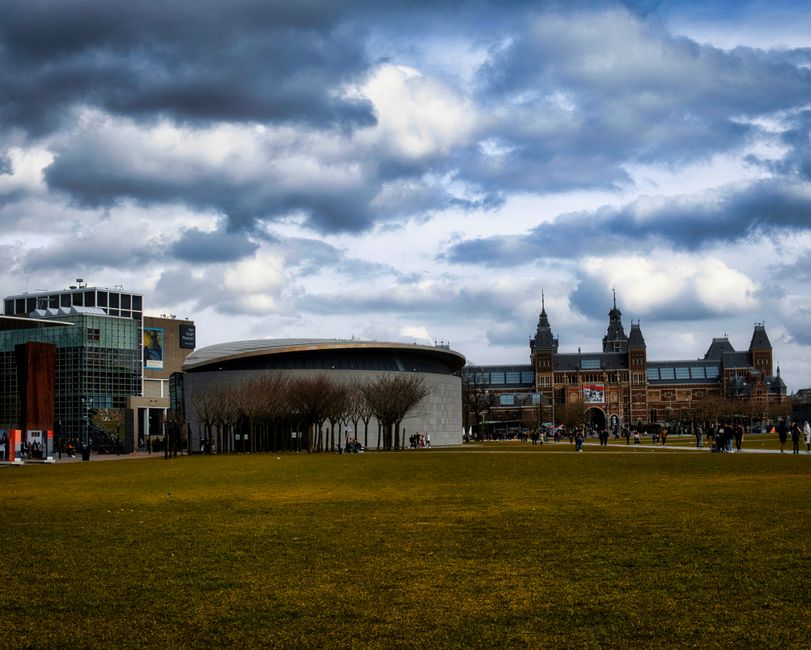
If your Amsterdam is about art (and you like the idea of stepping out directly into Museumplein’s energy), Oud-Zuid is a strong match. It’s also a bit more spacious and orderly than the inner ring streets, which helps with sleep.
You’ll do well here if your calendar looks like: museum morning → park / long lunch → evening tram back.
Good to know: Aim for a hotel that’s not directly on the busiest roads. Even in calmer Oud-Zuid spots, some streets pick up tram noise depending on orientation (street-facing vs courtyard-facing).
Food markets and local bars (easy tram life)

3) De Pijp
De Pijp is where many locals go for food and a casual borrel (drinks + snacks). For first timers, it’s a great base because you get lively neighbourhood energy, lots of restaurants, and a direct route to major sightseeing areas.
This area fits you if you care about: good restaurants, multicultural bites, and a comfortable rhythm where you don’t have to dress up for every dinner.
Good to know: It can be noisier than Jordaan and Oud-Zuid, especially evenings. For tram/taxi comfort, prioritise higher floors and rooms facing an inner courtyard when possible.
Nightlife walkability (but plan for the buzz)

4) Leidseplein, De Wetering & the Museumkwartier edge
If you want to be able to walk to nightlife—cocktails, live music, late dinners—this is one of the most convenient zones. Trams also make it easy to reach other neighbourhoods without crossing the city on foot.
Choose this if your trip style is: “We go out after dinner” and you don’t mind that the streets stay active.
Good to know: This is where taxi stand + late-night crowds can affect sleep. When you book, check for (a) room orientation (street-facing vs quieter side), (b) double glazing mentioned in reviews, and (c) whether guests specifically complain about noise.
First-time classics (most sights within reach)
5) Centrum proper (Damrak / Spui side)
Centrum is the “you can reach everything” option. It’s ideal when you’re planning classic Amsterdam sights early and often: canals, the main shopping streets, and quick access to trams.
It suits you if you want minimal commuting and you’re comfortable being close to crowds.
Good to know: Centrum can be noisy and busy day and night. If you choose this area, be extra strict with the noise checklist: request a quieter-facing room and avoid places that reviewers flag for street noise.
Space and calmer mornings (still well connected)
6) Oostelijke Havengebied & Java-eiland
Oostelijke Havengebied / Java-eiland is a smart “first timer but not right in the center” pick. You get a more modern feel, wider streets, and calmer mornings—while staying tram-connected for museum and city-centre days.
This works best if you want: a little more breathing room, easy access to trams, and a neighbourhood that feels less like the Amsterdam postcard loop.
Good to know: The vibe is different from the canal-belt heart of town. If you want classic-gracht (canal) atmosphere outside your window, you may prefer Jordaan. If you want practicality, Oost is often an easier sleep.
Booking checklist (tram/taxi noise, walk time, room size) — plus final tips
Noise & tram/taxi comfort (what to check before you pay)
Amsterdam can be quiet in the early morning and loud after sunset—especially along tram routes and near taxi pickup points.
Use this quick checklist when comparing hotels:
- Ask for the quietest room option: courtyard/internal-facing is usually better than street-facing.
- Look at recent reviews for words like “tram noise”, “street noise”, “sirens”, “nightlife noise”, or “thin walls”.
- If the hotel has an option for “higher floor”, it often helps (less street-level bustle).
- If the hotel is near a major square (for example, around nightlife hubs), expect more noise even if the street looks calm.
- If you use Booking.com, scroll past the star rating and actually read the review text that mentions noise direction and window type.
Walk-time reality check (don’t assume it’s close)
Amsterdam distances feel short on a map, but cobblestones and detours add time.
Before booking, estimate:
- Your walk to the nearest tram stop (ideal is ~5–10 minutes, but be honest about how long you’ll walk after dinner).
- Your walk to a “home base” landmark (a shopping street or canal area you’ll likely pass daily).
- Whether you’ll do your evenings on foot or rely on the tram.
If you’re easily tired after a museum day, prioritise neighbourhoods that reduce switching between tram lines and waiting times.
Hotel room size (plan for Amsterdam’s fit)
Room size in Amsterdam is typically compact, especially in older buildings. Rather than focusing only on “square meters”, focus on whether the room layout will feel workable for you.
A practical checklist:
- Confirm bed setup (double vs two singles) and whether there’s space to open luggage.
- Look at photos for the bathroom door/space (this is where “small” becomes frustrating fast).
- If you’re two people, check whether there’s a proper table or desk area (helpful if you’ll rest mid-day).
- If you need a quieter sleep, pair the room-size check with noise-read reviews—small rooms are fine, noisy rooms are not.
Final tips
- Pick one neighbourhood to base your trip, and use trams for the “farther” days instead of changing where you sleep.
- If you’re unsure between two areas, choose based on nights: your sleep quality matters more than your daytime commute.
- For the smoothest first-time trip, aim for either: (a) Jordaan/Oud-Zuid for calm walks, or (b) De Pijp/Centrum/Leidseplein if your evenings are a big part of the plan.