

Getting from Bucharest Otopeni (Henri Coandă) to downtown fast is usually easiest with a pre-booked transfer or an official taxi. The train is the budget option, but with luggage—and late at night—it’s rarely the quickest door-to-door.
We wrote this for you if you land at a random hour, don’t want surprises with transport, and you’d like realistic “how long will it take?” expectations. We’re comparing transfer vs taxi vs train based on how locals typically move between the airport and the city.
We’ll also flag the late-night reality: public transport can thin out, and heavy luggage changes what “fast” really means.
1. Pre-booked airport transfer (door-to-door)
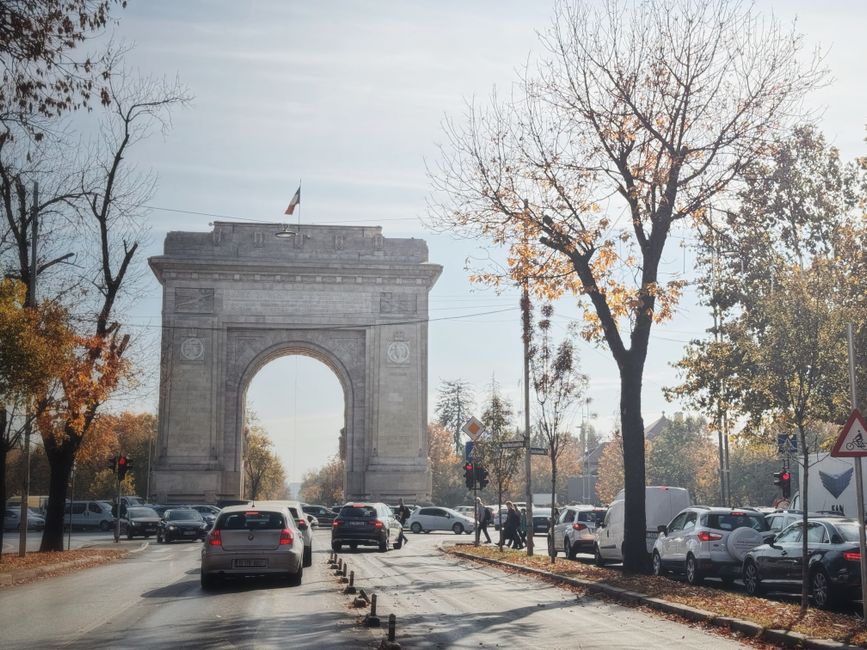
If you want a simple fixed-price flow, we’ve used GetTransfer for straightforward door-to-door rides.
Time and cost range (what to expect)
- Typical time: about 35–75 minutes to central areas, depending on traffic. Daytime is often in the middle of that range; rush hours can push it higher.
- Typical cost: often higher than the train and sometimes similar to taxi—think roughly in the tens of euros worth of RON rather than “budget pennies.”
Because transfer prices depend on car size and your exact drop-off, the most honest way is to check the option that matches your group size and destination (e.g., Old Town vs near Gara de Nord).
Luggage and late arrivals
Transfers are the easiest choice if you’ve got 2+ suitcases or anything bulky (strollers, large backpacks, wedding-box “carry-ons”). The handoff is designed for airport pickups, so you’re not negotiating spaces in the back of a taxi.
Good to know: Confirm the meet point in your booking (or in the email you receive) so you’re not looping around arrivals when you’re tired.
2. Official taxi rank (fastest on light traffic)
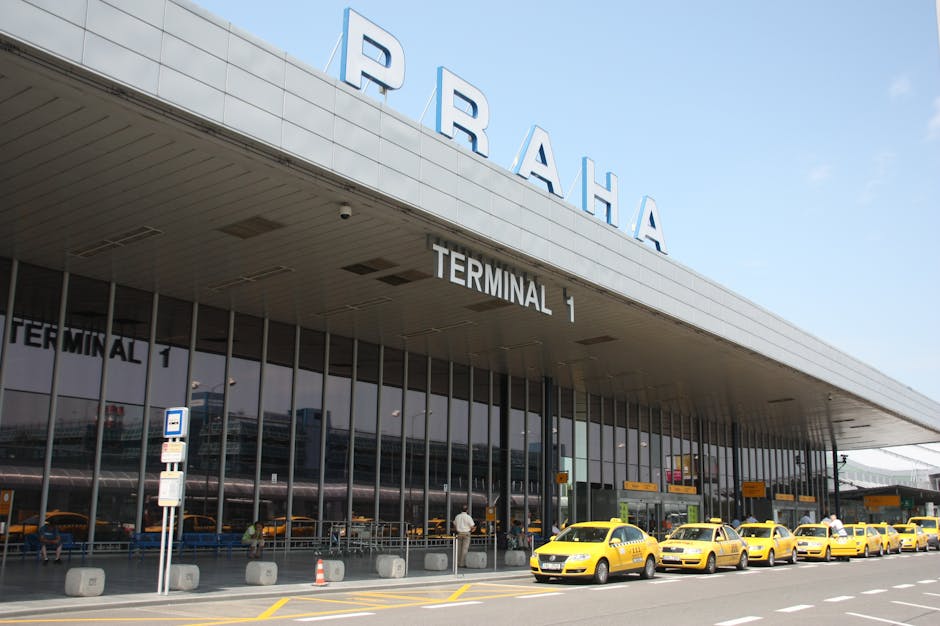
If you’re new to Bucharest, aim to use a taxi that:
- has an obvious meter (or transparent fare method)
- takes your destination clearly (write it down in Romanian if you need to)
- lets you confirm the fare approach before you get moving
Time and cost range (what to expect)
- Typical time: about 30–75 minutes. On a clear run, it can feel quick; on gridlock, it can stretch.
- Typical cost: often more than the train, usually around roughly 60–120 RON for central areas, depending on traffic, your destination, and the taxi’s base/charging method.
Taxi fares aren’t one universal number, but for planning, treat it as a mid-budget option: more than public transport, usually less than some transfer tiers.
Luggage and payment tips
Taxis are workable with luggage, but you want to think ahead:
- If you have heavy suitcases, ask for help loading if needed.
- If you pay by card, still keep some cash for “small extras” (overnight congestion charges can vary by operator).
Good to know: Don’t accept “driver will decide price later” vibes—agree on the meter method (or total approach) before moving.
3. Train + (optional) metro/bus (cheapest, with trade-offs)

If your hotel is in/near areas linked by metro, this can be a good plan. If you’re staying deep in Old Town or you have a lot of luggage, the last-mile portion can slow you down.
Time and cost range (what to expect)
- Typical time: about 50–90 minutes door-to-door, depending on waiting times and how easy the connection is to your exact hotel.
- Typical cost: usually the cheapest option. Budget planning is often around single-digit to low tens of RON for the rail leg, then maybe a metro/bus ticket for the connection.
The train can be excellent value if you travel light and you’re not in a hurry. If you’re on a tight schedule, the “fastest” part depends on waiting times and your connection.
Late-night reality
Late at night, public transport can become less frequent, and connections take longer. If you land around midnight and you’re carrying heavy bags, you may spend more time waiting than you save on ticket cost.
Good to know: If you use the train, check the latest departures and connection options for your arrival time, not just “it runs at some point.”
Late-night arrivals and heavy luggage (what changes after dark)
- Taxi and transfer: generally stay the most reliable. Traffic can be lighter than rush hours, but you’re still dealing with the quality of service and the taxi availability.
- Train: can still work, but only if the frequency matches your arrival time and you’re comfortable with the last-mile portion.
For heavy luggage, think in terms of effort, not just time:
- Transfers are easiest for suitcases, because the pickup and drop-off happen at door level.
- Taxis are workable, but you may need to manage space and comfort.
- Trains are fine for one or two suitcases if stations feel manageable for you; with multiple bags, it’s tiring.
Practical late-night checklist:
- Have your hotel address in Romanian (or saved offline on your phone).
- If you connect by metro/bus, keep your final route pre-checked.
- Plan to buffer extra 15–25 minutes when public transport frequency is lower.
Good to know: If you’re unsure, default to transfer/taxi for late-night arrivals and keep train for daytime or light-bag trips.
Quick decision guide (pick the option in 30 seconds)
If you want the fastest path that still makes sense financially, use this:
Choose a transfer if…
- you have more luggage than “carry-on only”
- you’re travelling as a group
- you want door-to-door with predictable hassle level
Choose an official taxi if…
- you want maximum flexibility on the day
- you’re travelling solo and your hotel is accessible in a straight shot
- you don’t want to time a connection
Choose the train if…
- you’re budget-first
- you travel light
- your hotel is on or near a simple metro/rail connection
Good to know: “Fastest” depends on traffic and waiting time—so if you land when connections are thin, the train often stops being the quickest.
Final tips
- Aim to drop at a central reference point (Old Town area, Piata Universității, or near key metro lines) rather than a vague “downtown.”
- For any taxi ride, start from the official area and confirm the fare approach before you move.
- For late nights and heavy luggage, build in extra buffer—or choose a door-to-door transfer.
- If you’re travelling in a group, the transfer option often becomes the most comfortable “time-smart” choice.