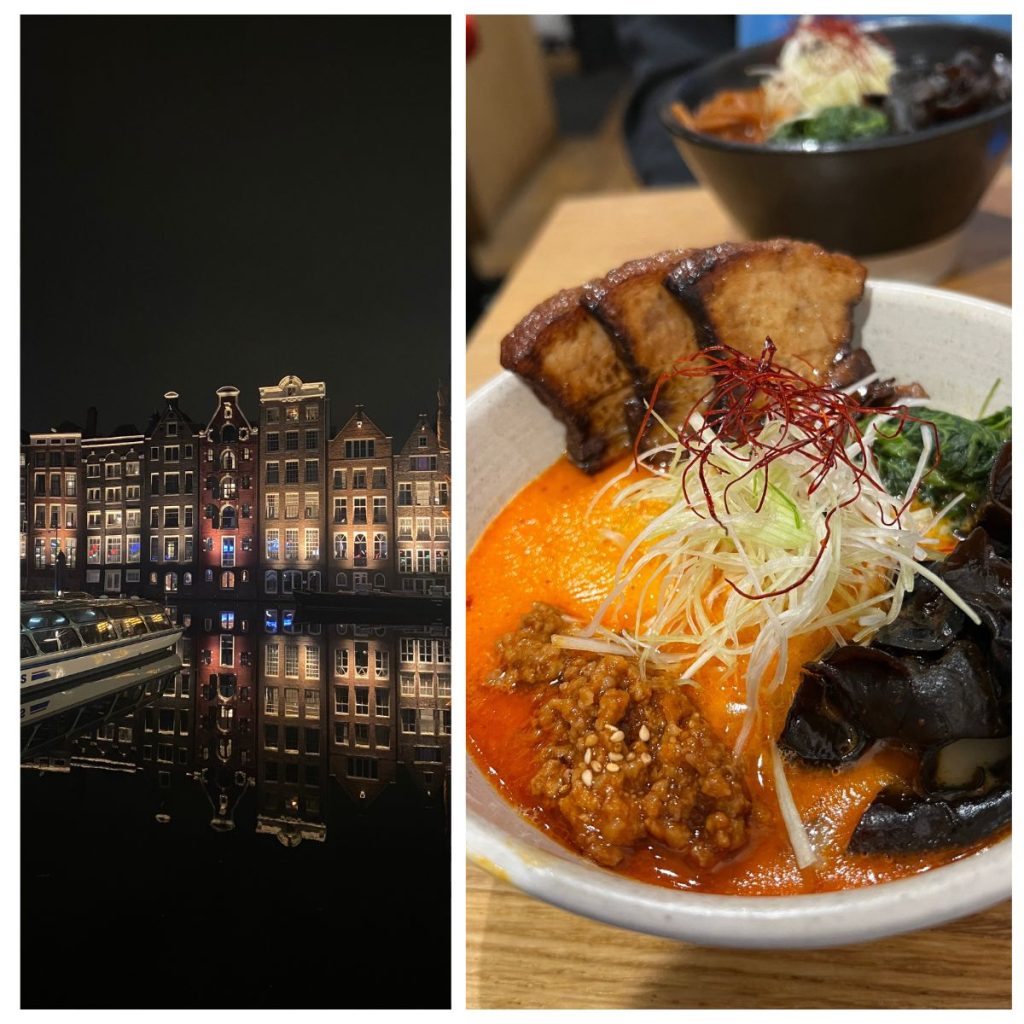

If you’re planning museum nights in Amsterdam, your “where to stay” choice matters as much as your itinerary. We chose neighbourhoods that keep you close to the museum belt, but also let you walk back through calmer, more residential streets.
We’re focusing on vibes you’ll actually feel at night: well-lit routes, fewer crowds after closing time, and practical return options if your feet need a break. (Museum opening hours change by season, so double-check per museum—our focus here is neighbourhood layout and walkability.)
1. Centrum Edge (Jordaan to Plantage) – Close enough, but calmer once you leave the core
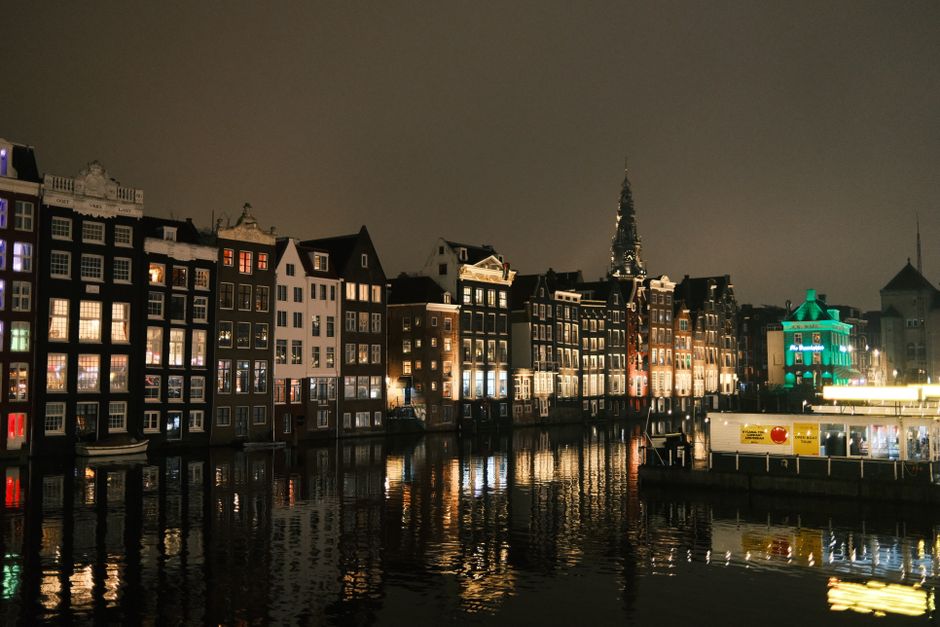
For museum-heavy walks at night, think in routes rather than a single destination. Head toward the eastern side of Centrum for museums near the Amstel and Oosterdok area, then use the canals for a “quiet first” return—Prinsengracht/Singel-style streets tend to thin out after the dinner crowd disperses.
If you’re aiming for the Museumplein cluster (where you’ll find many of the big-name museums), plan for a 25–40 minute walk depending on your exact base and route. The key is choosing a return path that avoids the main shopping-and-tourist corridors and instead uses parallel streets where locals live and walk their dogs.
Price vibe: Centrum edge is usually not the cheapest option, but it can feel better value than the most central Canal Belt streets—especially if you’re comfortable being 10–15 minutes farther away from the absolute tourist hotspots.
Good to know: For late returns, we’d rather you walk the canal-adjacent streets that are clearly connected and lit (even if they’re a bit longer) than cut through very small lanes that don’t feel “through-routed.”
2. De Pijp – Museum belt access with plenty of lit streets for late returns

You’re positioned for walks to the Museumplein museums and the wider Museumplein-area cluster. If you’re staying near the edges around Sarphatistraat and the Amsterdam-Zuid side of De Pijp, you can often reach the main museum area in roughly 20–30 minutes on foot at a comfortable pace.
At night, De Pijp’s advantage is how it “switches modes.” The nightlife energy (think terrace culture) is usually concentrated around a few busy streets, while the side streets settle into something quieter and more residential. Build your return route by leaving from a well-known main road and then turning into calmer streets only after you’re past the busiest crossings.
For a late return, we like routes that go: main museum area → a direct arterial street → residential side streets behind it. This keeps you on continuous, well-lit streets for the time you need them most.
Price vibe: De Pijp is typically mid-to-high compared to the outer canals. You’ll find a mix of accommodations—some great value pockets, but on average it’s more expensive than the calmer, more residential quarters south and west.
Good to know: De Pijp can be busy early in the evening—if you want a calmer vibe on the way back, don’t walk “back through” the loudest bars; circle one or two streets wider and take the quieter route in.
3. Oud-West – Easy Museumplein walks + strong “quiet street” options
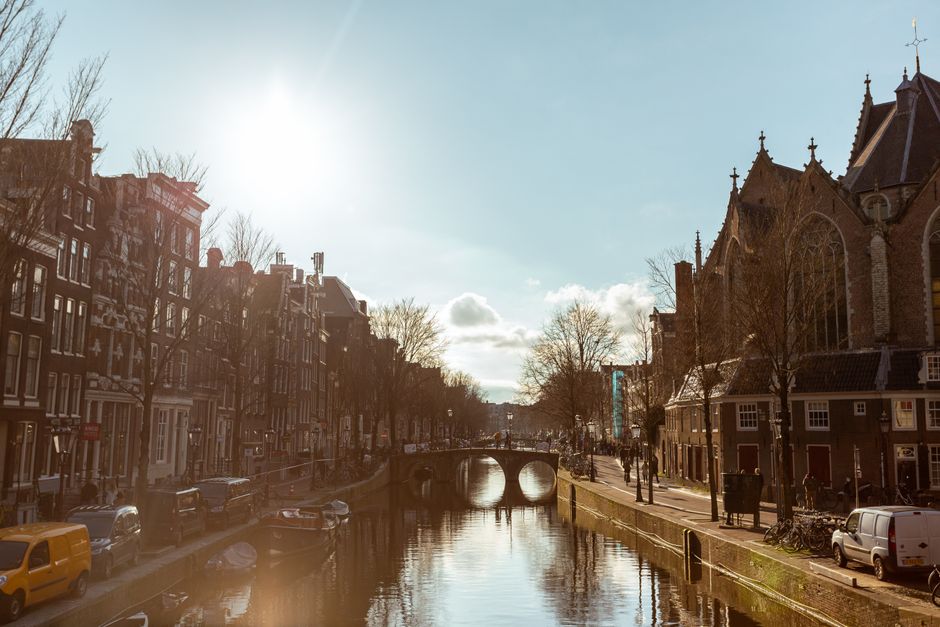
From Oud-West, walking to the museum cluster often feels straightforward (about 15–30 minutes, depending on where you are). The best night-walking setup is when you choose routes that keep you on major streets for part of the way, then switch to residential streets for the final stretch to your place.
At night, Oud-West can feel quieter than you’d expect from the daytime bustle. The vibe depends on your exact block: streets closer to tram corridors can be busier, while streets nearer to the park edge and side neighbourhoods can be calmer once evening hits.
For the most “quiet streets” experience, plan a return route that avoids the most obvious crowd magnets and instead uses parallel streets that locals use after work. If you’re walking near parks or open spaces, stick to the well-used paths and the streets that feel connected—this is less about fear and more about comfort.
Price vibe: Oud-West usually lands in the mid-to-high range. You often get better “neighbourhood comfort per euro” than Centrum proper, especially if you’re not right on top of the biggest tourist corridors.
Good to know: On museum nights, pick a base where you can return via one consistent route (same direction, same street network). That reduces stress when you’re tired and makes “late walking” feel predictable.
4. Rivierenbuurt – The calmest south option when you still want museum-belt reach

For night museum walks, you’ll typically do the big museum cluster by foot only if you’re comfortable with a longer walk (think about 35–55 minutes, depending on your exact starting point and route). The reward is that the return tends to feel calmer and more residential—fewer crowds and more space on the streets.
Rivierenbuurt shines for late-night walking because the neighbourhood is more about everyday life than visitor loops. After museum nights, you can often return through streets that feel like “back home,” with clear, lit routes and fewer interruptions from crowds.
The practical strategy: go by foot if you enjoy walking, but keep your return flexible. Even if you’re determined to walk, know that you can break the journey if you hit the point where “quiet streets” turns into “too far.” (This is one of those neighbourhoods where comfort matters more than speed.)
Price vibe: Rivierenbuurt is often a bit more affordable than the most central popular areas, while still offering a solid neighbourhood feel. You’ll frequently find better value for space compared to the core canal belt and some of the most in-demand streets.
Good to know: Choose a place with a straightforward route to a main street for the final part of your walk—at night, that last “orientation moment” makes a big difference.
Final tips
- For museum nights, plan around neighbourhood geometry: use major, well-lit streets for the bulk of the route, and switch to quieter residential streets only when you’re close to home.
- Think in “return logic,” not just distance—your best route is the one you can repeat easily when you’re tired.
- If you’re comparing stays across these areas, Booking.com is useful for narrowing down neighbourhoods and seeing what’s still available for your dates.