Planning your first Amsterdam canal cruise with kids can feel like a lot, but you mainly need three things: the right time slot, an easy departure pier for boarding, and a plan for kids who get restless (or queasy).
We built this guide around what works on the ground in Amsterdam: piers where families can realistically manage strollers/carriers, cruise timing that avoids the biggest crowds, and motion-sickness habits that actually make a difference.
Start here: timing your tickets (and avoiding the rush)
If your kids nap, schedule the cruise for after nap time. If they don’t, plan it close to a snack window so you’re not dealing with hunger during boarding.
Go for the clearest “station-to-boat” experience
Most family stress comes before the boat even leaves: finding the right pier entrance and standing in line with luggage, stroller, or carrier.
If you pre-book, choose a departure time that gives you buffer for walking from your transport stop. Viator can be handy if you want to compare time slots quickly and see what’s available.
Aim for an early arrival (even if you pre-book)
Arrive 15–20 minutes before departure. That’s enough time to settle kids, use the bathroom, and avoid the “we’re rushing” mood that makes everything harder.
Good to know: If your child tends to get motion sick, arriving early is also a chance to choose a better seat location before the boat fills up.
Best piers for families (easy boarding with kids)

Below are the departure areas that are typically easiest for families (stroller-friendly sidewalks, straightforward access, and lots of cruises running from there).
1. Amsterdam Centraal (Waterside departures)
Amsterdam Centraal is the most convenient starting point for first-timers. You can pair the cruise with a train arrival, and the walking routes tend to be clear.
It’s a busy area, so go early and keep your kid close while you cross foot traffic.
Good to know: If you’re using a stroller, try to enter boarding zones together and avoid splitting up your group.
2. Oosterdok (Ferry Terminal area)
Oosterdok is another popular canal-cruise departure zone near the water. It often works well if you want an easy “from city to boat” flow without trekking too far.
This can also be a better choice when you’re planning to combine the cruise with an indoor activity nearby.
Good to know: If it’s windy, dress kids in layers. The breeze on the water can feel colder than you expect.
3. Prins Hendrikkade (Royal Palace side)
Prins Hendrikkade is a central canal corridor area with lots of activity. Families usually like it because it’s visually interesting right away, even before the boat gets going.
Bring a small snack right after boarding, because kids often get excited and distracted in the first minutes.
Good to know: On busy days, boarding can feel crowded. Keep one adult focused on the stroller/carrier and the other on the tickets/kids.
4. Damrak (Dam Square side)
Damrak is convenient if you’re already exploring near Dam Square. It’s a practical “walk-and-go” option because you can line up your cruise after other sightseeing.
The trade-off is that it can be busier, so timing and early arrival matter more.
Good to know: If your child is sensitive to noise, choose a seat more toward the calmer side of the boat rather than right at the entry point.
Stroller vs carrier: make boarding painless
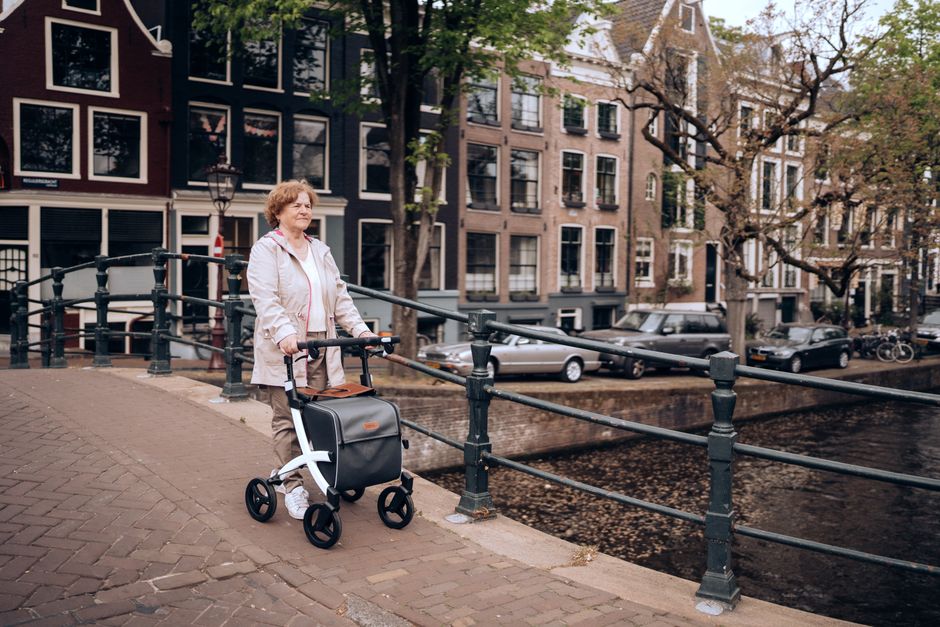
If you’re bringing a stroller, look for one that can fold quickly and has smaller hassle at curb level.
When a carrier wins (for kids who hate standing still)
A lightweight carrier or a structured baby carrier can be a lifesaver when boarding is crowded or when there are steps. It also helps with motion-sickness prevention because you can keep your child’s viewing direction stable.
This is especially useful for toddlers who squirm and don’t do well waiting in lines.
Good to know: If you plan to use both (stroller at street level, carrier at boarding), pack the carrier where you can grab it quickly.
How to keep the “gangway moment” calm
- Practice the routine at home: fold/open, step back, then board.
- Keep one adult in “control mode” (tickets + snacks) and one in “kid mode.”
- Bring a small bag for quick access: wipes, a spare layer, and a familiar snack.
If your child can’t handle sitting still, you can still make it work: use the carrier for the boarding and then transition to a seat once you’re moving.
Good to know: Don’t aim to start the cruise right after a long walk. Give yourself a quick reset at the pier.
Prevent motion sickness (the practical way)

Seat choice matters more than people think
If you can, pick a seat that feels more stable (often closer to the middle of the boat rather than at the ends). Avoid places where kids can stare down at the water or look at their feet.
If the boat offers a cover/open deck option, choose what lets you get fresh air without forcing kids to huddle.
Good to know: Many kids do better watching the horizon and landmarks rather than looking down at screens.
Keep the “head position” steady
- Try “look forward” or “point out buildings” games.
- Avoid reading books or intense screen use during the ride.
- Encourage slow breathing and small sips of water.
If your child already shows early signs (pale face, quiet nausea), it’s better to address it immediately rather than waiting.
Snack strategy: light beats heavy
A very full stomach can make nausea worse. A small, familiar snack is usually the safest bet.
Aim for simple options (crackers, banana, plain bread, a cheese sandwich) and avoid strong-smelling or greasy foods right before departure.
If you’re unsure, check in with a pediatrician or pharmacist about age-appropriate options. For some families, motion-sickness wristbands or ginger-based remedies help, but it depends on the child.
Good to know: Bring a small change of clothes in a zip bag. Even without “real” sickness, kids sometimes spill drinks during excitement.
Snack breaks on board + kid-friendly route choices
Plan snack breaks even if snacks aren’t “official”
Most canal cruises don’t function like a theme park with frequent structured breaks. Your best move is to treat snacks as scheduled moments you control.
A simple rhythm that works:
- Snack before boarding (or during the last 10 minutes).
- Small “mid-cruise bite” about halfway.
- A proper treat after the ride (walk to a café or takeaway spot).
What to bring for kids (and what to avoid)
Bring: water, wipes, a few snack portions that won’t make a mess, and something comforting.
Avoid: sticky sweets that melt, strong-smelling foods that will make you all smell like lunch for the rest of the day, and anything that needs heating.
Good to know: In Amsterdam, people often carry “borrel” style snacks (informal share bites). Keep it kid-sized: simple and easy to eat while seated.
Choose the kid-friendly type of cruise
For first-time cruises with children, the best choice is usually the one that is straightforward and not too long.
If you see options, prioritize:
- Less time on board (shorter duration)
- Clear departure point you can reach easily
- A route that stays central (so you can spot buildings/bridges without complicated narration)
Good to know: If your child asks “are we there yet?” often, a shorter cruise will feel like success, not disappointment.
Final tips (including a rainy-day fallback)
Pack for weather changes on the water
Rain in Amsterdam can be on-and-off. Bring waterproof ponchos or a compact rain jacket, and dress kids in layers so they can warm up quickly.
If you get soaked, it’s harder to reset their mood. Dry kids usually behave better.
Build a rainy-day fallback within walking distance
If the forecast looks wet, plan your cruise and then keep an indoor “Plan B” nearby so you’re not scrambling.
Here are three family-friendly indoor options to pair with your canal day:
- NEMO Science Museum (Science-themed, hands-on rooms)
- Micropia (Kid-friendly microbe museum)
- Tropenmuseum (Culture galleries with lots for children to explore)
Good to know: If it’s pouring, choose an earlier time slot (when you might still catch some dry streets) and keep your indoor option as your next stop.
Final tips
- Choose the pier first, then book the time. A “perfect” cruise can still be stressful if the boarding area is a mess for strollers.
- Seat selection and viewing direction are your main motion-sickness tools.
- Treat snacks like a schedule you control, not an afterthought.
- Always have an indoor fallback option ready when rain hits.