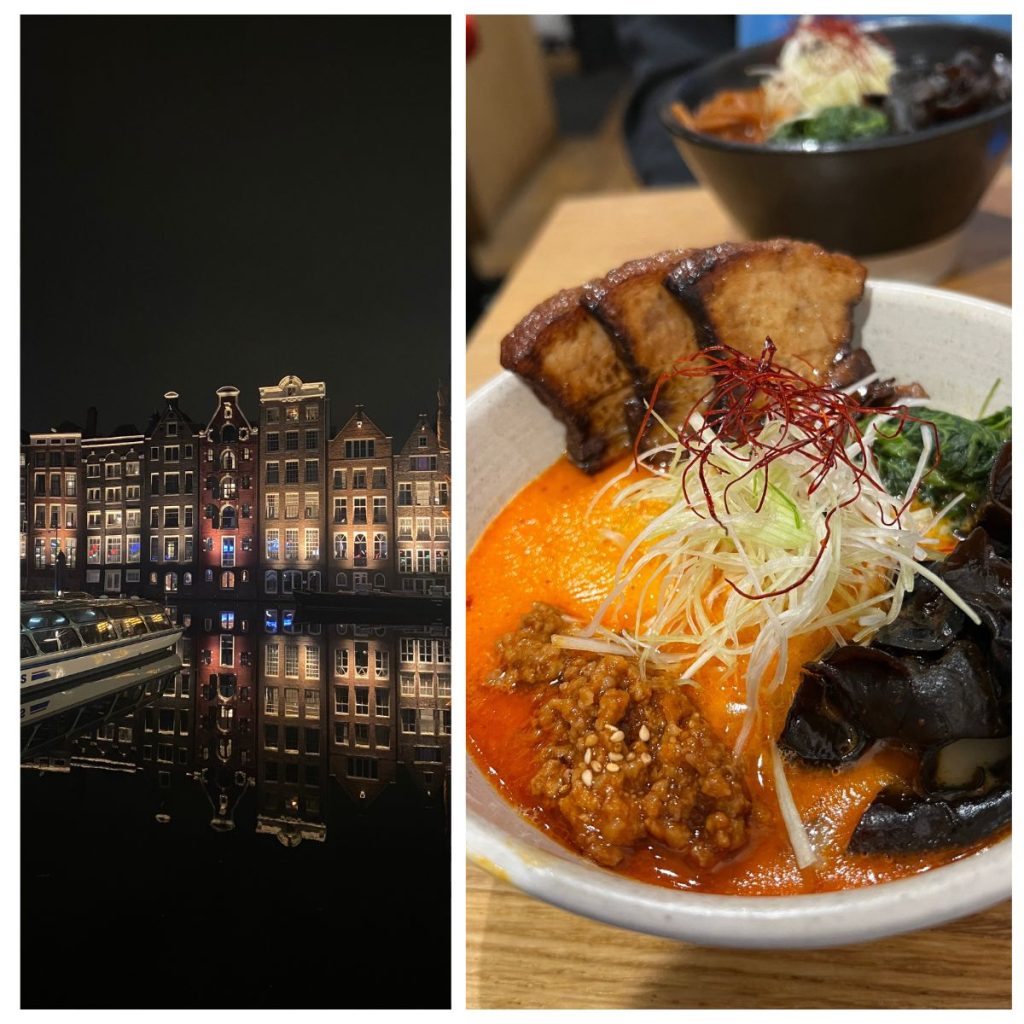

If you’re craving a Dutch breakfast in Amsterdam—broodje after broodje, plus bakery pastries and really good koffie—this is for you.
We curated these half-day “breakfast-to-bakery” tour itineraries based on one thing: they build a morning flow around local breakfast staples and market-bakery culture, then wrap up early so you don’t queue with everyone else.
1. Canal Belt Broodjes & Café Coffee (Classic Morning Dutch)
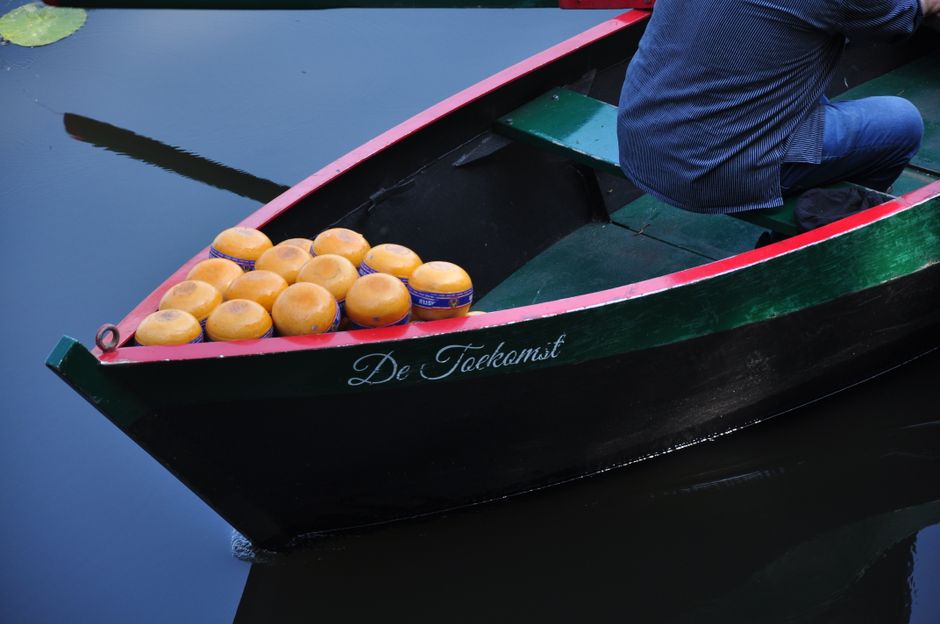
Morning breakfasts in Amsterdam are less about “brunch plates” and more about bread quality: rye or wheat rolls, butter, and a filling you can actually taste. Expect things like broodje kaas (cheese), broodje ham (ham), and broodje gezond (often cheese + ham + salad-y crunch). Then you’ll pivot to bakery culture with a pastry that matches the season.
For the itinerary, think: (1) broodje + koffie, (2) sweet pastry stop (apple tart / butter pastry / cake slice), (3) a second coffee or hot chocolate-style break, and (4) one final “walk-away” bite for later.
To avoid lunch-crowd chaos, aim for an early start and keep your last stop close to where you’ll exit the route. The key is spacing: if you have two sweet stops, do them early, not in the final 45 minutes.
Good to know: On a half-day tour, prioritize cafés where locals stand or move quickly—your group will finish earlier and you’ll get fresher pastries.
2. Jordaan Bakery Walk (Pastry-First, Then Broodje)

We like this one because it balances Dutch everyday comfort with bakery craftsmanship. You’ll typically begin with a pastry that feels unmistakably Dutch (think boterkoek style richness, stroop-like sweetness, or a flaky fruit tart), then move into a broodje stop that’s lighter or more savoury than your first bite.
After that, you’ll do one more coffee moment—coffee is part of the pace here, not just a drink. Many bakeries and cafés serve a small “sit-down” feel, but the culture is still quick: order, eat, and walk on.
To keep it half-day friendly, cap it at 3–4 food moments total. If you add too many stops, you’ll either rush through tastings or end up stuck in lines.
Good to know: Ask your guide to choose “morning-proof” pastries (the ones that hold up for 10–15 minutes on the move).
3. De Pijp Market Breakfast Energy (Market-Bakery Culture)

Start with a broodje that anchors the meal (cheese-forward or ham-forward is usually the easiest Dutch breakfast entry point). Then you pivot into bakery and pastry treats, including items you can treat like “snacks that count” (cakes and tarts are as normal here as bigger pastries).
A good guide will structure the route so you’re not lingering when the crowd peaks. In Amsterdam, markets and busy streets often get more chaotic later in the morning—so the trick is to hit the most popular moments first.
For the finish, choose a nearby coffee place that doesn’t require a long sit. That way you get the last “Dutch morning” hit—fresh koffie—then you’re out before lunch queues.
Good to know: If your tour includes a market stop, look for stalls with quick turnover; that’s a sign the items are fresher and the line moves faster.
4. Old Town “Hofje & Bakery” Route (Quiet Streets, Early Tastings)

Your first taste should be a classic broodje, ideally one that’s balanced (not too sweet) so you don’t get pastry fatigue. Then go for a pastry stop with a clear Dutch identity—apple-based options and butter-heavy cakes tend to be the most “breakfast appropriate.”
The middle of the route is coffee + a small sweet. Finish with either one last pastry bite or a “to-go” cake slice for later. This structure keeps you from hunting for dessert in the lunch crowd.
If you’re booking a guided experience, one practical way to filter is to look for tours explicitly described as “morning” or “breakfast” and that run around 3–4 hours; Viator is one of the places you’ll find those keywords used in listings.
Good to know: When the schedule is half-day, the best tours protect your timing—your final stop should be reachable without backtracking.
5. East Amsterdam Sweet & Savoury (Local-Led Bakery Pace)
For people who want a less “Instagram-clocked” morning, this route leans into local pace. Breakfast here can be just as Dutch—broodje first—but the pastry flow feels a little more relaxed.
Think: a savoury broodje to start, followed by one standout pastry and one smaller “support” bite. Instead of doing three big pastries in a row, you’ll get variety—so the morning stays light enough to enjoy.
Coffee is where this route shines. A good guide will balance strong espresso-style coffee with a longer coffee moment so you don’t feel like you’re constantly sipping. The goal is to keep moving while still tasting properly.
To finish before lunch crowds, plan for your last tasting to happen before the late-morning rush. If your group tends to linger, shorten the walk time between stops rather than shortening the food time.
Good to know: Choose a route where the cafés are close together—East areas can be more spread out, and the best half-day tours keep transfers minimal.
6. West-End “Pastry to Coffee” Half-Day (Fast Lines, Smart Timing)
This is the pick for travellers who want the bakery hits without feeling trapped by waiting. The focus is on smart timing: you start early, you eat your way through a few key pastry moments, and you end while the morning flow is still smooth.
A typical structure works like this: start with a broodje (cheese or ham is the easiest entry), then go to one major pastry stop (something flaky or fruit-based), then do coffee and a smaller sweet finish. That sequence works because it keeps savoury in the front and doesn’t overload you with sugar at the end.
West-end mornings often have plenty of choices, but the crowds can spike quickly near popular streets. That’s why the “tour timing” matters more than the exact variety. A good half-day route moves you away from the busiest lanes at the right moment.
If you’re doing this kind of tour as a couple or small group, it’s also easier to make last-minute swaps (like switching from one pastry type to another) without breaking the schedule.
Good to know: If you’re sensitive to crowds, don’t let the tour add an extra “bonus” stop—use that time to shop casually instead.
Final tips
- Aim for a 3–4 hour breakfast window and finish around mid-day. Even good bakeries get chaotic once lunch energy starts.
- Build variety across the tour: broodje (savoury) + pastry (sweet) + coffee (reset) beats doing 4–5 sweets back-to-back.
- If you’re choosing between routes, prioritize ones that protect walking time and keep your last stop near your exit point.
- Wear comfy shoes. Amsterdam breakfast-to-bakery routes are short in duration but still a lot of walking for tasting.