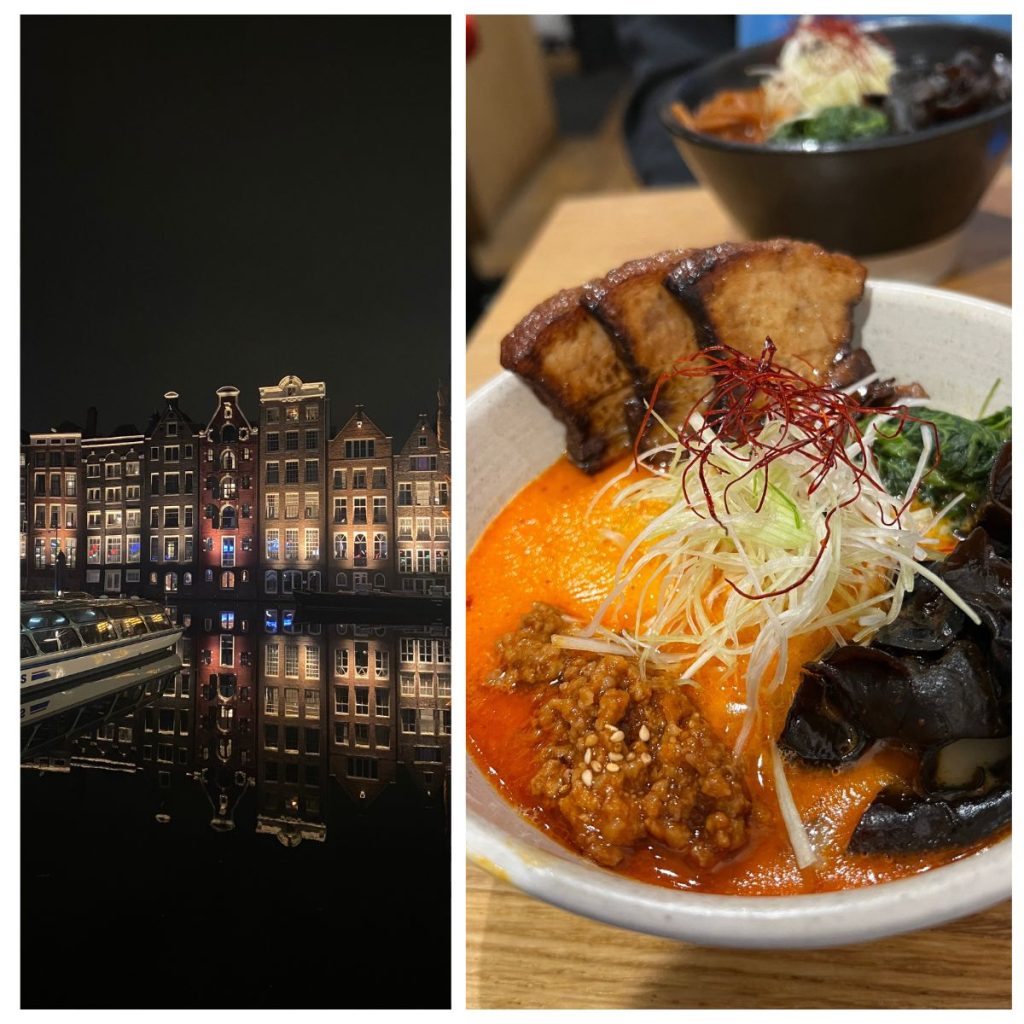

If you’re planning Amsterdam with kids, the secret isn’t “more sights” — it’s pacing. We’ll map out a calm 3-day itinerary that hits a big museum, gives you real park time, and ends with canals, while staying stroller-friendly and planning around nap windows.
We built this around three anchors that are easy to structure: a major museum with timed entry, a playground-rich park, and a canal cruise route that works well in late morning or early evening. We also focus on step-free choices and booking priorities so you don’t lose half a day waiting.
Below, you’ll get an end-to-end plan (what to do when, where to spend time, and how to route with a stroller).
Day 1: Rijksmuseum morning + easy streets

Rijksmuseum (timed entry + stroller strategy)
Aim for a timed ticket early in the day. That reduces the chance you’re arriving when it’s at its busiest, and it makes your pacing easier if you need a bathroom break, snack, or a quick escape.
Inside, don’t follow the museum like a checklist. Instead, pick a short “mission” for each child: one room you’ll do properly, then one fun detour (for example, a costume/painting moment that feels exciting for their age). If your kids are younger, a shorter museum block is usually the win.
For strollers: try to keep your route simple. Plan to enter, pick a loop, and exit near where you can quickly regroup outside. If you have to switch direction, do it once (not five times) so your stroller doesn’t become a moving obstacle.
Good to know: If you can, keep the museum block to a set amount of time (think “one main area + one short extra”), then leave before you’re all overstimulated.
Lunch + reset (keep it close to your museum area)
After the museum, give everyone a reset. This is when you’ll benefit most from a proper lunch and a short walk to “shake it off” without committing to another big indoor program.
Try to choose a spot where you can step out of the flow quickly if someone needs a quiet minute. Kids often get more tired after transitions (new rooms, new sounds), so treat lunch as part of the schedule, not a stop you’re rushing through.
Practical move: Have a small snack ready right after lunch. That’s your buffer for the “we’re fine… until we’re not” moment.
Evening: canal-side stroll for everyone
In the evening, keep it gentle: a canal-side walk is stroller-friendly in general because the paths tend to be more level and the walking distance is flexible.
If your kids nap, this is also a good time to let them finish a nap in the open air before dinner. If they don’t nap, aim for a shorter evening walk and an earlier bedtime — Amsterdam evenings can feel long when you’re overtired.
Day 2: Vondelpark for real playground energy

Vondelpark (playground + open space)
Spend the morning to early afternoon here. You’re not trying to “do” the park; you’re using it as your active day.
Choose one clear “anchor” for the kids — for example, a playground area — and then allow time for wandering around it. The goal is to keep everyone moving without forcing the same route every 15 minutes.
Stroller pacing tip: You’ll walk more than you think in a park, especially if you’re detouring to points of interest. Build in short stops (water, snack, bathroom) before kids ask, not after.
Good to know: Parks are easiest with a schedule that includes a “main activity block” (play) and a “drift block” (wandering). That way you’re not negotiating every time you turn.
Midday nap planning (don’t fight it)
With kids, nap times are like weather: you can’t always control them, but you can plan around them.
If your child naps, treat the park as a “lead-up.” Go to the park, spend enough time to get them settled, then head back to a quieter spot when they show early sleep signals (slower attention, rubbing eyes, reduced interest).
If your child doesn’t nap, switch to calm activities: reading time, snacks, and a slower stroll along park edges. Overtired kids often get worse when you keep insisting on “one more thing.”
Afternoon: gentle city time, not another big attraction
After the park, keep the rest of the day light. Think: short walks, casual browsing, and a relaxed dinner. If you still have energy, you can do canals again — just don’t stack two “big” activities back-to-back.
Tip: If you’re strollering, try to keep your afternoon route mostly in wider streets and public areas where you can turn without squeezing between parked bikes.
Day 3: Canal cruise + a calm final day

Canal boat cruise (choose the timing that matches your kids)
Pick a cruise time when kids are typically happiest — often late morning or early afternoon, but this depends on your nap routine.
If you have a stroller: check the operator’s rules in advance. Some boats allow strollers only in certain areas or require folding. You’ll save stress by knowing the expectations before you arrive.
Once you’re on board, keep the experience kid-friendly: give them a small “job” (spot a certain bridge, watch the reflections, point at boats). Kids can feel engaged quickly when they have a simple task.
Good to know: For easier boarding and unboarding, aim to arrive a little earlier than you think. With kids, the 10–15 minutes of buffer matters.
Lunch + “wrap-up” stroll
After the cruise, you’ll probably want food and a relaxed walk. Choose a route where you can easily shorten or extend depending on energy levels.
If someone needs a bathroom break, don’t try to “power through” until you’re back at your original route. Build that flexibility into the plan by keeping your walking time moderate.
Final moments: souvenirs that don’t overstimulate
For the last part of the day, go for small, low-effort souvenirs: something practical for home (like a snack item or a simple kids’ keepsake). Avoid long shopping detours if your kids are already in wind-down mode.
Booking priorities & step-free routing (so your day actually runs)

1) Book the museum first (timed tickets beat “we’ll see”)
If you only “plan ahead” for one thing, make it your museum entry. Timed tickets help you match the visit to your kids’ energy, and they reduce waiting.
For Rijksmuseum specifically:
- Choose a time window that avoids the middle of the day if your kids tire quickly.
- Plan your day around the entry time, not the other way around.
2) Build step-free routes into your walking plan
Step-free doesn’t mean “no changes.” It means you choose routes where ramps, lifts, and smoother surfaces are available when you need them.
Practical routing rules we follow when traveling with kids:
- Prefer wider streets and routes where you won’t have to constantly navigate bike congestion.
- Avoid committing to cobbled lanes if you can’t keep the stroller stable.
- When you reach a tricky point, stop and re-route immediately instead of forcing it.
3) Transportation: pick the option that reduces transfers
With kids, fewer transfers usually means less stress. If you’re taking public transport, try to plan routes that don’t require swapping lines multiple times.
Also, keep your timing realistic. Trams and streets can be busy around schools and late afternoons. If you’re traveling with a stroller, choose a time slot when crowds are thinner.
Good to know: If step-free access is essential for your specific stroller setup, check the route features before you go and keep an “escape route” back to your original area.
Pacing for stroller time and nap time (the part that saves the trip)
A great kids’ itinerary isn’t about what you do — it’s about how long you stay in each mode: big activity, quiet reset, snack, play, repeat.
Use a simple day rhythm
Most families do well with this rhythm:
- Morning: one structured activity (museum or cruise).
- Midday: food + quiet reset.
- Afternoon: park/play + flexible walking.
- Evening: calm wrap-up and earlier bedtime.
Decide your “nap fallback” before you need it
Before the day starts, decide what you’ll do if nap time happens earlier or later.
- If naps happen early: plan for a shorter morning activity and a longer quiet window.
- If naps don’t happen: plan for calm time where your child can rest in the stroller (even if they don’t fully sleep).
Build in snack and bathroom buffers
Kids don’t just get hungry — they get hungry at unpredictable times. And bathroom breaks in a new city always take longer.
So schedule the buffers:
- One planned snack moment around late morning.
- One after your main indoor block.
- A bathroom check-in right before you commit to a longer walking segment.
Keep expectations age-appropriate
For younger kids, the “win” might be 45–60 minutes in a museum zone, followed by play outside. For older kids, you can stretch the museum block and add small challenges.
Either way: if you try to “see everything,” you’ll all feel it.
Final tips
- Keep the itinerary anchored to three big experiences (Rijksmuseum, Vondelpark, and a canal cruise) and treat everything else as flexible walking.
- Book the museum timed entry in advance, and choose the day based on your kids’ energy, not on “what’s popular.”
- Plan step-free routes and fewer transfers — Amsterdam is doable with strollers when the transitions are calm.
- Build your days around naps and snack buffers. That’s what makes Amsterdam feel gezellig (cozy) instead of chaotic.