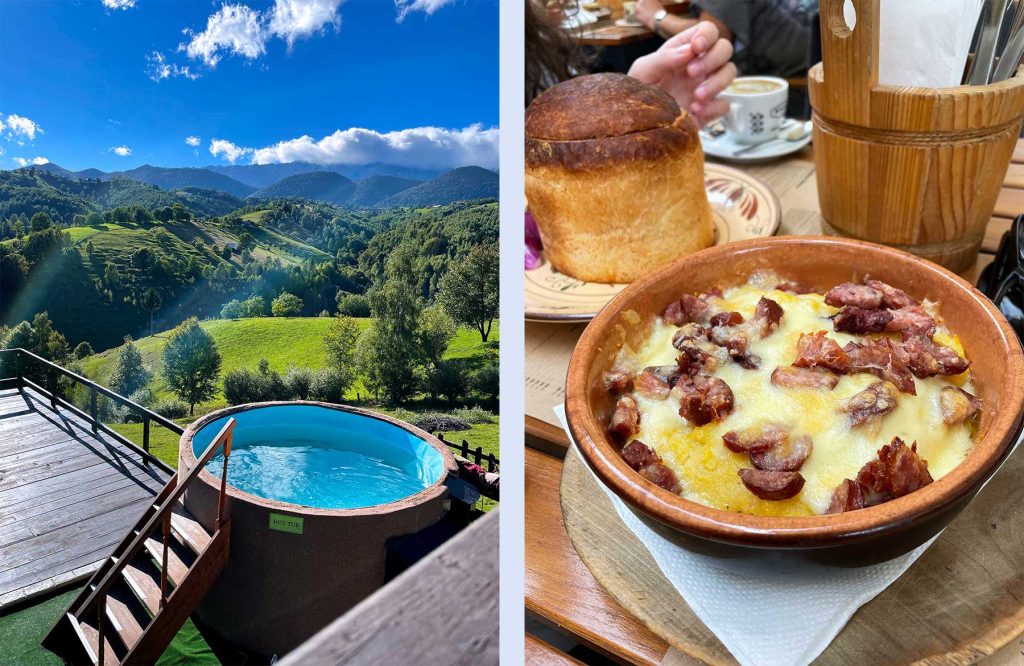


If you’re heading to Peleș Castle (Peleș a.k.a. “the one with the storybook rooms and the insane interior details”), this is the guide for you. You’ll learn how timed tickets typically work, how to book online, when it’s smartest to visit, and which parts of the castle to prioritize.
We built this list around what visitors consistently get the most “wow per minute” from: the most distinctive halls/styles inside the castle and the pieces of the visit that tend to be hard to see if you only look at the main rooms. Ticket details change a bit by season, so we focus on the practical approach you can use every time.
1. German Renaissance Hall – The “most iconic” style room
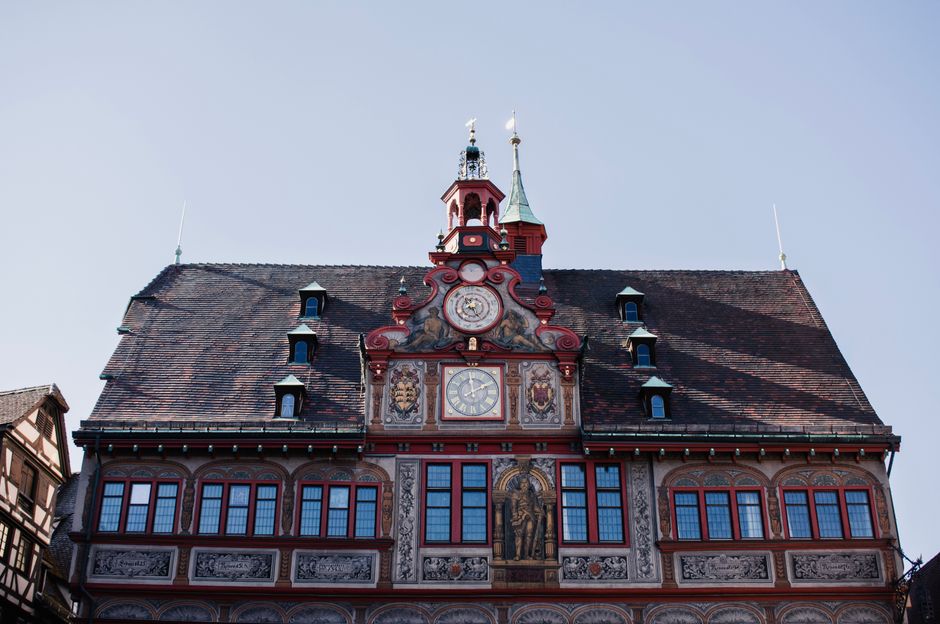
On most guided routes, this room is passed through as part of a curated sequence. If you’re doing a short tour, it’s the kind of stop you don’t want to miss—so plan your timing to arrive calm, not sprinting.
If you care about photos: aim for a slow walk inside and frame with the doorways/arches, not just the furniture. The hall’s proportions look best from just inside the entrance.
Good to know: If your tour includes a coat check (or seating rules), take care of it before the highlight rooms start—your guide may not pause the group.
2. Hall of Honour – The central “main character” room
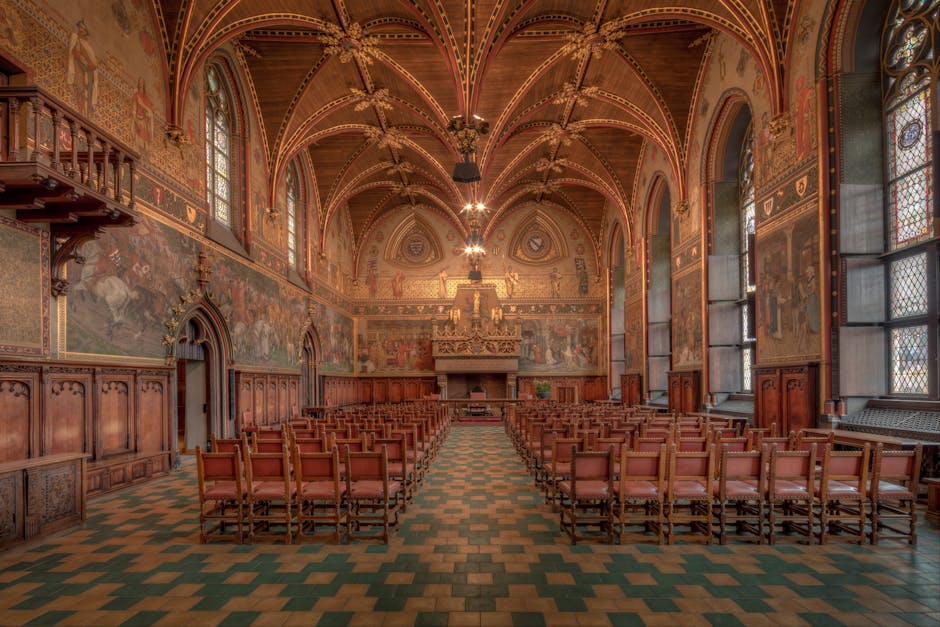
Because it’s central, it often anchors the route. Even if you don’t remember every room name, you usually remember this one—especially for its scale and how light moves across surfaces.
We recommend approaching it with patience: don’t just do a quick glance and move on. Take 30–60 seconds to look up and then back down—this is where many visitors notice details they missed at first.
Good to know: Tours move in groups, so the best photos are usually the first moments once everyone has stopped—after that, people block your angle.
3. Moorish Hall – When the palace goes unexpected
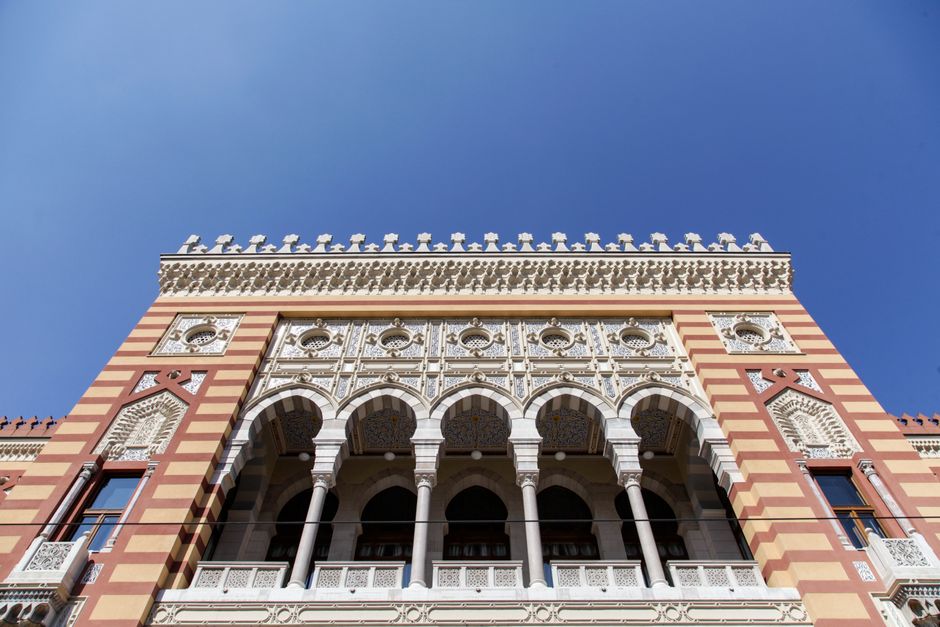
If you’re visiting with kids or someone who normally zones out on museums, this is the stop that often brings them back. It’s a clear visual pivot in the tour.
If your tour language is one you’re less comfortable with, you can still enjoy this room without following every sentence—just watch for the pattern and material changes across the walls.
Good to know: If the group is large, position yourself slightly to the side of the main path so you can see wall details without blocking others.
4. Royal Apartments – The “how they actually lived” layer
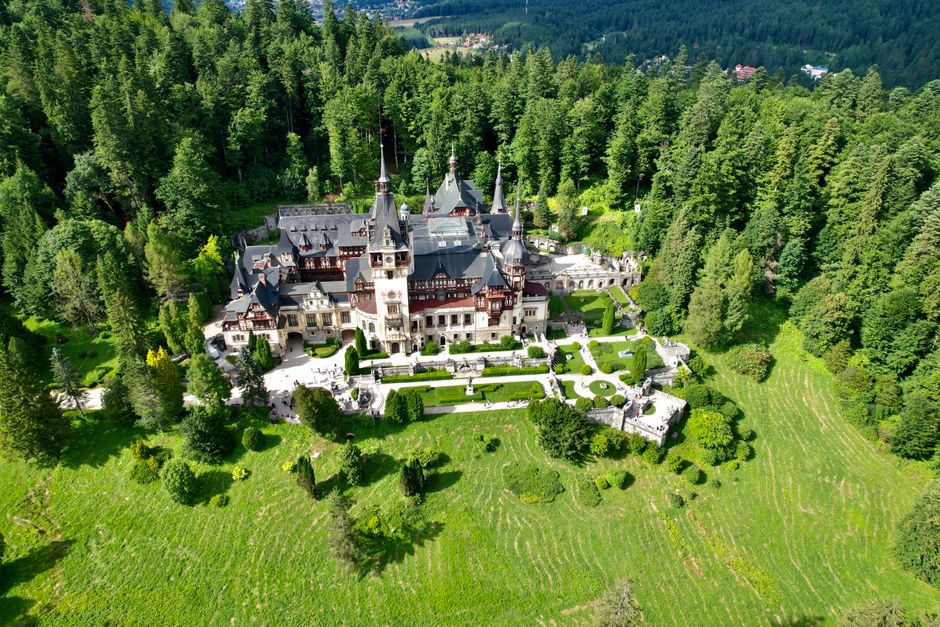
This is also where many people realize the visit isn’t just about one or two rooms. The apartment route usually includes several connected spaces, so going slowly here helps you avoid missing furniture and decorative elements.
If you’re sensitive to crowds, this is one of the better spots to “take a breath” because it’s often not the single most crowded photo moment of the entire visit.
Good to know: Wear comfortable shoes—apartment hallways can feel longer than you expect once you’re walking at tour pace.
5. Music Room – The elegant pause
The Music Room tends to be a highlight for people who love atmosphere. It’s typically quieter-feeling than the big halls, and it’s where the castle’s elegance shows in a more intimate way.
If you’re choosing between tours (for example, different languages), prioritize the one you can enjoy calmly—because the Music Room rewards lingering. Don’t rush past it just because it’s “not the biggest.”
Even if you don’t care about music history, treat it like a design room: look at how the furnishings, surfaces, and lighting are composed.
Good to know: If you want the best shots, wait for a natural gap in foot traffic—this room often has fewer “rush” moments than the central hall.
6. Armory & Arms Collection – For the detail lovers
Peleș isn’t only about rooms; it also has a collection side. The Armory / arms-focused spaces are worth prioritizing if you like craftsmanship, metalwork, and historical objects that feel “real,” not only decorative.
Tours don’t always linger long here, so this is one of the stops where your strategy matters. If you’re on a tighter schedule, make sure you’re ready to focus during the armory section rather than spending that energy on the easiest-to-photograph rooms.
Because it’s detail-heavy, it’s also a great “reset” for people who feel museums are too repetitive. You’ll probably spot motifs and craftsmanship you didn’t expect.
Good to know: Look for the labels but also zoom in with your eyes—many designs are easiest to notice when you slow down for a second.
7. Florentine Hall – The style finale that sticks
The Florentine Hall is one of the rooms that helps the tour end with that “now I get it” feeling. It’s visually distinct, more ornate, and it often feels like a finishing note after the earlier highlight rooms.
This is a good choice for travelers who want variety without building a whole itinerary around each niche interest. You’ll leave with a stronger sense of Peleș as a design collection, not just a single-theme palace.
If you’re pairing this visit with Sinaia (especially in warmer months), try to keep this last stop intentional. Don’t arrive late or you risk missing parts of the interior route.
Good to know: If you feel the tour is moving quickly, use the first hallrooms to get your bearings—then you can slow down in the finishing room.
When to Go – Crowd level and the best time slots
Peleș is busiest in summer (roughly late June to August) and on weekends. If you want the most comfortable experience inside the rooms, aim for shoulder season or early entry time slots.
The simplest crowd rule
Go early in the day, especially for timed tours. Midday tends to attract tour groups, and the castle interior becomes a bit more stop-and-go.
Seasons in plain terms
- Spring and early autumn: comfortable temperatures and generally easier pacing.
- Summer: more tours, more visitors, but longer daylight for pairing with Sinaia’s other sights.
- Winter: quieter atmosphere, but plan for colder conditions outside and double-check which parts of the route operate.
What to avoid
Avoid arriving late to your time slot. Even a small delay can push you into the next group, and you’ll lose the chance to linger in the highlight rooms.
Good to know: If you have flexibility, choose weekdays over weekends whenever possible.
How to Book Online – Ticket types explained (without confusion)
Most Peleș Castle tickets work as timed entry for a guided route. You generally don’t roam freely through the whole building—your “ticket type” usually means the tour format (language/group size/route length) and the time you enter.
What “ticket type” usually refers to
In practice, you’ll see variations like:
- Different tour languages (English vs. others)
- Fixed time slots (you enter at a specific hour)
- Shorter vs. longer routes on some dates
- Occasional special access depending on season or maintenance
If the website shows route details, prioritize what matches your pace: longer routes are great if you like lingering, while shorter ones help if you’re pairing with Sinaia or Bran the same day.
The online booking approach that works
- Pick your date and time slot first (crowd control).
- Choose the language you’ll actually enjoy during the guided part.
- Double-check whether your ticket is for a specific route length.
- Save your confirmation details for the entrance.
If the official availability is sold out for your preferred time, Tiqets can sometimes show timed options from third-party listings, which is useful when you’re working with a tight itinerary.
Good to know: Booking is about “time slot + route,” not just a single admission—so treat your selection like an itinerary decision.
Pairing Peleș With Sinaia or Bran – The smooth itinerary logic
Peleș is in Sinaia, so pairing with Sinaia is the easiest, least stressful move. Bran is doable too, but it usually works best as a two-day plan rather than a last-minute same-day rush.
If you’re doing Sinaia (recommended)
Plan Peleș as a morning or early afternoon anchor, then add one or two nearby stops. Sinaia’s center and viewpoints are perfect for a relaxed second half of the day.
A common local flow is: Peleș Castle → nearby gardens/viewpoints or the quieter sights in town → a late lunch or coffee.
If you’re doing Bran (when you should think twice)
Bran tends to be farther and busier with day-trippers. If you go from Peleș to Bran on the same day, keep your expectations realistic: you’ll spend more time on the road, and you may not enjoy the castle visit as slowly as you want.
If you can, do it like this:
- Day 1: Sinaia + Peleș (interiors at a comfortable pace)
- Day 2: Bran (and any other nearby stops)
The “one-day” version (only if you must)
If you only have one day and you’re determined to include both, choose a very early Peleș slot. That way, you reduce the risk of spending the best interior hours in a crowd.
Good to know: Always protect your Peleș entry time first—moving Bran around is easier than losing your timed ticket.
Final tips
- Arrive a bit early so you can settle before the guided route starts.
- Prioritize the rooms above if you’re on a shorter tour or a busy day.
- If you’re pairing with Bran, treat it like a timing challenge, not an add-on.
- Save your plan: screenshot your ticket confirmation and tour time so you’re not relying on spotty phone signal at the entrance.