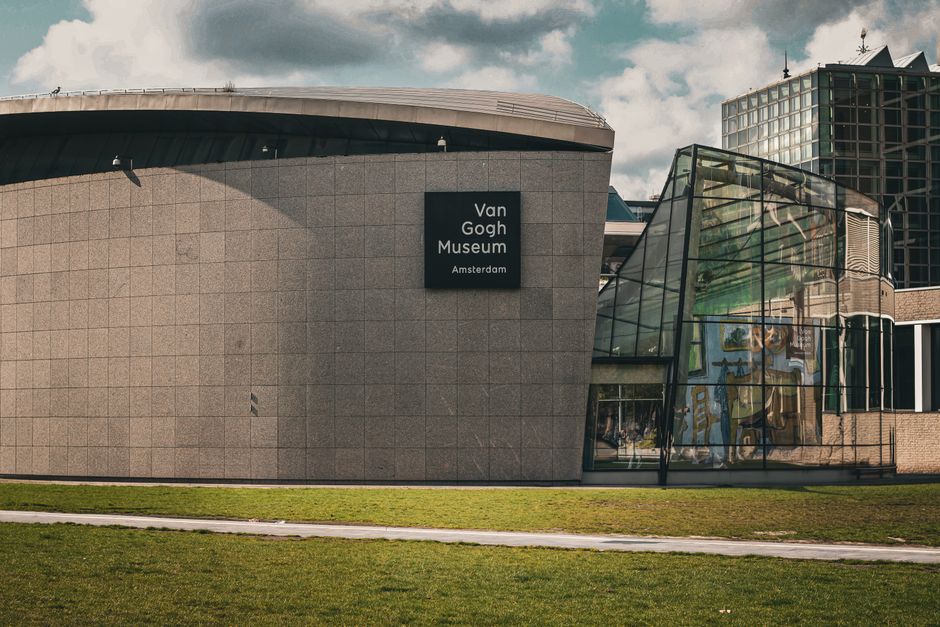
If you’re going to the Van Gogh Museum and want the smoothest entry, choose a timed-entry ticket for a slot you can actually keep. You’ll get a planned flow through the museum, and you avoid the “queue lottery” on busy days.
We wrote this guide for first-timers and repeat visitors who want to do more than just rush through the famous paintings. We’ll focus on ticket types (timed entry vs bundles), best arrival time, accessibility, and a smarter route that helps you spot the galleries most people overlook on their first pass.
1. Van Gogh Museum Tickets (How to Book)

You may also see bundle-style options. In practice, these are usually “museum entry plus something extra,” such as access to a particular special exhibition or an add-on that changes what’s included for your day. The key is that bundles are still tied to entry rules—so always check what your ticket includes (permanent collection only vs permanent + special exhibition) and whether you still have a timed slot.
If you’re dealing with sold-out dates, you might come across timed tickets sold by resellers. In those situations, Tiqets can be a fallback, but treat it as a “verify the details” option: confirm the included exhibitions and that your slot is actually for the Van Gogh Museum.
How to book (and how early)
Book as soon as you know your date—busy periods (school holidays and weekends) tend to move fast. If you’re flexible, mid-week mornings are often easier than Saturday afternoons.
When you’re booking, double-check three things:
- The date and the time slot (timed entry matters)
- What exactly is included (permanent collection only vs special exhibitions)
- Whether your ticket is for “museum” access in general or a specific add-on
Best arrival time (so you don’t lose paintings to queues)
For timed-entry tickets, plan to arrive about 10–20 minutes before your slot. That buffer gives you time for:
- coat/bag checks and security
- finding the right entrance or check-in point
- settling in so you can start your route without stress
Arriving much earlier than your slot can sometimes backfire if you end up waiting at the point of entry. Arriving late usually creates a shorter visit and can mean you’re asked to wait for the next workable moment.
Good to know: If you’re visiting with mobility needs, arriving slightly earlier (within that same 10–20 minute buffer) can reduce the chance you’ll feel rushed once you’re at the front of the line.
2. What to Expect Inside (Your first 60–90 minutes)

A smart move is to decide on a loose order before you commit: start with the big, high-energy rooms, then intentionally switch to the calmer “paper” spaces (drawings/prints/letters) after you’ve had your first painting fix.
The highlights you’ll feel like you “should” see
Even if you know the famous works, seeing them in person still takes a moment. Expect a lot of visitors clustering around the most iconic rooms, especially where the lighting and viewing angles are very popular.
To keep it enjoyable, let the crowd guide your timing rather than your route. If one room is packed, step forward for a quick look and then move to the next area—your second pass will be more comfortable.
Rooms visitors often miss on the first pass
The most commonly missed areas tend to be the quieter, context-heavy rooms. On your first visit, look out for:
- Drawings, prints, and other “on paper” collections: people remember the paintings and forget that Van Gogh’s works on paper show process and ideas.
- Letters and study spaces: these give emotional and historical context and break the “just paintings” rhythm.
- Temporary exhibition galleries: even if you’re not there for them, they can be worth carving out time for—especially if you’re visiting on a date when something is running.
A practical route tip: after your first major painting section, look for the signs that point toward the study/works-on-paper areas and the letter-related displays. They often feel like a detour, but they’re exactly what makes a first visit feel richer.
Good to know: If you only have 60–75 minutes, focus on “paintings first, then one context area” rather than trying to do every single room in one sweep.
3. Which Tickets Let You See What (So nothing important slips)
- The permanent collection (the core galleries that most tickets are designed to cover)
- Special exhibitions (rotating content that may or may not be included depending on the ticket type)
If you choose a bundle, it’s usually because you want certainty about one of those extra layers—so read what’s included before you walk in.
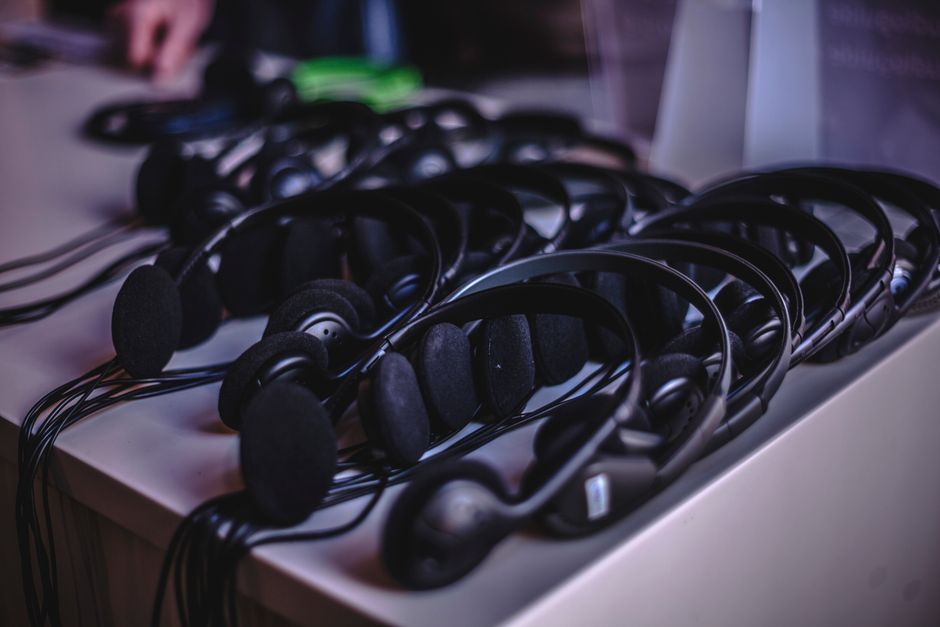
Audio guides and language needs
If you want extra context, audio guides can help you pace your visit. If you’re traveling with kids or prefer shorter explanations, you can also use language options to match your group’s comfort level.
Keep in mind that audio guides can slow you down if you stop at every station. If you’re trying to see a lot, choose a few must-see works and listen to those first.
Accessibility requests: what to check before you go
Accessibility is often handled best when you plan ahead. Check whether there are specific entry procedures for mobility needs or assistance on arrival. Even if the museum is generally accessible, it’s smart to confirm any details that matter for your group.
Good to know: If you use a wheelchair or mobility aid, don’t assume that every bottleneck will feel the same—popular rooms can still be crowded, so plan for a slower pace and more time.
4. Accessibility and Comfort
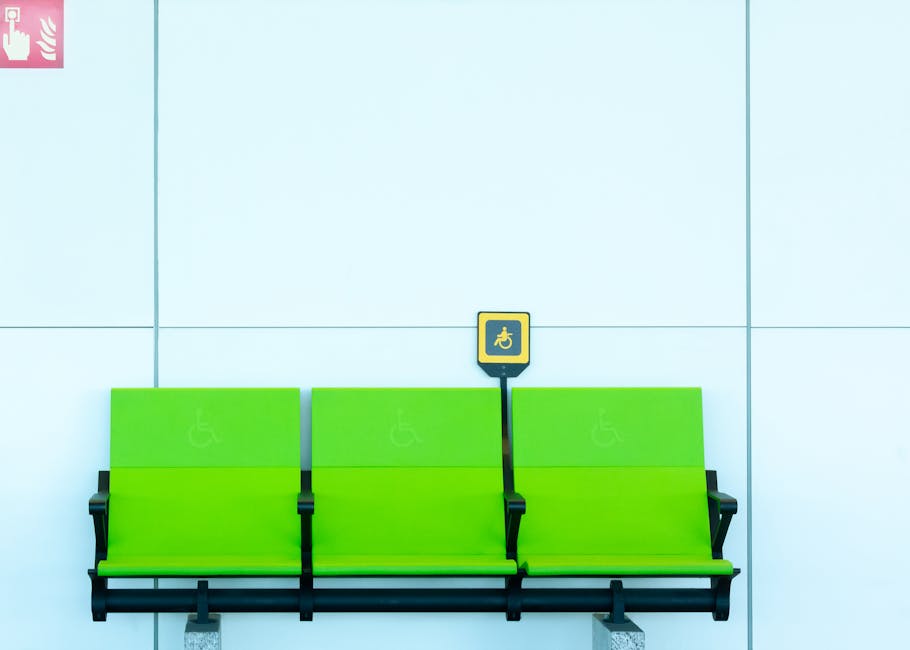
- elevators/lifts for changing levels
- step-free paths from entrance areas to the galleries you care about
- where seating is available if you need breaks
When in doubt, ask staff to point you to the most direct step-free route to the galleries you’re most interested in.
Wheelchairs, mobility aids, and restrooms
You should expect to manage crowds the same way you would on the street: slower movement, turning rooms more deliberately, and choosing quieter moments to pass through busy areas.
For restrooms and seating, look for the signs when you enter the museum rather than relying on memory. It’s much easier to adjust your route when you know where you can pause.
Quiet breaks without losing your visit
If you’re sensitive to noise or just need a reset, plan micro-breaks. The “paper” areas (drawings/letters/prints) are often a calmer choice than the most iconic painting rooms.
Good to know: Build your plan around your energy, not just your checklist. Many visitors enjoy the museum more when they accept a “two-zone strategy” instead of trying to see everything end-to-end.
5. Common Mistakes (and how to avoid them)
Showing up too early or too late
Timed entry is about matching your arrival to the museum’s flow. Arriving 30–60 minutes early can sometimes mean additional waiting. Arriving after your slot can shorten your experience or force you into a delayed route.
Your best bet: arrive 10–20 minutes before your slot, then start your route.
Buying the wrong ticket type for special exhibitions
This is the biggest booking-related confusion: people buy a ticket that covers the museum but not the specific special exhibition they were hoping to see (or vice versa).
Before you finalize, check the ticket details for:
- whether special exhibitions are included
- whether you still need a timed slot for everything included
Not allowing time for security and coat/bag checks
Even experienced visitors forget that entry logistics are part of the museum experience. Give yourself enough margin so you’re not trying to catch your favorite paintings while you’re still settling in.
Good to know: If you travel with a larger bag, expect extra time. A calm start makes the rest of the visit easier.
Final tips
- Pick a timed slot you can realistically keep, and arrive 10–20 minutes early.
- If you want the full experience, plan a deliberate stop in the quieter study/context areas (drawings/prints/letters), not only the iconic painting galleries.
- For accessibility, ask staff for the most direct step-free route to your top rooms—crowds can affect comfort just as much as steps do.