

If you’re planning the classic Amsterdam-to-Keukenhof day trip by car, the biggest challenge isn’t the distance—it’s the tulip-season traffic and the parking queues right at the end of your drive.
This guide is for you if you want a stress-free route, know when to arrive, and understand how the parking works in practice (including what to do when the closest lot is full). We focused on what locals and regular visitors actually do during peak weeks: arrive early, park smart, and don’t get trapped in a slow exit.
1. Keukenhof by car – the easiest crowd-control plan
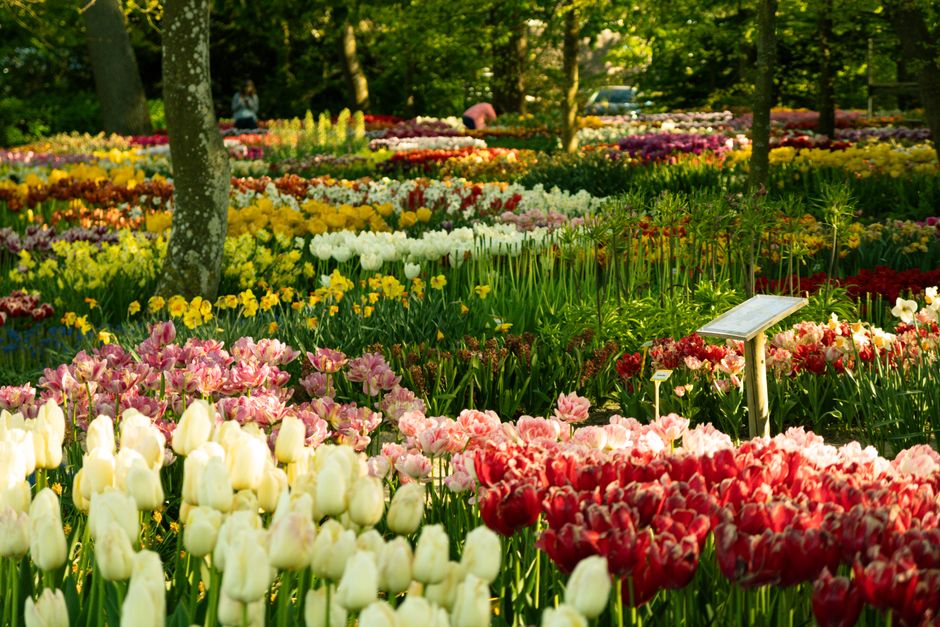
Plan to drive to Lisse (Keukenhof’s area) a bit earlier than you think you need. If you arrive right when everyone else does, you’ll spend time inching forward in traffic and then again during the parking walk.
For crowd control, the best approach is to treat “parking” as two stages: (1) get to the official Keukenhof parking area, and (2) choose the lot that still has space and gets you closest enough to your entrance within your time budget.
Then have a return plan before you even leave Amsterdam. Peak traffic can build quickly on the roads around Lisse, so your exit timing matters as much as your arrival timing.
Good to know: If your satnav starts showing long delays near Keukenhof, stop “hoping it will clear” and follow the on-site parking signs to the next available lot instead of circling.
Drive time variability (and how long it really takes)

Typical drive time: roughly 40–60 minutes when roads are flowing.
Peak-season reality: during busy weeks and weekends, plan for 60–120 minutes. The variability is mainly in the approach to Lisse and around the parking roads—traffic there tends to surge and then drain in waves.
What makes it worse:
- Weekend + sunny weather: more day-trippers show up at the same time.
- School holidays: extra family traffic across the region.
- Late arrivals: you join the biggest parking queues that form when the park is already near its busiest entry windows.
Our practical advice: always use live traffic on your navigation, but also treat it as a “range,” not a promise. If it says 50 minutes and you’re heading in the middle of the morning rush, assume you might land closer to 75–90.
Best arrival windows (when to go to beat the queues)

Because opening hours can change by season, check the official Keukenhof schedule for the exact day you go. Then use these crowd-control rules:
Arrive early (the sweet spot)
Aim to be at the parking/entrance area around opening or shortly after. This usually gives you:
- less congestion on the road into the area,
- fewer cars competing for spaces,
- shorter walking queues once you park.
Avoid late morning and “after lunch” waves
If you can, skip arrivals that land mid/late morning on a weekend, and especially avoid the early afternoon rush. Those tend to be the moments when parking fills up and visitors start spreading out into the same visible routes.
Weekdays usually feel calmer
If you have flexibility, go Monday–Friday during peak tulip weeks. The drive can still slow down, but you’ll generally get better parking odds and a smoother return.
If you’re doing it on a weekend
Treat weekends like a strategy game:
- arrive at your earliest feasible moment,
- park quickly when you find a lot with space,
- don’t plan long “let’s see if it empties” detours.
Parking: which lots work in practice (without wasting time)
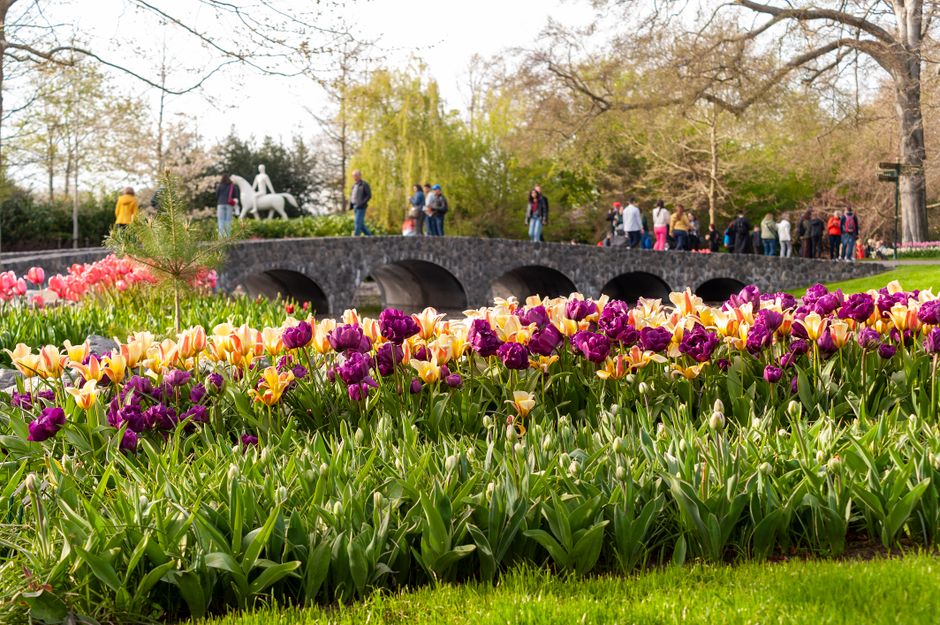
What to follow on the road
When you get close to the park, don’t rely on distance alone. Follow:
- the on-road signs directing you to the available parking lots,
- the parking staff instructions (they manage the flow so you don’t block other cars),
- the lot that says open/space available, even if it’s not the nearest one.
Closest lot: best when it’s open
The lot closest to the entrance is the easiest choice when it has space. But during peak demand, it can fill quickly, and then you end up creeping forward trying to get in.
If you notice a dense queue and you’re not making progress, it’s usually faster to take the next lot that’s still admitting cars.
Overflow lots: best when you want guaranteed parking
If the closest lot is full, overflow lots work well in practice because:
- you still park within the official Keukenhof system,
- you avoid getting stuck in a “parking grid” situation,
- you can walk or use a short connection (depending on what’s running that day).
The practical takeaway: an extra few minutes to park often saves you more time than waiting for the perfect lot.
Don’t circle—commit once you’ve chosen a lot
A common mistake is driving past a lot that looks “almost full,” then trying to find a better option. That often costs time because you lose your lane position and the queue pattern resets.
Instead:
- decide quickly,
- park as soon as you’re in an open lot,
- plan your walk/route inside the gardens from that point.
Quick “parking checklist” for the day
- Keep your phone ready so you can find your car location easily.
- Check that your ticket/entry setup is ready before you leave the car.
- If you brought a stroller or extra gear, consider parking closer if it’s genuinely still open—otherwise overflow lots are fine.
Return plan if traffic builds (so you don’t get stuck)
The exit is where tulip-day stress often happens. Everyone leaves at once, and the roads around Lisse can tighten up quickly.
Leave earlier than you think
If you want a smoother drive back, the best return plan is to leave before the final rush. That usually means wrapping up your visit a bit earlier rather than waiting until the very end.
Watch the “queue pattern,” not just your map
Your navigation app might only tell you the final delay at the moment you start the drive. Instead, pay attention to:
- how quickly the line into the exit lane is growing,
- whether cars are stopping repeatedly at the same choke point.
If it’s clearly building, your best move is to exit sooner, even if it means reducing your last-minute photo stops.
Use live routing, but keep one rule: follow progress
When you start the car, let your satnav pick the best route, but don’t keep turning around every few minutes. If you’ve chosen a direction and it’s moving, stay with it. Constant rerouting can make you lose time.
If you must drive back during peak: pick the calmest moment
If you end up returning later in the day (for example because you can’t leave early), try to avoid the exact period when mass groups typically disperse. The most consistent strategy is still: drive back immediately after you’re done, not “when it feels like it.”
Final tips
- Check official Keukenhof opening hours for your travel date, then plan to arrive at opening or shortly after.
- Use live traffic, but build buffer into your schedule—Amsterdam-to-Lisse can jump from ~1 hour to 1.5–2 hours during peaks.
- When parking is busy, don’t hunt for perfection. Take the next official lot that has space and move on.
- For the return, aim to leave before the last-hour rush to avoid the worst road slowdowns.