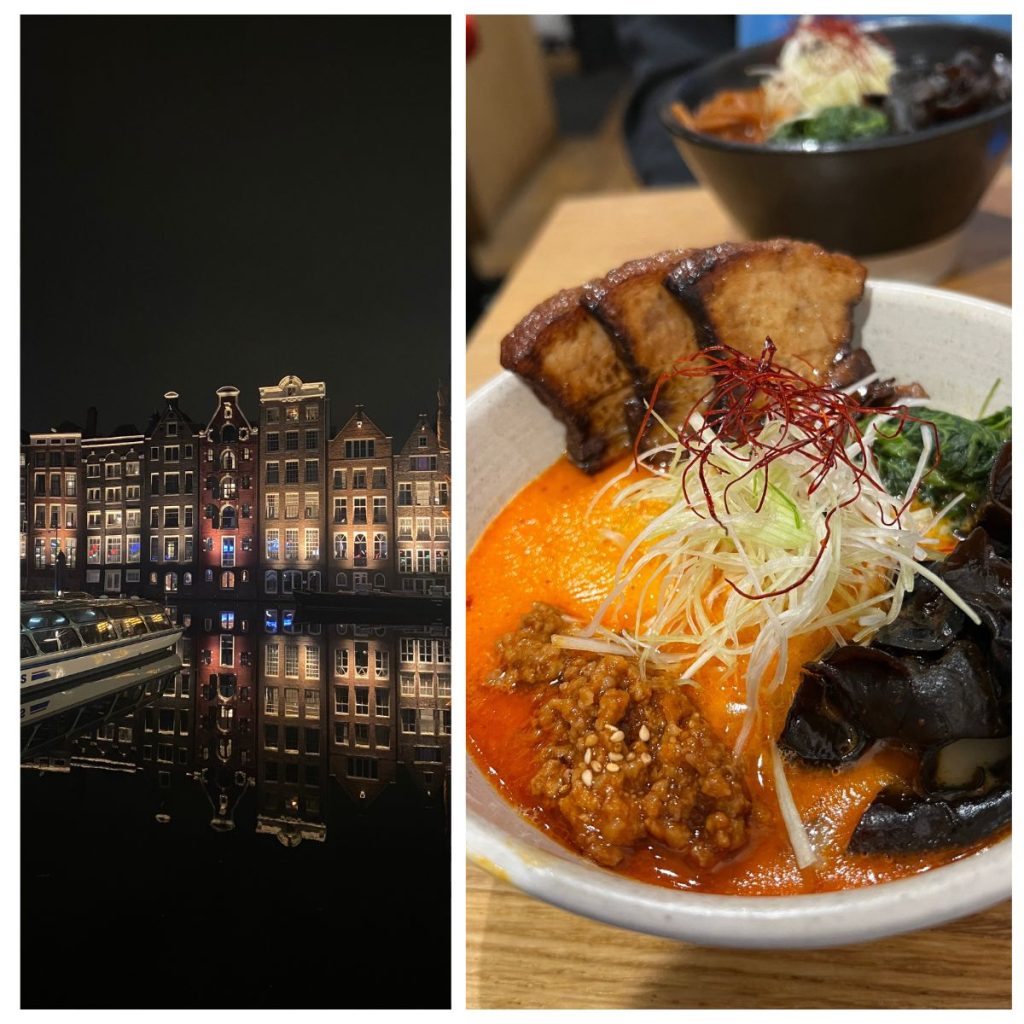

If you’re planning museum days and then long, relaxed walking nights, your best Amsterdam choice is the one that keeps you out of trams as much as possible. In practice, “without tram stairs” usually means: walk between museums and dinner, and when you do travel, prefer options with smoother boarding than trams.
We picked these neighborhoods based on two things: (1) how easily you can reach the Museumplein cluster (Rijksmuseum, Van Gogh Museum, Stedelijk Museum area) on foot, and (2) whether your evenings stay walkable, so you’re not relying on a tram ride back over and over. De Pijp, Museumplein, and Rivierenbuurt are the three strongest contenders—then we added a couple of good alternatives depending on the vibe you want.
1. De Pijp – Museumplein by foot + metro for “quick hops”
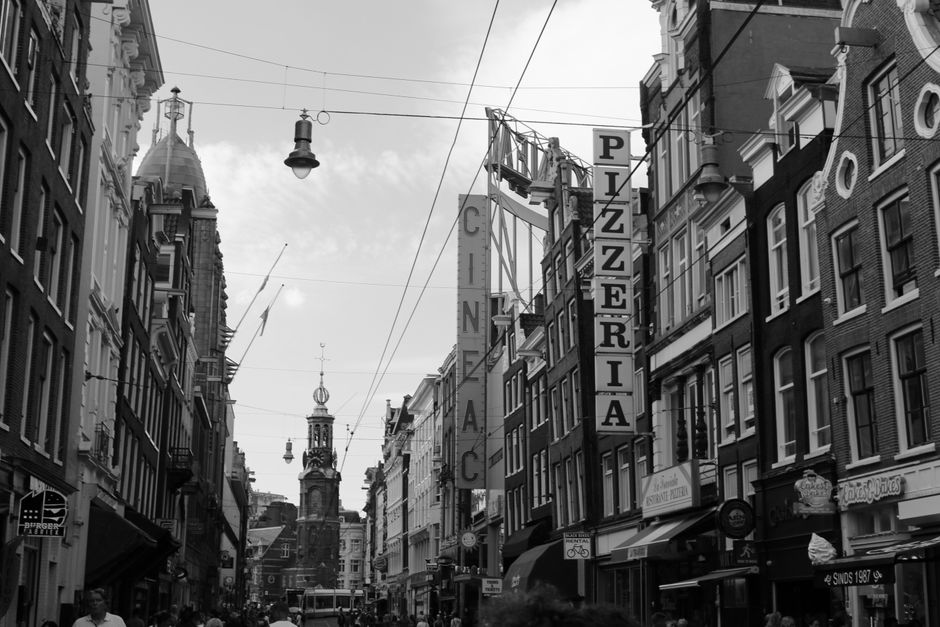
Daytime, you can combine museums with a proper neighborhood stroll: start in the Museumplein area, then work your way back toward De Pijp via routes around Vondelpark edges and residential streets. The key advantage is that you don’t have to “ride the tram to make it work.”
Nights are also where De Pijp shines. You’ll find plenty of places to eat around Ferdinand Bolstraat and the wider De Pijp streets, so you can stay in walking range after dark. If you do need to move farther, the metro often feels more predictable than hopping on a tram with steps.
Best for
Museum-walkers who want a lively, local dinner scene and enough flexibility to skip trams most of the time.
Tradeoffs to know
You’ll still cross some busier roads on the way back at night. Also, De Pijp streets aren’t always flat everywhere, so plan for longer evening walks rather than “short tram ride every night.”
Good to know: If you want to avoid tram steps entirely, build your day so you only use public transport for longer jumps (for example, getting to and from Amsterdam Central), and then treat Museumplein ↔ De Pijp as your walking corridor.
2. Museumplein (Oud-Zuid) – Closest museum base, simplest evenings
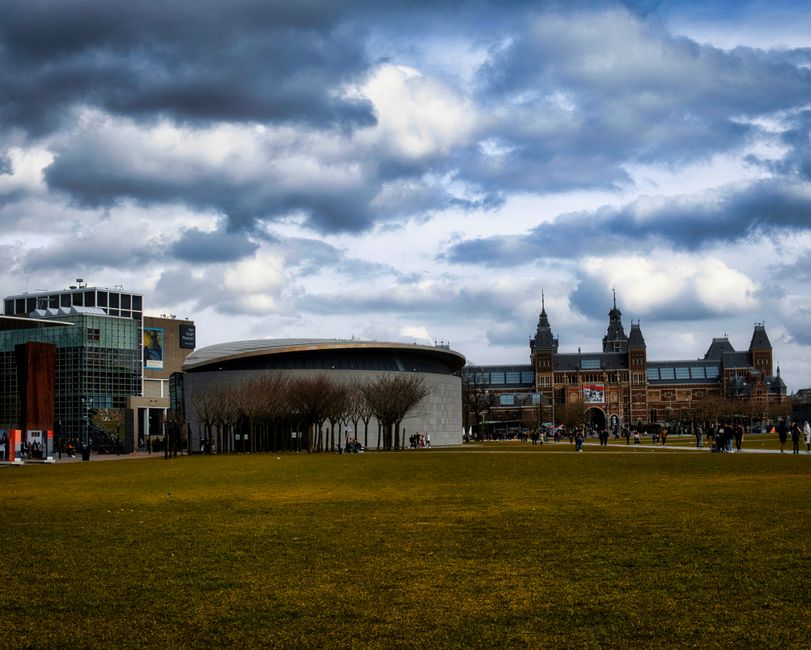
This is the neighborhood for “we’ll just walk there” days. It’s also the best area if you don’t want your evening plans to depend on figuring out tram boarding. When you stay near Museumplein, you can walk to lots of dinner options and then keep strolling toward Vondelpark or the Leidseplein side when the night gets going.
The tradeoff is that this is a popular area, so places can be busier and sometimes more expensive than up-and-coming zones. You may also want to be careful about where exactly you book: being close to Museumplein is great, but being too close to nightlife streets can mean more noise.
Best for
People who want the shortest walking distances to museums and the easiest “walk out, walk back” evening routine.
Tradeoffs to know
If you stay very central, you’ll hear more street activity at night. Also, although you may not need trams for museum days, you’ll occasionally want to travel beyond the area—make sure you’re comfortable switching to metro or walking longer rather than defaulting to trams.
Good to know: When booking, check the exact street and surroundings—staying near the museum cluster is great, but a quieter side street (even a 5–10 minute difference) can change your sleep quality.
3. Rivierenbuurt – Quieter stays with a still-walkable museum plan
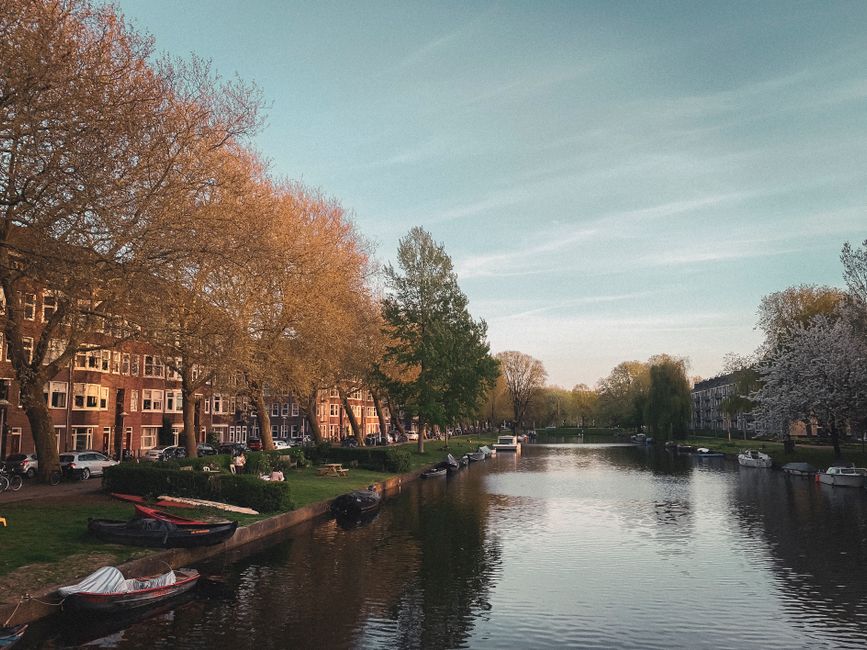
You can’t match Museumplein for “out-the-door museum access,” but you can still do solid walking days—especially if you’re the type who likes combining museums with café breaks and longer neighborhood walks. Evening life here tends to be more relaxed, so you’ll often spend your night dining locally and then strolling nearby.
If you’re avoiding tram steps, Rivierenbuurt can still work well because it’s close enough to use other transport choices when necessary, while keeping your daily rhythm mostly walk-based. In other words: you’re not trapped into trams, but you may choose them less often than someone staying right beside Museumplein.
Best for
Quiet nights, local-feeling dinners, and a slower pace where you’re okay walking a bit more to reach museum sights.
Tradeoffs to know
Expect longer museum walks than in De Pijp or directly on Museumplein. On nights with bad weather, you may want a “plan B” that doesn’t involve tram stairs.
Good to know: If you want to keep tram use near zero, aim to build your museum itinerary around Museumplein + one other nearby area you can reach on foot, rather than trying to cover too many zones in a single day.
4. Oud-West – Museum access with a more relaxed nightlife feel
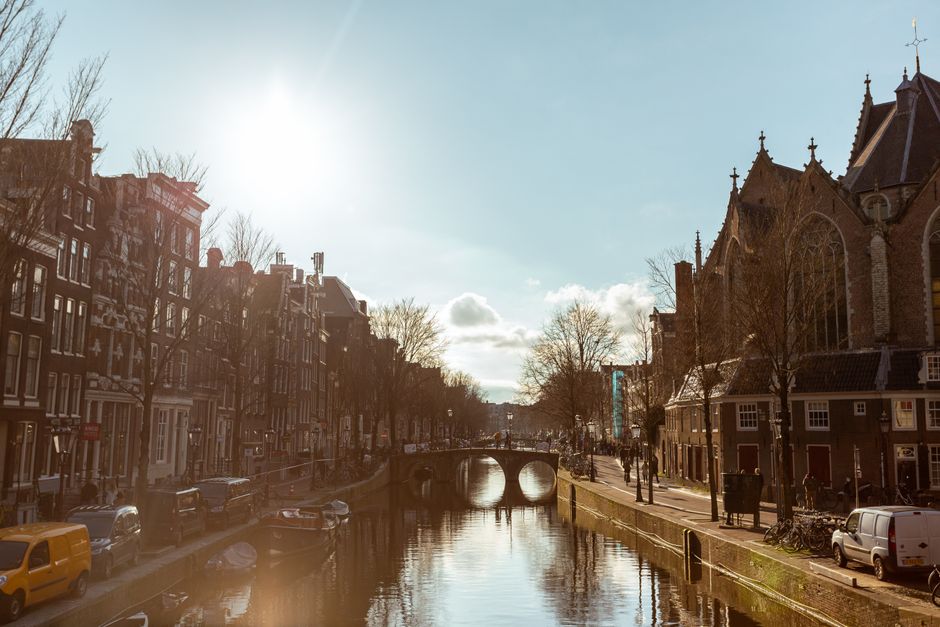
This is where Amsterdam feels “lived in” rather than purely tourist-oriented. If your walking nights include dinner, bars, or late dessert stops, you’ll find plenty nearby—often without needing to commute back by tram.
For tram-stairs avoidance, Oud-West is also helpful because it’s not as dependent on trams for basic movement as the very center can be. You can do a lot on foot, then use metro when you need a smoother boarding experience.
Best for
People who want a lively-but-not-too-overwhelming base with good walkability and a variety of evening spots.
Tradeoffs to know
Walking to Museumplein takes longer than from De Pijp or Museumplein itself, so your “museum day” turns into a proper stroll. If you hate long walks, don’t overschedule.
Good to know: If tram stairs are a deal-breaker, don’t design your day around “quick tram saves time.” In Oud-West, build in enough walking buffers so you stay in control.
5. Jordaan – Classic Amsterdam nights, museum walks by stamina
Jordaan is romantic on foot and great for a walking night: canals nearby, small streets, and lots of dinner options that feel distinctly Amsterdam. For museums, though, it’s more of a “walk and enjoy the city” base than a “short museum hop” base.
From Jordaan, Museumplein is usually reachable on foot if you’re comfortable with a longer route. The upside is you’ll naturally pass through charming neighborhoods and you can spread your museum day into a full “Amsterdam wandering” afternoon.
For tram-stairs avoidance, Jordaan is workable because your evenings are often the kind of plans you do locally (dinner + a stroll, then home). If you do need to go further, plan a route that uses walking and metro/bus more than trams.
Best for
Staying in an atmospheric area where your evenings don’t require transport.
Tradeoffs to know
Jordaan’s streets can be uneven (cobbles in places), so even if the distance is reasonable, the effort can be different than in flatter neighborhoods.
Good to know: If uneven pavement or long canal-side walking tires you out, consider starting your museum day earlier and doing fewer stops—Jordaan is best when you want a slower, more scenic pace.
Final tips
- Book the place, then plan the routes: with “no tram stairs,” your booking choice matters more than which tram line you think you’ll use.
- On Booking.com, use accessibility/step-free style filters (and then still read the details carefully) so you’re not surprised by entrances, lifts, or apartment stairs once you arrive.
- When comparing De Pijp vs Museumplein vs Rivierenbuurt: pick De Pijp for the easiest balance, pick Museumplein for the shortest museum walks, and pick Rivierenbuurt for quieter sleep with a longer walking plan.
- If you’re traveling with someone who needs easier boarding: assume your evenings will be walk-based, and treat public transport as a backup for weather or late-night detours.