If you’re trying to book and visit an Amsterdam slow boat canal cruise, you’ll usually need three things: the right time slot, clear check-in instructions from your ticket, and a realistic plan for the queues. Slow boats typically don’t “power through” crowds—boarding is still boarding—so arriving smarter matters as much as booking.
We’ll walk you through how time slots work, what to bring (think weather layers more than “special gear”), how the driver and boarding flow work, and how to avoid the most crowded departures.
How to choose the right time slot
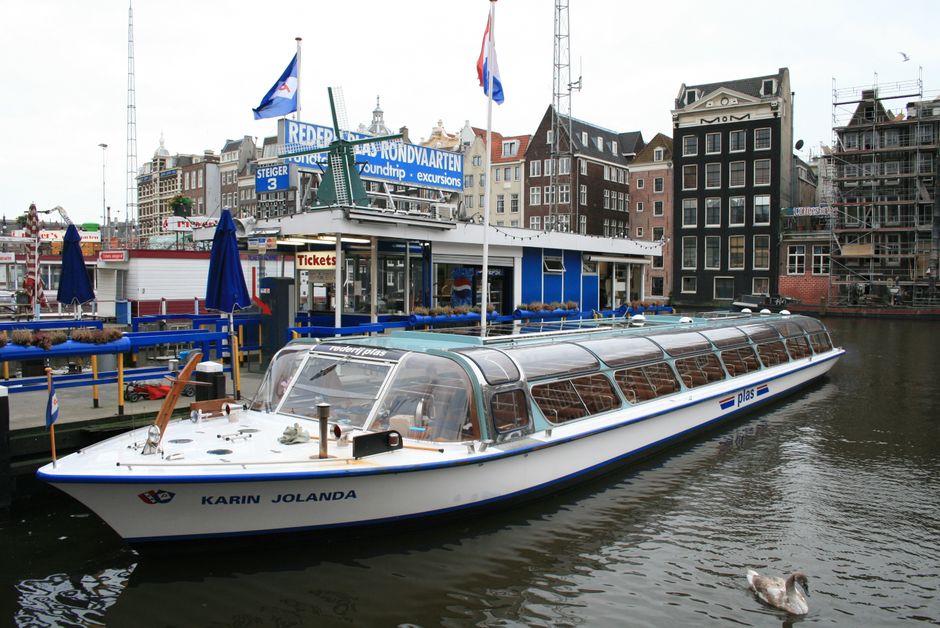
If your ticket only shows a time block (like “morning” or “afternoon”), follow the confirmation email or voucher instructions, because meeting points can differ by operator.
Pick off-peak times to dodge the worst queues
Amsterdam canal cruises can get very busy, especially:
- Weekends (especially mid-day)
- Holidays and school breaks
- Departures between late morning and mid-afternoon
For a smoother experience, aim for early slots (shortly after opening) or later afternoon/evening departures. The “slow boat” feeling comes from a calmer boarding process too.
Choose based on your route priorities
Slow boat cruises often feel more “watery and relaxed” on days with softer light. If your goal is photos, consider going when the sky is less harsh (late afternoon is often more flattering than peak midday). If your priority is comfort and getting seats, focus on off-peak times first.
What to bring for a comfortable slow boat

A practical layer set:
- Breathable top you can sweat in
- Fleece/light sweater
- Windbreaker or rain jacket
- Optional scarf for extra warmth near the water
Weatherproof essentials
If rain is possible, a compact rain layer helps more than an umbrella (umbrellas can be annoying on crowded docks). If it’s windy, a hood or tight-fitting jacket is usually better than loose outerwear.
Small comfort upgrades that locals actually use
- Bring sunglasses (wind + reflections are real)
- Use non-slip shoes; decks can be wet
- If you’re sensitive to motion, consider taking your usual motion-sickness remedy before boarding
Boarding: drivers, meeting points, and the lines

You don’t usually need to interact with the driver beyond following staff directions. The key is getting into the correct queue so the crew can board efficiently.
Understand the two “lines” people mix up
In practice, there are often two different queues:
- Ticket/check-in line at the meeting desk or check-in point
- Boarding line at the dock where groups step onto the boat
If you rush to the dock without checking in (or vice versa), you can end up slowing everything down—usually for you.
Find the correct meeting point, not just “near the canal”
“Canal cruise meeting point” can mean different docks depending on your ticket type. Before you leave, confirm the exact meeting location from your email/voucher.
If you arrive early, wait at the specified meeting point—not 2 minutes away—because staff often only recognize people who are in the correct queue.
How check-in works (and what can go wrong)

If you’re traveling with kids, have mobility needs, or just don’t want stress, add extra buffer.
Have your ticket ready in the format requested
Operators usually accept either a QR code or barcode. Keep it accessible on your phone (screen brightness up) or bring an offline copy.
If you’re relying on mobile data and it’s crowded, don’t. Amsterdam spots can get patchy during peak times.
What happens if you’re late
Most departures run on a schedule and groups board in waves. If you miss your check-in window, you may not be allowed onto the specific boat you booked.
To avoid that situation: set a reminder for “be at meeting point” time (not “depart” time), and build buffer for crowds.
If plans change, don’t guess—follow your voucher rules
Some tickets allow changes; others require a rebook. The safest approach is to read your voucher terms first rather than assuming all cruise tickets work the same.
If you booked via a marketplace like Tiqets, your confirmation will usually tell you exactly where and when to check in.
How to avoid the most crowded departures
Target days and times that feel calmer
For fewer crowds, pick:
- weekdays over weekends
- early or late slots over mid-day
- times outside lunch-hour peaks
If your schedule forces a busy time, still try to arrive earlier than you think you need—check-in lines grow even before the boarding line is visible.
Watch for “group waves” at the check-in point
Crowds often arrive in batches tied to hotel tours and staggered departure schedules. When you see multiple groups funneling in at once, you can anticipate that your line will slow down too.
If the option exists when booking, choose the next time slot that doesn’t immediately follow a peak tour wave.
Use smart arrival logistics
- Don’t rely on the first entrance you see—follow the meeting point instructions exactly
- If you’re coming by bike or tram, plan an approach route that avoids getting funneled through the busiest streets
- Keep your phone ready before you reach the desk so you don’t stop in the flow
Choose the “feel” you want: calmer boarding vs. prime light
Sometimes the most photogenic time overlaps with the busiest departures. If your priority is comfort and easy boarding, trade a bit of light for a less crowded time slot.
Final tips
- Book a time slot you can actually arrive early for; the check-in line is the real deciding factor.
- Dress in layers and add a windproof outer layer—canal breezes are often colder than you expect.
- Learn the difference between check-in line and boarding line, and follow the meeting point on your voucher exactly.
- If you’re trying to avoid crowds, pick weekday mornings or evenings, not late morning to mid-afternoon.