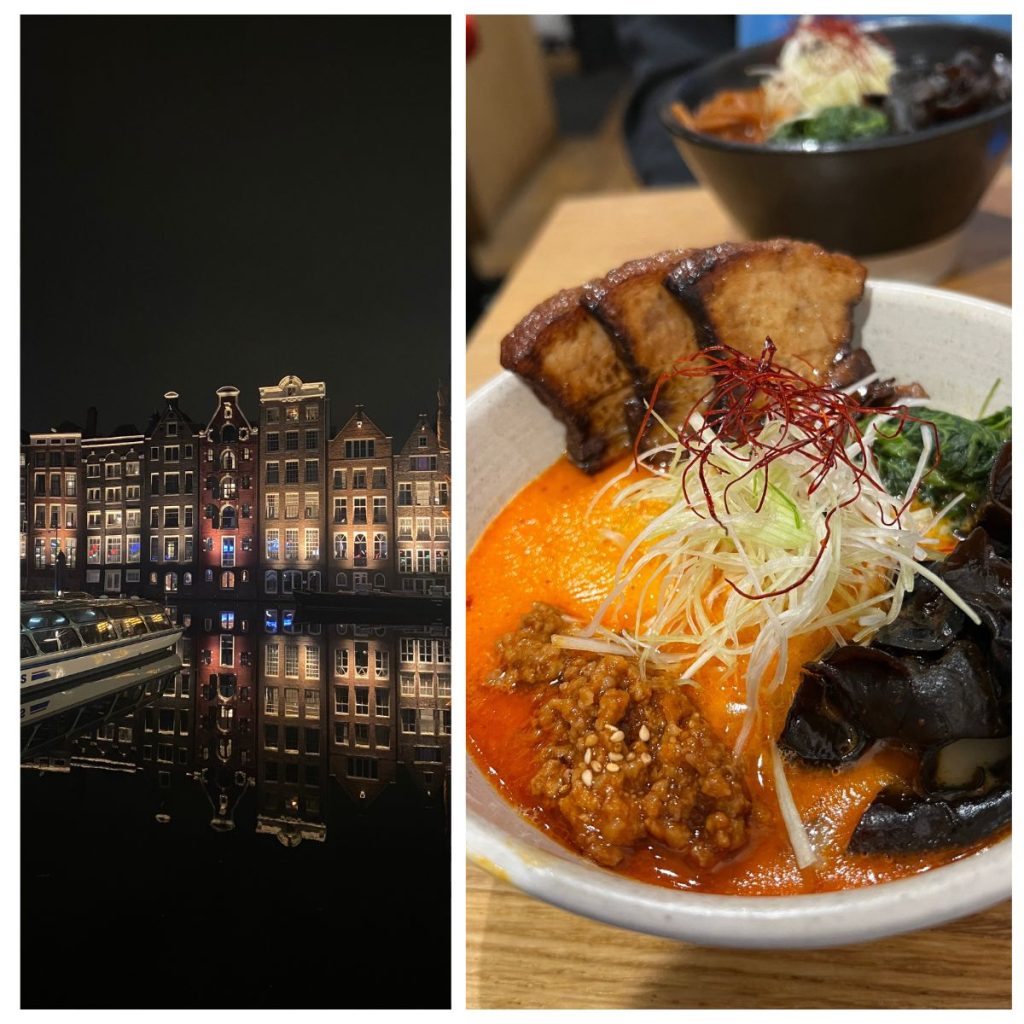

If you’re trying to figure out how to book tickets for the Amsterdam Museum of the Golden Age, the good news is the process is straightforward: choose the right ticket type, lock in the date/time if timed entry is offered, then show your confirmation at arrival.
This guide is for first-timers who want to avoid waiting and make the visit comfortable—whether you’re going with kids, traveling during rain, or just want a smooth plan once you’re inside.
While writing, we focused on the parts that usually trip people up: matching ticket type to your group, picking the least crowded time slot, and knowing what to do when you arrive (so you’re not scrambling with phones, PDFs, or queues).
1. Tickets: What Options You’ll See

Tip: even if you can technically enter later, arriving close to your slot is usually the easiest way to avoid bottlenecks.
Tickets for children, youth, and seniors (if offered)
Some ticketing pages include discounted rates for children/youth or seniors. We recommend you don’t guess—check the exact age ranges directly on the booking page, because they can vary by attraction and calendar.
If you’re traveling with mixed ages, consider booking the whole group in one checkout so the confirmation is simple to manage at the door.
Guided tours or add-ons (only if you want the extra structure)
If you see options like a guided tour or an add-on experience, they’re best for visitors who like a clear storyline and prefer not to plan the route themselves.
If your goal is flexibility (especially with kids or anyone who gets tired), stick to standard admission and follow the on-site route below.
Cancellation or rescheduling terms
During busy seasons, tickets may be non-refundable or only adjustable within certain rules. Before you confirm, check whether you can reschedule your date/time and what happens if the weather turns.
Good to know: if you’re going on a rainy day, keep an eye on your plan for transport—museum entry is one thing, but getting to/from the museum is where delays add up.
2. Best Time Slots to Book

A morning slot also helps if anyone in your group gets overstimulated in crowds.
Mid-afternoon can be easiest for families
If you’re traveling with children, mid-afternoon can work well because it often avoids both the early rush and the late “everyone left after lunch” crowd pattern.
This is also a good time if you’re combining the museum with a late lunch nearby.
Rainy-day strategy: aim for your “indoor peak”
Rain in Amsterdam usually means indoor hotspots fill up faster. If the weather forecast looks rough, pick a time slot that starts soon after you arrive in the area.
Good to know: if the booking page offers multiple time windows, choose one that gives you at least 60–90 minutes inside—then you can still enjoy a nearby snack after.
Avoid: last-hour rush slots
If you book too late, you may feel rushed—especially with kids. Plus, families often want time for photos, a toilet break, and one “repeat the favorite room” moment.
Good to know: if your group’s energy is unpredictable, don’t schedule the museum as the final stop of the day.
3. Entry Day: How to Get In Smoothly

Practical move: save the confirmation in your email and also keep a screenshot ready. That way, you’re not hunting for it if the Wi‑Fi is weak or your battery is low.
What to bring (and what to wear)
Bring only what you need: a small bag, a water bottle if allowed, and something for kids to keep busy during transitions (a small coloring sheet or sticker book works well).
Wear comfortable shoes. Even if it’s “just a museum,” you’ll likely move between rooms and linger at a few key sections.
Allow time for check-in and security
Plan to arrive a bit earlier than your time slot. Timed tickets don’t always mean instant entry—there’s often a short check-in flow.
If you’re coming with a stroller, decide in advance how you’ll manage it in tighter corridors. Staff can often help, but the smoother you are, the easier it is for everyone.
Accessibility considerations
If anyone in your group needs step-free access, the best move is to look at the accessibility notes on the attraction’s official visitor information and, if needed, contact staff before you go.
Good to know: if you’re unsure about the route, you can ask staff for the most straightforward path for wheelchairs or limited mobility.
On-site audio and translation
If the museum offers guides in different languages (sometimes through devices or apps), check this at entry. For families, audio can be great—because it turns “reading time” into “listening time.”
Good to know: don’t rely on everyone reading every label. Pick the few that match your kids’ attention span and build from there.
4. A Simple On-Site Route (Families + Rainy Days)
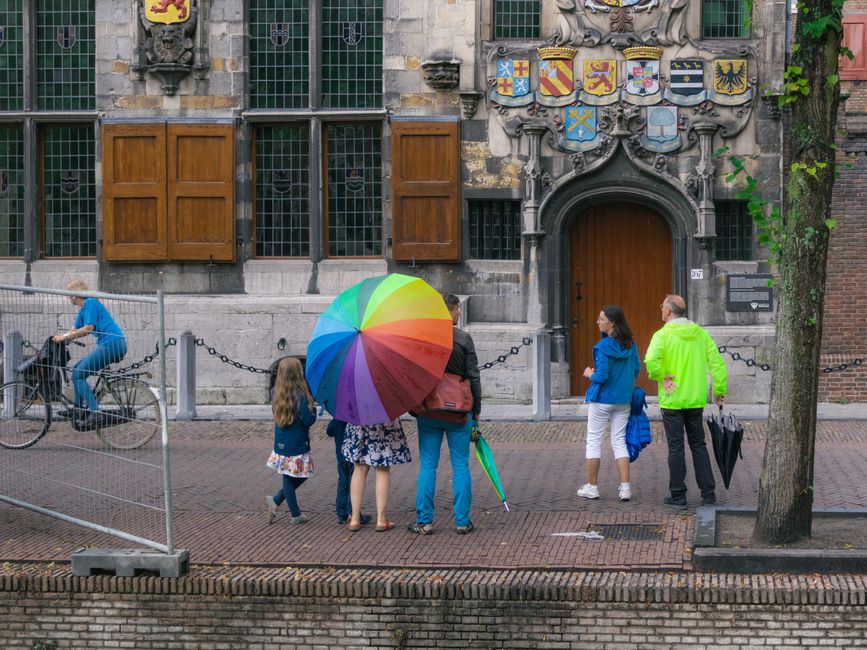
- Start with the overview/explainer area (the place that sets the story of Amsterdam’s Golden Age).
- Choose one main theme section (often the art/wealth/life theme) and look for the most interactive or visually strong rooms.
- Add a short stop at any “maker” or “everyday life” segment—kids usually engage better with objects than long text.
Aim to end with the most kid-friendly visuals, so the last room feels like a win.
90–120 minute family route (with one comfort break)
This is the sweet spot for many families.
- Begin with the introductory rooms so everyone understands “what they’re seeing.”
- Do one longer gallery for visual details (paintings, portraits, household items—whatever the museum highlights).
- Take one comfort break (restroom/snack) before moving into the second half.
- Finish with the room or section that has the most character: costumes, domestic scenes, or any segment that feels “alive.”
If your kids get restless, let them pick the next room from two options—this keeps everyone cooperative.
If you want a calmer pace: do a “2-room plan”
On rainy days, crowds can make everything feel louder and faster. If that happens, scale down.
Pick two rooms you truly want to understand, spend extra time there, and skip the “just because it’s there” stops.
Good to know: museum visits with kids go best when you treat it like a mini quest, not a checklist.
A short route for adults who prefer depth
If your group is mostly adults, follow this structure:
- 15–20 minutes: introductory context.
- 45–60 minutes: a focused theme (e.g., art and society).
- 20–30 minutes: comparison/second theme.
- 10 minutes: wrap-up area or final gallery.
This keeps you from drifting room-to-room without finishing any storyline.
5. Refunds, Rescheduling, and Policies (Check This)
If plans change
The booking page should list the policy—whether tickets can be changed, how far ahead you can adjust, and what happens if the weather is bad.
If you’re visiting with kids, it’s common that plans shift. Knowing the rule before you confirm saves stress.
What “timed entry” really means
Even with timed tickets, you might not be allowed to arrive hours early. The safe approach is to treat the time slot as your arrival window.
If you think you’ll be late (traffic, rain, stroller delays), check what the policy says—some venues can help inside a certain margin.
Booking platforms and confirmations
If you want a simple way to secure a time slot, we usually use Tiqets for ticket options that match your date.
No matter where you book, keep the confirmation accessible and double-check the date shown on your ticket.
Good to know: if you don’t see a QR code or clear confirmation in your email/app, pause before you arrive and contact the provider or re-download your ticket.
Final tips
- Book earlier in the day if you want calm; choose mid-afternoon if you’re optimizing for kids’ energy.
- Arrive slightly before your time slot and keep your ticket QR ready offline (screenshot it).
- For rainy days, pick a 60–90 minute route and don’t feel you need to see every corner.
- If weather or schedules are uncertain, read the rescheduling/cancellation policy before you confirm.