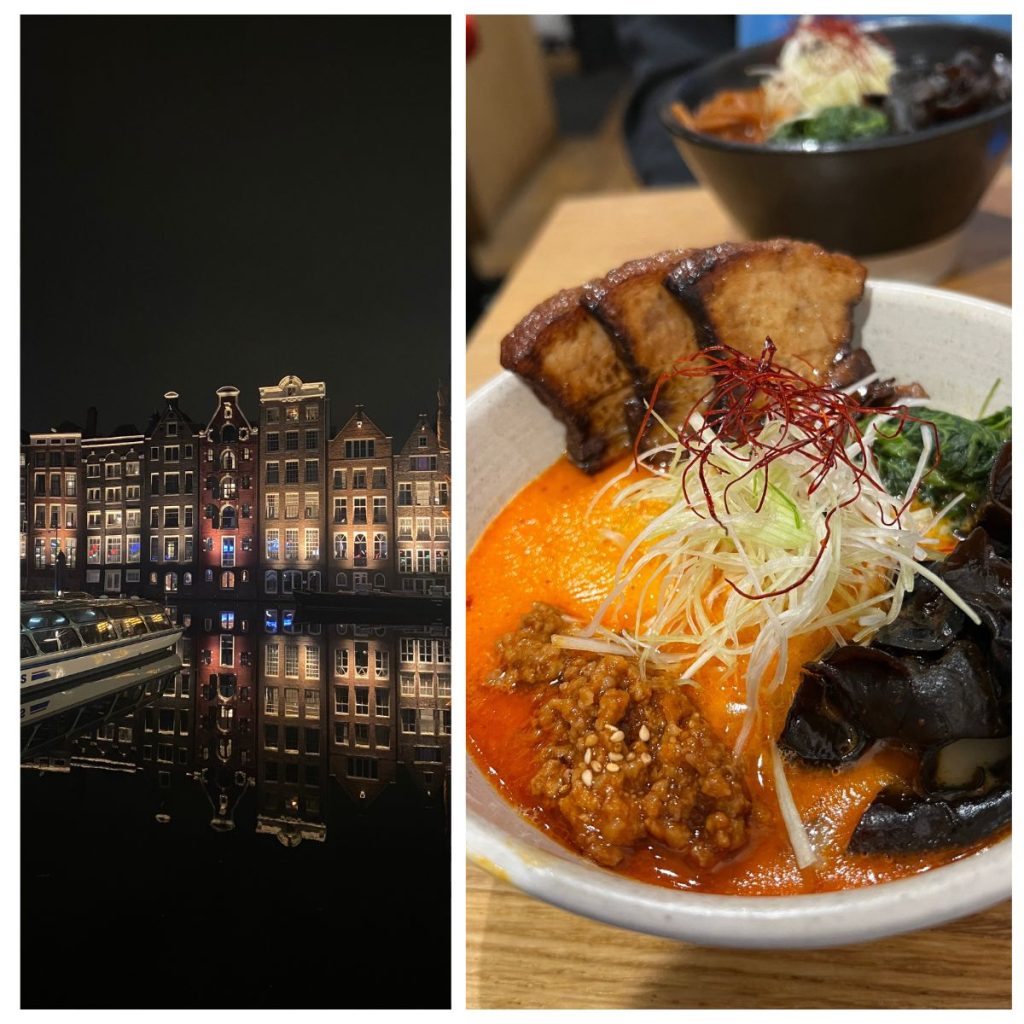

If you want easy access to the Rijksmuseum and the whole Museumplein stretch, staying near Amsterdam Zuid is one of the smartest moves. You’ll usually trade a bit of “city-centre charm” for faster, calmer daily logistics.
We focused on Zuidas-adjacent bases—places that are close to the train/metro/tram connections, but where you can still find quieter streets or better-value nights. For each area, we’ll also tell you what the commute tends to look like.
1. Zuidas (Apollolaan & Gustav Mahlerlaan) – Most convenient, most business

You’ll find plenty of newer hotels, but it can feel less romantic than older neighbourhoods. The good part: you’re close to transport, and the area is generally well-managed and safe to navigate even at night.
For Rijksmuseum/Museumplein access, you’ll typically rely on trams and short metro hops—expect an easy door-to-door ride that’s usually quicker than going from farther neighbourhoods.
Good to know: If you’re sensitive to noise, avoid rooms directly facing major roads and station-adjacent streets—choose an inner-courtyard or a side street direction.
2. Oud-Zuid (Concertgebouw edge: Van Baerlestraat & Beethovenstraat) – Closer to the museums

From here, you’re often only a tram ride away from Rijksmuseum and the museums around Museumplein. In nice weather, you can also walk part of the way—especially toward Museumplein and the Museum Quarter.
Noise tends to be more manageable than in the loudest Zuidas pockets. The vibe is more residential and elegant, with cafés that are popular for an unhurried borrel (a casual drink) rather than a rushed “see-it-and-leave-it” schedule.
Good to know: Oud-Zuid can be pricier—if you want value, look for streets that are a little east or slightly farther from the busiest tram corridors.
3. De Pijp (Ferdinand Bolstraat & De Pijp side streets) – Best balance of food + commute
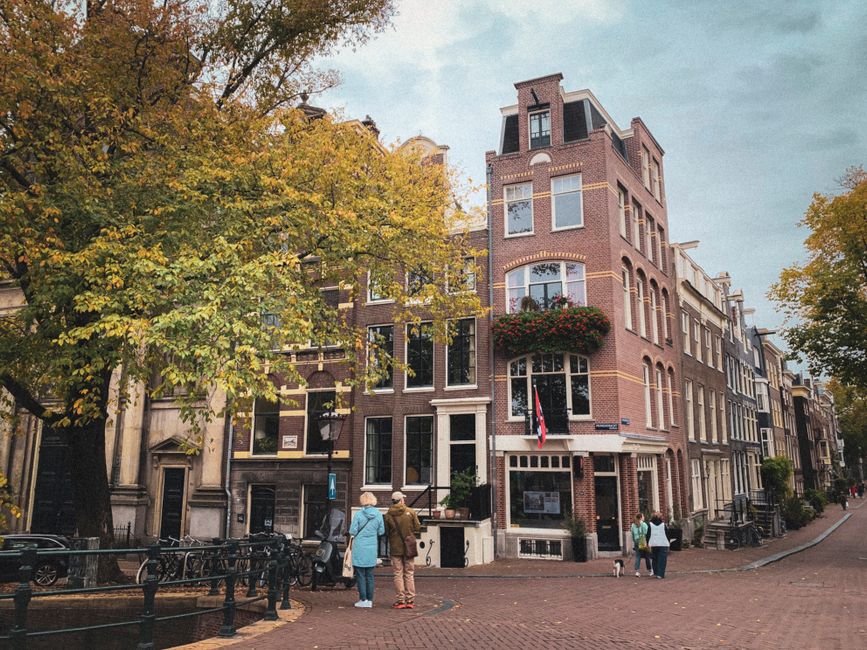
Getting to the Rijksmuseum/Museumplein is usually a straightforward tram ride from the Amsterdam Zuid area connections. You can also pivot quickly to other parts of the city (Jordaan, Westerkerk area, canal neighbourhoods) because the public transport web here is strong.
Compared with staying right in Zuidas, De Pijp often feels more “Amsterdam” day-to-day. You’ll spend less time in business-lobby mode and more time in local mode—cafés, markets, and late lunch spots.
Good to know: If you want sleep, aim for a place slightly off the busiest stretches of Ferdinand Bolstraat—De Pijp can get lively in the evenings.
4. Rivierenbuurt (around Cornelis Schuytstraat & the Amstel-side blocks) – Quieter, still close
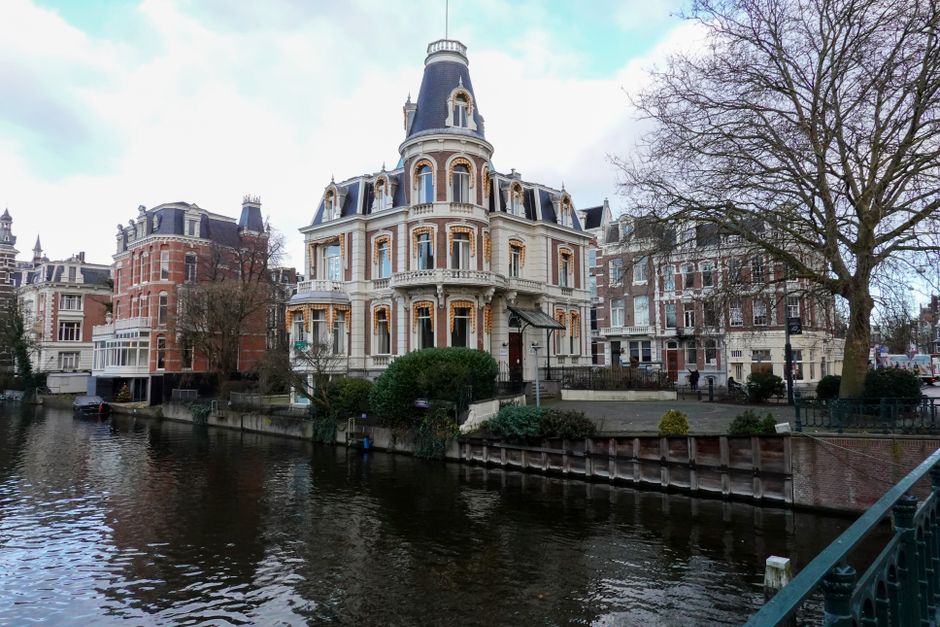
For Museumplein, you’ll typically commute via tram/metro connections from the Zuid area. Expect the route to be simple, with minimal transfers.
This neighbourhood also tends to feel less “hotel corridor” and more like where locals live—good for breakfast routines, everyday groceries, and dinners that don’t require a car.
Good to know: Look for streets closer to the tram/metro arteries, not the far edges—being a 5–10 minute walk from the best connection makes a big difference.
5. Schinkelbuurt (Schinkelstraat & near Hoofddorpplein) – Local streets, often better value
If Zuidas feels too corporate and Oud-Zuid feels too expensive, Schinkelbuurt is a smart middle ground. It’s close enough to work well for Museumplein access, while offering more affordable lodging options than the most museum-adjacent streets.
You’ll usually get to the Rijksmuseum/Museumplein area by tram or a quick combination of public transport legs from the Zuid network. It’s rarely complicated—just plan your day around one “main” route.
The vibe is more neighbourhood than spectacle. Expect familiar Amsterdam street life: smaller shops, bakeries, and a generally relaxed evening feel.
Good to know: Because it sits a bit between areas, double-check your lodging’s exact walk time to the nearest tram/metro stop—some blocks are noticeably better than others.
6. Stadionbuurt (Stadionplein & De Pijp’s “south edge”) – Sports energy, practical for transport
Stadionbuurt is near the Olympic stadium area and is often overlooked for museum trips. That’s a shame, because it can give you a good mix of space, access, and everyday convenience.
For Rijksmuseum/Museumplein, you’ll typically ride tram/metro from the Zuid side connections. The commute works best when you stay closer to the transit lines rather than the outermost residential streets.
This area is particularly appealing if you like longer walks and don’t want to be in the densest central tourist zone. You’ll also find plenty of casual dining where people don’t act like you’re only there for sightseeing.
Good to know: If you’re visiting during big match events, consider how you feel about crowds in the area—choose a hotel a little further from the stadium core.
7. RAI & Van der Madeweg (Conference/World Trade Centre zone) – Big buildings, efficient stay
The RAI area is around Amsterdam Zuid but slightly different in character: more conference-and-business buildings, more modern infrastructure, and often a practical choice for first-time visitors who value convenience.
Museumplein access is usually easy thanks to frequent tram/metro connections from the Zuid network. This is a “get there with minimal thinking” kind of base.
Noise-wise, it depends heavily on your exact street and room orientation. Some blocks can feel busy during event days, while others stay calmer because they’re a short walk away from the main pedestrian flows.
Good to know: When you book, check the room’s street-facing direction—if you’re a light sleeper, request (or filter for) quieter-facing rooms.
8. Ceintuurbaan & Diamantbuurt (between De Pijp and the Amstel side) – Nice local feel, great connections
Staying around Ceintuurbaan and the Diamantbuurt edge can be a very efficient way to reach museums while still feeling like you’re in a living neighbourhood. It’s close enough to Zuid to make transport simple, without being as “office district” focused as Zuidas itself.
You’ll usually reach Museumplein via tram links from the Zuid area, with a ride that’s typically predictable rather than stressful. It’s also a good starting point for exploring central Amsterdam without constantly crossing the city.
The big advantage here is the local everyday rhythm: you can do breakfast nearby, take your time, and still get to Rijksmuseum without planning your whole day around transit.
Good to know: If you want both “local” and “quiet,” look for side streets away from the busiest main roads, even if it adds a couple of minutes to your walk.
9. VU & Boelelaan (near Amsterdam Vrije Universiteit) – Student energy, often calmer rooms
The VU/Boelelaan area is one of the most underrated Zuid-adjacent bases. It has a university feel (more students, more daytime life), but many streets stay surprisingly calm—especially compared with the most central hotel clusters.
For Museumplein and Rijksmuseum, you’ll typically use public transport from the Zuid metro/tram network. Because it’s a bit farther than De Pijp or Oud-Zuid, you’ll want to choose a lodging that’s close to your easiest connection.
This is also a great option if you like walking and cycling routes that feel less like “sightseeing corridors.” You’ll still be able to get into the city centre quickly when you want to.
Good to know: Prioritise proximity to a station/stop over “bigger room” perks—your museum days will feel better.
Final tips
- For Rijksmuseum and the Museumplein cluster, choose a base where you can reach a main tram/metro connection in under 10 minutes on foot. That’s the real time-saver.
- If you’re balancing cost and noise: go slightly away from station-heavy streets (or pick an inner-facing room). You’ll usually get a better sleep without losing access.
- If you’re planning a specific travel window, Booking.com is useful for comparing availability across a few nearby areas with similar commute times.
- When you arrive, do a quick “one-leg test” on your first day: check your exact route from your stay to Museumplein once, then repeat it for the rest of your museum plans.