


Anne Frank House tickets are easiest when you book through the official process, choose a specific time slot, and plan arrival 15–20 minutes early. That combination helps you avoid the two most common problems: tickets selling out and entry getting refused because names/IDs don’t match.
In this guide we focus on what actually matters in practice: booking windows, realistic timing, and the ID checks. We’ll also tell you what to expect once you’re inside, so the visit feels smooth instead of stressful.
Ticket booking windows: when the tickets appear

Where to check official availability
The official tickets page shows which dates and time slots are currently available. Availability updates regularly, and popular slots can disappear quickly.
What we recommend: before you plan the rest of your day, open the official tickets calendar and lock in the time slot first. Your museum visit is the fixed point.
How far ahead tickets usually go on sale
Instead of assuming a set number of months for every release (it can vary), treat the official calendar as the source of truth. If you see a “release” or a new batch appearing, book that day’s best available slot immediately.
If you’re traveling on a weekend: don’t wait for “later today” to feel confident—you’ll often lose the good options.
Good to know: If a date is fully booked, try the next day or a nearby time slot. Small changes often make a big difference.
Best time slots: when to choose the smoother entry
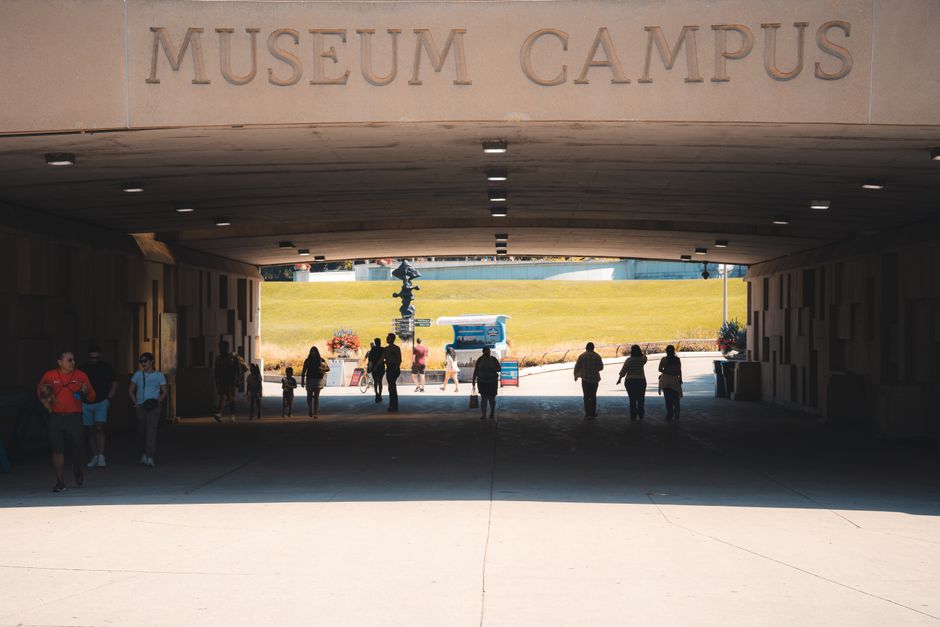
Morning vs late afternoon
Early time slots tend to be calmer in many major museums, but popular museums can still be busy at opening. Late afternoon can also work well, especially on days when tourists arrive later.
A practical way to choose: pick the time when you’re least likely to stack it with another timed activity right beforehand.
Avoid “too tight” plans
Even if your ticket is timed, you’ll still have security checks and a queue to join. If you’re trying to catch a tram/boat/tour immediately afterward, leave a buffer.
Good to know: The “best” slot is usually the one that matches your day rhythm. If you’re rushing, you’ll feel it once you reach the entrance.
ID and entry rules: what they check before you go in
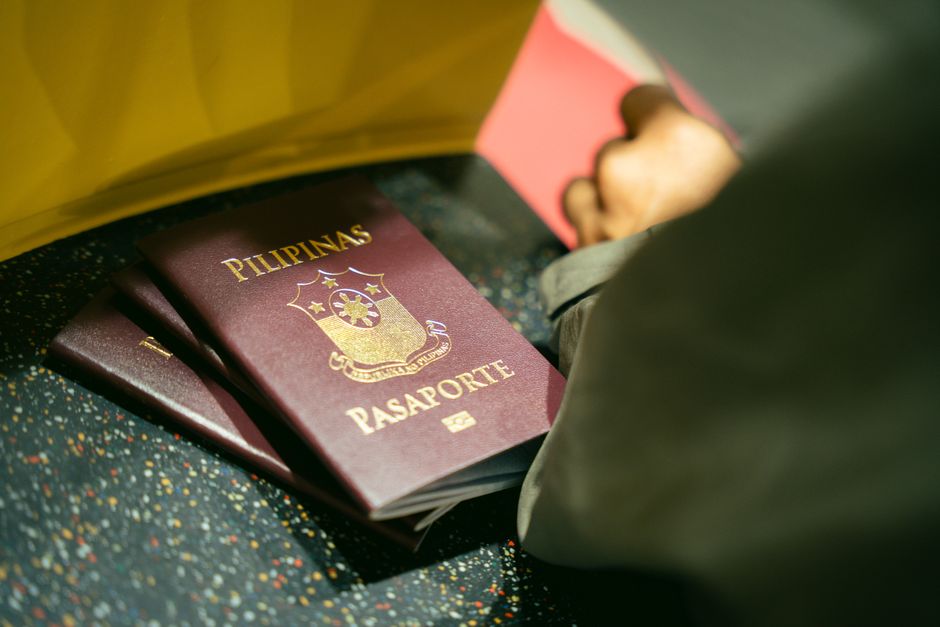
What to do: re-check the spelling exactly as entered during booking—especially for double names or accents.
Bring valid government-issued identification
Plan to bring a valid ID document for each visitor. A photo on your phone generally isn’t a replacement for the physical document.
If you’re traveling with multiple people, keep everyone’s ID accessible at the start of the line so you’re not digging for it on the spot.
Tickets and confirmations
Have your ticket confirmation ready (on your phone is usually fine, but it’s smart to also have it accessible offline). Staff will verify your ticket for the booked time slot.
Accessibility and special circumstances
The house is a historic site, so expect stairs and tighter spaces than modern museums. If you have mobility, sensory, or health needs, check the official accessibility notes before you go so you can plan appropriately.
Good to know: If you’re traveling with children, make sure you know which ID is expected for each child in your booking and bring it. Not having the right document is one of the fastest ways to lose your entry window.
What to expect inside: the visit flow (and the pace)

Expect a queue even with a timed ticket
A timed ticket doesn’t skip the process entirely. You’ll likely pass through security, then move with the visitor flow. The timing helps you avoid long waits, but it doesn’t eliminate them.
Know what you might be asked to follow
There are usually rules about photography and using devices in sensitive exhibition areas. Follow the signs and staff instructions. If something is restricted, treat it as a hard rule rather than a suggestion.
Plan your mindset for the subject matter
This is a memorial and educational visit. It’s common to move more slowly than you would in a typical attraction, because people take in the details and read panels.
Good to know: Give yourself extra mental time. Even if the ticket slot is short, the “real” visit can take longer because you’ll naturally slow down.
Arrival timing: how to not miss your time slot
Aim for 15–20 minutes early
A reliable rule in Amsterdam for timed-entry venues: arrive 15–20 minutes before your slot. That gives you time for the security step and getting organized without turning it into a long wait.
If you arrive far earlier than your slot, you may still be held back until the correct time window.
Arrive with a buffer for transport
Add a buffer if you’re using public transport. Trams can be delayed, and walking from the nearest stops still takes a bit of time.
If you’re coming from a nearby attraction, don’t plan to “just make it.” Museum queues and crowds can change your walking pace.
Don’t cut it too close
If you show up at (or after) the start of your time slot, you risk having less flexibility. For a venue like this, staff need to move visitors in controlled groups.
Good to know: If something goes wrong (traffic, a missed connection), don’t assume staff can squeeze you in. Try to contact the official help channel as early as possible once you know you’re delayed.
Final tips
Book the time slot first
Before you commit to plans around it, pick your Anne Frank House time slot based on official availability.
Double-check names and IDs
Confirm the spelling on your ticket and pack the required ID documents for every visitor.
Keep your day structure simple
Pair the visit with flexible plans. Timed museums work best when you don’t stack them back-to-back.
Arrive early, not hours early
15–20 minutes early is usually the sweet spot for a smooth entry.
That’s it: once you handle the booking window, the ID match, and the arrival buffer, the experience becomes much calmer—and you can focus on what you’ve come to see.