
If you’re looking for traditional Romanian Christmas food beyond the basics, this guide is for you. We focus on dishes you’ll actually see on Romanian tables during the holidays (and that you can realistically try as a visitor in shops, bakeries, butcher stalls, or holiday menus).
We also steer by what matters locally: when each dish is eaten, what it should taste like, and where to go in bigger cities if you want to try it without relying on a Romanian family invite.
1. Sarmale – Cabbage Rolls with Minced Meat

When to eat: most commonly on Christmas Eve dinner (Ajunul Crăciunului), after the day’s fasting. Some families also serve sarmale on Christmas Day (prima zi de Crăciun), especially if there’s leftovers—because they’re even better the next day.
Where visitors can try them:
- Romanian restaurants with holiday menus in Bucharest, Cluj-Napoca, Timișoara, Iași, and Brașov tend to offer sarmale around December 24–26.
- Central European-style Christmas markets in larger cities often have food stalls, but sarmale availability varies—still, they’re worth asking about at stalls serving “tradițional” (traditional) mains.
- In many cities, you’ll find home-style Romanian catering during the holiday season—often as take-away portions. If you’re unsure, ask directly whether they do “sarmale de Crăciun.”
What to look for: good sarmale are tender, not dry; the sauce should be lightly tangy (from cabbage and sometimes tomato), and the rolls shouldn’t fall apart into mush.
Good to know: If you arrive on the 25th and nothing’s available, don’t panic—order sarmale “la pachet” (take-away) for the next day, when restaurants are more likely to have prepared stock from Christmas cooking.
2. Cozonac – Romanian Sweet Easter-Style Bread (But Big on Christmas)
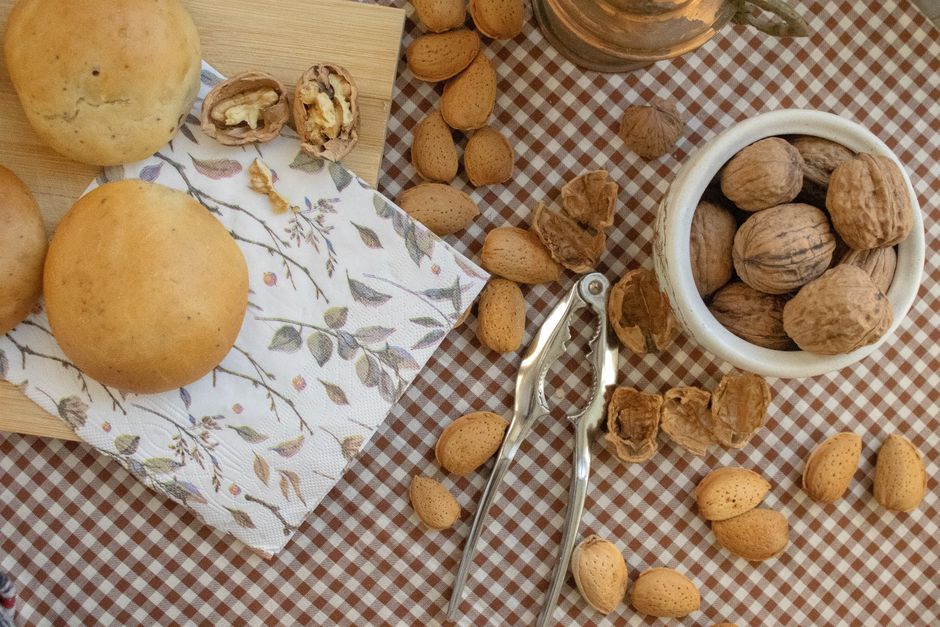
When to eat: cozonac is strongly tied to Christmas morning and the holiday afternoons, but it’s also common to snack on throughout the days between Christmas and New Year. Many families buy or bake it in the days leading up to Christmas, then serve it sliced.
Where visitors can try them:
- Bakeries (cofetărie) and Romanian patisseries in bigger cities: look for “cozonac” on the counter in late December.
- Romanian supermarkets and ethnic grocery stores often stock cozonac slices or whole loaves close to Christmas (fresh or pre-packed).
- If you’re in a tourist-heavy area, you may see pre-sliced cozonac, but the tastiest versions usually come from places that keep a steady local customer base.
What to look for: the crumb should be soft but not greasy, and the braid should look properly risen. For walnut cozonac, the filling should be noticeable—not just a faint sweetness.
Good to know: If you want the “real” thing, ask the bakery whether they have walnut (nucă) or cocoa/popular fillings and whether it’s baked fresh that day or delivered from another location.
3. Piftie – Meat Jelly You Eat Cold

When to eat: piftie is typically served during Christmas and New Year celebrations, often around Christmas Eve later in the evening or on the first days when big, heavy meals are expected.
Where visitors can try it:
- Traditional Romanian restaurants (especially those that do “mâncare tradițională”): piftie is more common on holiday menus than year-round.
- Catering for holidays: in Romania, a lot of piftie gets produced for specific dates. If you see holiday ordering for takeaway plates, that’s your best bet.
What to look for: the texture should be firm but not rubbery, and it should taste savory (salt-forward) rather than overly gelatinous.
Good to know: Piftie is best with mustard, pickles, or horseradish-style sides. If the restaurant doesn’t mention how it’s served, ask—otherwise you may get a cold plate with no “Romanian pairing.”
4. Cârnați – Romanian Sausages (Often Smoked)
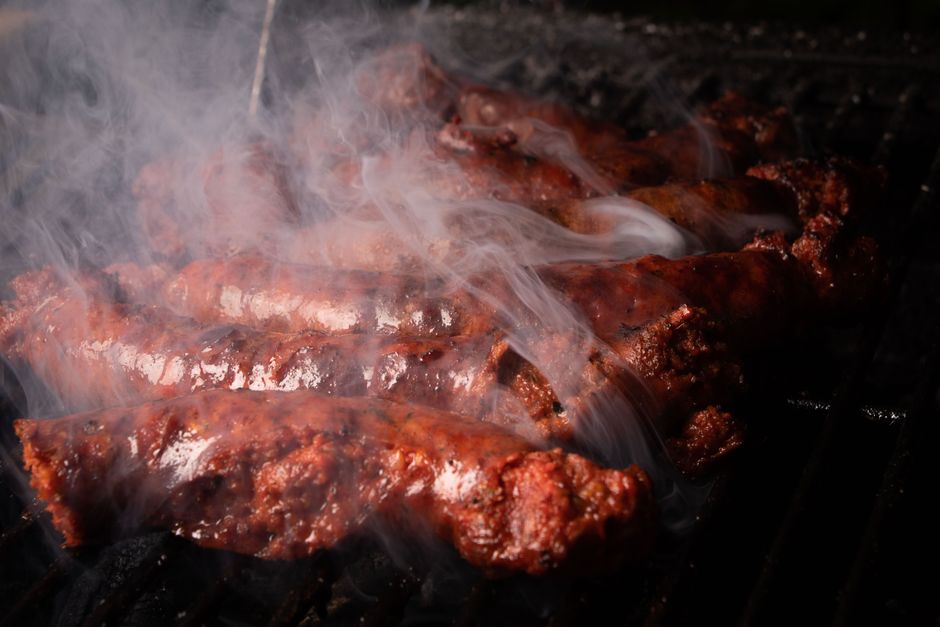
When to eat: they’re commonly served around Christmas Eve and Christmas Day, especially in families that build a table around multiple meats. They’re also popular during the Christmas-to-New-Year stretch.
Where visitors can try them:
- Butcher shops (măcelărie) and holiday meat counters: near Christmas, some shops prepare extra cârnați and can tell you how fresh they are and whether they’re smoked.
- Romanian restaurants: many serve cârnați as a hot side to mămăligă (polenta-like cornmeal) or alongside grilled/roasted meat.
- Christmas markets: look for stalls that sell grilled sausages or “tradițional” meat platters. Availability varies by city, but sausages are usually easier to find than piftie.
What to look for: good cârnați have a clear spice profile (often garlic, pepper, sometimes paprika or other local blends), and the casing shouldn’t be unpleasantly thick or split badly.
Good to know: If you’re unsure how spicy they are, ask how they’re seasoned. In Romania, spice levels can vary a lot by region and by butcher.
5. Salată de Boeuf – Beef Salad with Pickles (Romanian Style)
Salată de boeuf, often compared to a Russian-style salad, is a creamy Romanian holiday staple. It’s made with chopped vegetables and often beef, bound in a mayo-like dressing, typically with pickles for that tangy bite.
When to eat: it’s a holiday centerpiece and shows up especially on Christmas Eve tables and in the days between Christmas and New Year.
Where visitors can try it:
- Restaurants that do Romanian holiday platters: many will sell it as part of a starter selection.
- Deli counters in supermarkets: some stores prepare holiday salads shortly before Christmas (look for refrigeration and date labels).
- Catering and take-away menus: if you’re booking a place for the holidays, ask whether they include Romanian salad options.
What to look for: the salad should be chilled, creamy, and balanced—tang from pickles, sweetness from vegetables, and enough seasoning to taste “finished,” not bland.
Good to know: In Romania, salată de boeuf is often part of a bigger spread. If you only eat it alone, it can feel rich—try it as a starter with something warm (like soup or sarmale).
6. Roast Pork or Lamb with Mămăligă – The Christmas “Second Act”
After the big cabbage rolls and sausage, many families serve a proper roast—often pork or lamb, paired with mămăligă (thick cornmeal) and seasonal sides. This is the meal that turns Christmas lunch into a proper event.
When to eat: roast meats are especially common on Christmas Day (25 December)—think longer lunches and heavier comfort food once fasting is over.
Where visitors can try it:
- Restaurants with a Christmas menu: this is the most reliable way if you don’t have local family hosts.
- Traditional Romanian taverns (restaurant/han-type places): some places keep holiday specials even when their regular menu is less “Christmas-themed.”
- If you’re staying in a hotel that caters to Romanian guests, check whether they offer a Christmas Day dinner with roast and mămăligă.
What to look for: roast meat should have a proper seasoning (garlic, herbs, salt) and not be over-dry. Mămăligă should be smooth and not watery.
Good to know: Ask for the sides—often there’s a Romanian-style combo like pickles, salad, and sometimes horseradish. If you get only the meat, the experience won’t feel as “Romanian Christmas” as it should.
Final tips
- Plan around the dates: Christmas Eve (Ajunul Crăciunului) is when sarmale and cold holiday starters shine, while Christmas Day is when roasts and warm sides are most likely to appear.
- For visitors, the best strategy is to book a holiday table or look for holiday take-away/catering—the most traditional dishes (especially piftie) aren’t always available “on demand” like regular menu items.
- If you’re trying cozonac, buy early: popular bakeries can run out once local demand peaks.
- When ordering, use the Romanian dish names (sarmale, cozonac, piftie, cârnați). Even if staff answer in English, the local terms speed things up.