

For a first-time visit, we usually tell people to pick one of three areas: Old Town (Lipscani & Curtea Veche), Piata Romana (the Romana Plaza area), or the North District (Kiseleff / Aviatorilor / Herastrau side). Each one has a different “base” for how you’ll move through the city.
We chose these because they’re the easiest to build an itinerary from: good walkability to central sights, the right vibe for nightlife or calmer evenings, and straightforward access to Bucharest’s Metro. You’ll also see practical guidance on taxi vs Metro so you don’t get surprised by costs.
1. Old Town (Lipscani & Curtea Veche)

Walkability & daily vibe
Old Town is compact around Lipscani Street and the Curtea Veche area (the old princely court zone). You can easily do short, scenic walks in the morning, then return for dinner without planning your whole day around transport.
It’s lively, but also more “busy” at night—so if you’re a light sleeper, look for hotels on quieter side streets rather than right on the main roads.
Nightlife & food
This is where you’ll find the most bar-hopping energy, especially in the evening. It’s also convenient for quick Romanian comfort food (think ciorbă, mici, and coffee after dinner) because everything clusters together.
Museums & major sights
Old Town is great for history-walk days. From here, the bigger landmarks are reachable, but expect a mix of walking + short taxis or Metro rides depending on the distance and how long you want to be on your feet.
Good approach: plan 1 “walkable” block (Old Town sights) and 1 “transport” block (farther attractions), so you’re not criss-crossing all day.
Getting around: taxi vs Metro
Metro is still useful, but you may need a short walk from the nearest stations depending on the exact hotel. In general, expect:
- Metro: best when you’re going farther than central blocks (low cost, frequent rides).
- Taxi/ride-hailing: best for late evenings or when you’re crossing the city for one specific stop.
Ballpark costs to plan around: a short central taxi ride is often “tens of lei,” and longer trips can move into a higher range. For most sightseeing days, Metro usually wins on cost; taxis win on convenience when you’re tired.
Good to know: If Old Town appeals to you, prioritize location over “luxury”—being within a 10–15 minute walk of the main sights often matters more than a bigger room.
2. Piata Romana (Romana Plaza area)

Walkability & daily vibe
Piata Romana is a hub. Streets fan out into major shopping and café areas, and you’re close to routes that make getting around feel logical.
It’s not as “fairy-tale historic” as Old Town, but it’s very practical: less wandering required, more straightforward days.
Nightlife, but with more choice
You’re near theatres, restaurants, and late-night spots, but you’re not confined to one party zone. That means you can have a fun evening without staying right in the loudest streets.
If you’re traveling with friends and you all want different vibes (bar, dinner, a proper show), this is often the easiest compromise.
Museums & culture
Piata Romana makes museum days easier because you can layer in multiple stops without committing to one neighborhood “theme.” This is also a good base if you want a mix of architecture, art, and central parks.
Getting around: taxi vs Metro
This is one of the best places in Bucharest for Metro access. You can expect:
- Metro: strong option for most city-center sightseeing (quick rides and predictable routes).
- Taxi/ride-hailing: handy for late nights, rainy days, or when the route requires multiple transfers.
Ballpark costs: Metro is usually the cheapest way to move around, while taxis cost more but can save time for cross-city trips. As a planning guide, central taxi rides are typically “tens of lei,” and cost climbs with distance and time of day.
Good to know: Look for places a few minutes’ walk from the Piata Romana Metro area. Even a short walk difference can change your whole trip’s rhythm.
3. North District (Kiseleff / Aviatorilor / Herastrau side)
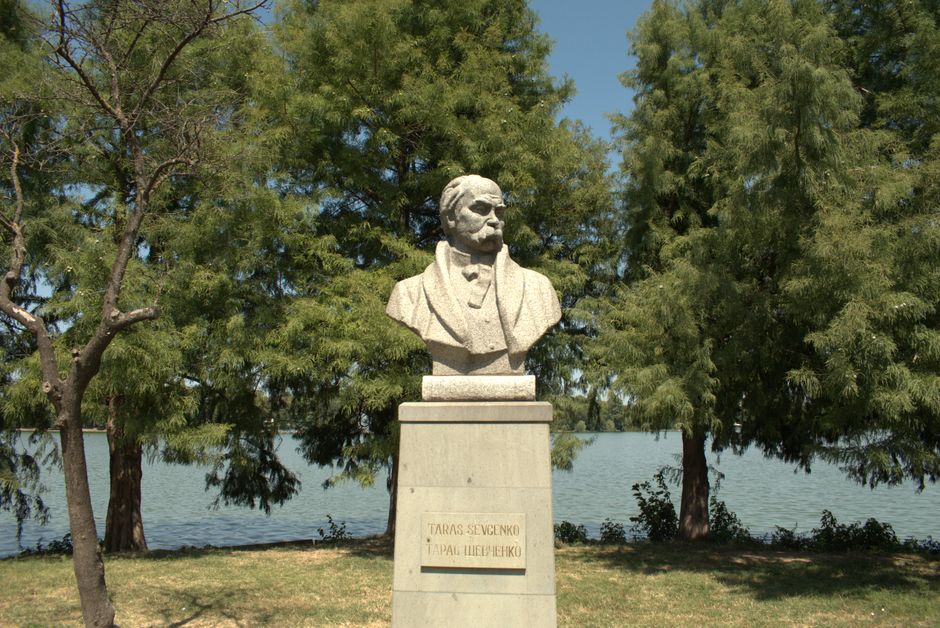
Walkability & daily vibe
This area is less about one tight historic core and more about pleasant neighborhoods and parks. Distances can be bigger, so walking works best for specific routes: a park stroll, a museum visit, a dinner nearby.
The trade-off is worth it if you want a break from the density of central Bucharest.
Nightlife & restaurants
North District nightlife is more spread out. Think dinners, cocktail bars, and places where the vibe is social without being chaotic on every corner.
It’s also a good area for an early start: you’ll generally get a calmer night, and that matters on the mornings when you want to do museums or long park walks.
Museums & “culture + outdoors” days
This is where you can combine attractions with green space. The Herastrau area is popular for longer walks, and you can build a full afternoon around the park + nearby culture.
If you like day plans that include both history and fresh air, the North District makes that easier.
Getting around: taxi vs Metro
North District can be very smooth if you’re near a Metro stop.
- Metro: often your best value for reaching central sights without spending all day in traffic.
- Taxi/ride-hailing: useful for “first/last mile,” especially if you’re staying slightly away from the main transport points.
Ballpark costs: taxis are usually “tens of lei” for typical rides within the city, but they’ll add up if you rely on them for every hop. Metro is the budget-friendly default; taxis are the time-saver.
Good to know: If you’re coming to Bucharest for photos, pick a hotel that’s close to parks or the main avenues in the North District—walkable views matter more here than in Old Town.
Getting around costs in Bucharest (Metro vs taxi)

Metro access: what it feels like
Metro is generally the cheapest way to move between neighborhoods. Your experience depends on how close you are to a station and how much walking you’ll tolerate once you exit.
Tip: when you’re checking hotels, don’t just look at “distance to the center.” Look at “minutes to the nearest Metro entrance” and whether that route is pedestrian-friendly.
Taxi access: when it’s worth it
Taxis/ride-hailing are most worth it when:
- it’s late and you don’t want to walk back
- you’re going somewhere with awkward last-mile walking
- you’re carrying bags
Ballpark guidance: Metro is usually the lowest-cost option; taxis typically cost more (often in the “tens of lei” for central rides), and longer trips cost more.
A simple rule for budgeting
If you want an easy budget formula: use Metro for the backbone of your sightseeing, then taxi only for one “end of day” trip or for bad-weather days.
Final tips
- If you’re unsure, start with your sleep preference: Old Town is the most atmospheric and the loudest; the North District is calmer.
- For fewer transport headaches, Piata Romana is the most “balanced” base for first-time visitors.
- When you’re choosing hotels, filter by neighborhood first, then by walk time to the nearest Metro station.
- If you’re booking online, Booking.com can help you compare options quickly within each area’s boundaries.