If you’re visiting Rotterdam and want an easy “walk, eat, walk again” trip, the neighbourhood matters as much as the restaurant. We picked areas with clusters of cafés and restaurants you can reach on foot, plus options where evenings don’t turn into constant nightlife noise.
We also mapped each pick to a visitor need: harbor views, museum time, or a more local food street feel. For every neighbourhood, we’ll note what to expect with tram access (how simple it is to get around) and where noise tends to be strongest.
1. Oude Westen (West-Kruiskade & nearby streets)
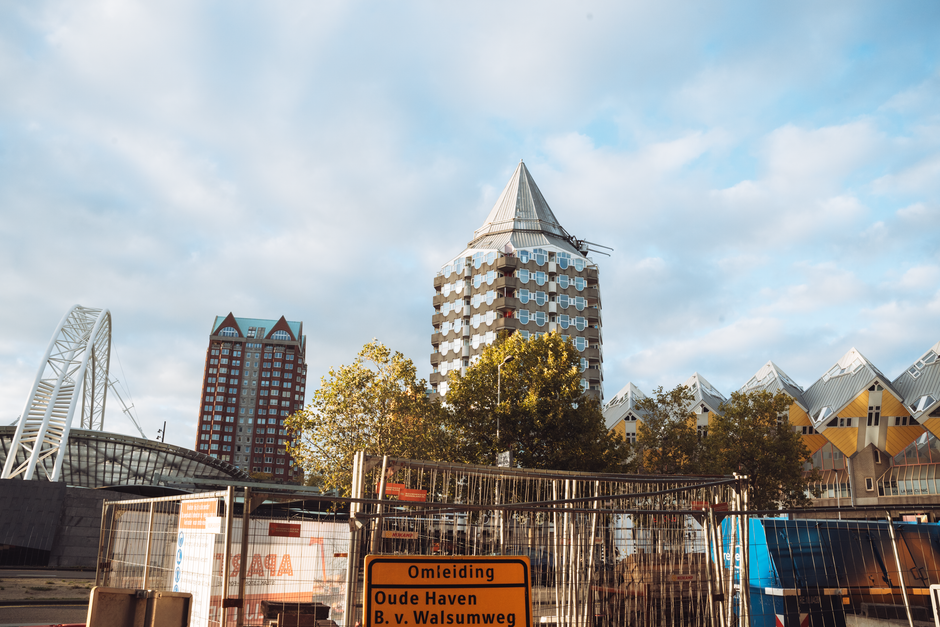
Daytime is lively, but it doesn’t feel touristy in a “theme-park” way. The area is especially good for browsing: you can start with coffee, pivot to a late lunch, and end with a simple dinner—often within 10–20 minutes on foot.
For quiet nights: the trick is location. If you stay a few streets back from the busiest stretch, you’ll still get the food without being right above the loudest terraces or late-night takeaways. Expect a normal city soundtrack, not party-club volume.
Tram access is straightforward because you’re not far from the main tram corridors. From here, getting to central sights or the south side of town usually just means a short tram ride.
Good to know: Look for streets that are one “block” away from West-Kruiskade’s busiest frontage—same convenience, less evening bustle.
2. Delfshaven (Old harbor feel + cafés)

Food-wise, Delfshaven is a strong choice for a mix of casual Dutch plates, global cuisines, and waterfront-adjacent spots where you can linger. You’ll often be able to do a loop of dinner, dessert, and a drink in the same compact area.
Noise is usually more manageable here than in the most central entertainment zones. You may still hear nightlife from time to time—especially closer to popular streets—but it tends to feel less relentless than the core of the city.
Tram access is easy enough that you don’t feel isolated. You can combine a day here with museums or shopping, then return on foot or by tram without it becoming a long logistics exercise.
Good to know: If you’re sensitive to sound, aim for lodging closer to the quieter canal/side streets and a bit farther from the most obvious dinner drags.
3. Kralingen (Kralingen-Crooswijk’s calmer dining pockets)
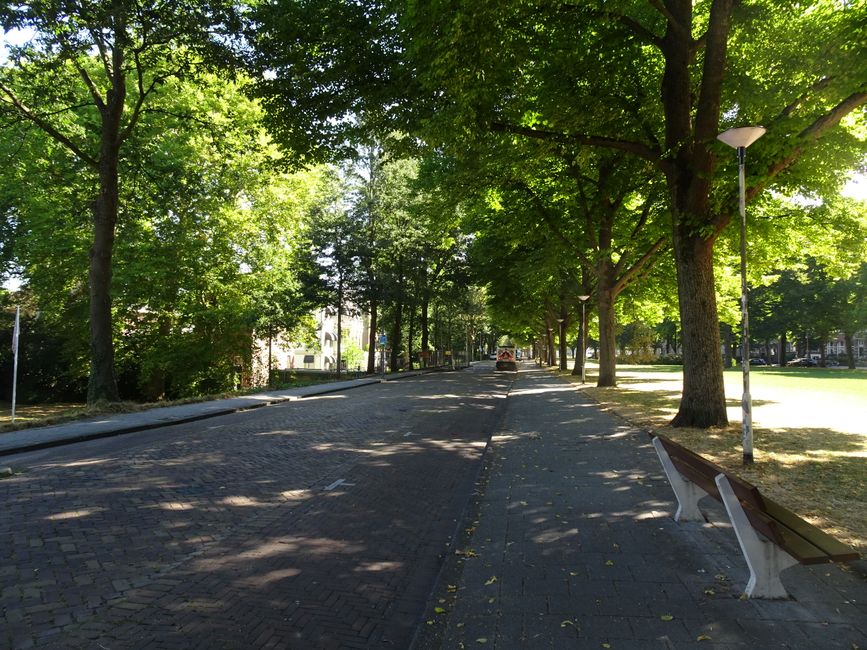
You’ll find restaurant clusters along the main shopping streets, plus lots of cafés that work for breakfast, lunch, and dinner without long travel between them. After eating, it’s easy to switch gears to a walk in the area’s green spaces, which also helps keep the night calmer.
For quiet nights: Kralingen is generally well-suited. It’s not silent—Rotterdam is still a city—but it’s usually less buzzy after dinner than areas closer to the nightlife streets.
Tram access is good: you can reach the inner-city sights without transferring too much. If your goal is to do museums by day and unwind by night, Kralingen balances both.
Good to know: Stay closer to the restaurant streets but not directly on the busiest corner—slight distance makes a big difference to sleep quality.
4. Kop van Zuid (Harbor views + modern, calmer evenings)
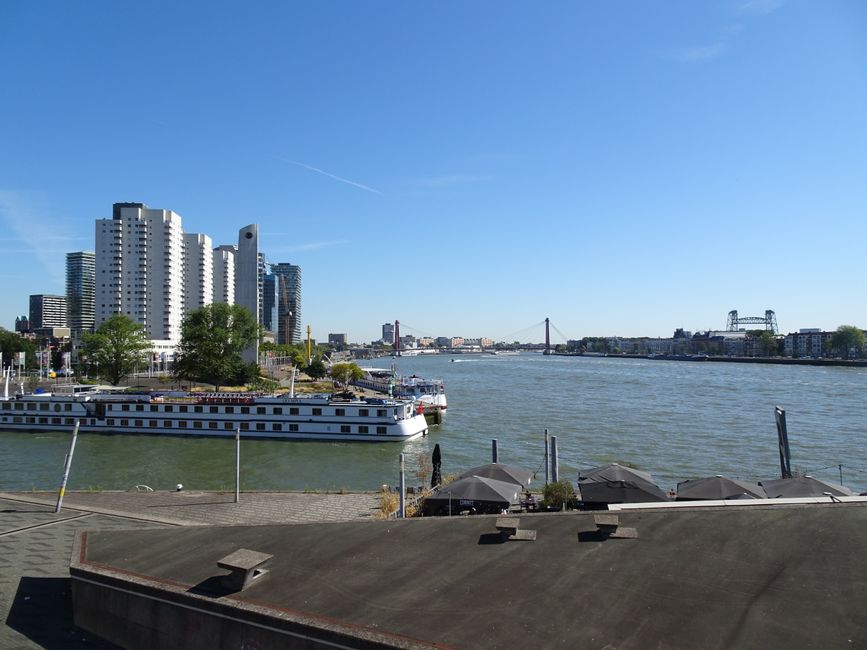
Food here tends to skew a bit more “destination dining” (think: nicer meals, terraces, and restaurants that you’ll plan around). It’s still walkable—just with less of the dense back-and-forth street-hopping you get in Oude Westen.
Noise is usually calmer in the evenings compared to the most nightlife-heavy central streets. You might hear occasional events or late service noise, but it generally doesn’t feel like constant club energy.
Tram access works well because this is one of the areas connected to the main tram lines leading toward central Rotterdam. Many sights are reachable without long detours.
Good to know: If you want harbor views from your room or balcony, prioritize higher floors—but keep that in mind when choosing if you’re sound-sensitive (wind + street noise can carry).
5. Centrum (Between Blaak, Coolsingel, and quieter side streets)
Centrum is the obvious choice if you want to be close to everything—and it can still work for “walkable food + quiet nights” if you choose the right streets. The key is to stay near the food and transit, but avoid being right on top of the most popular evening corridors.
You’ll have an abundance of restaurants, from quick bites to sit-down dinners, plus big sights within walking distance. This is where Rotterdam feels most “urban core,” so it’s ideal for day-and-night planning.
Noise can vary a lot within Centrum itself. The busy shopping and entertainment sections can be loud later, especially on weekends. The quieter part is often one or two turns away: think side streets that don’t directly face the main bars.
Tram access is excellent because Centrum is where the networks converge. Getting around is usually quick—often you can combine short walking distances with a single tram ride.
Good to know: For quieter sleep, pick accommodation on a calmer perpendicular street to the main nightlife routes—even if it’s just a 3–7 minute walk farther from the loudest corners.
6. Katendrecht (Riverside dining + relaxed late evenings)
Katendrecht sits on the southern edge with a more maritime identity. For tourists, it’s a great compromise: enough food and atmosphere to keep evenings interesting, while still feeling more relaxed than the busiest central nightlife zones.
The area works well for walkable plans because the “you can eat nearby” factor is real. You’ll find restaurants that suit a casual dinner, plus spots where you can take it slower—especially when you’re pairing food with the waterfront views.
Quiet nights here are generally achievable, but pay attention to street choice. Waterfront-adjacent areas can get busier when events happen, yet most nights still feel more grounded than the core entertainment districts.
Tram access is solid and usually easy to combine with day trips to museums or the central shopping areas. It’s not the farthest Rotterdam district, so you won’t feel stuck once the evening meal is over.
Good to know: If you’re trying to sleep well, choose a place slightly inland (a short walk away from the waterfront bars) for a more consistent noise level.
Final tips
- If “quiet nights” is your priority, don’t judge a neighbourhood by its best-known street—choose the road just beside it. A short walk can reduce late noise significantly.
- Plan tram time around where you want to be at 9–10pm. Areas with frequent tram connections make it easier to retreat to calmer streets when you’re done eating.
- For the most satisfying food walks, pick one neighbourhood and build a loose loop (coffee → lunch → dinner → dessert) rather than jumping across the city every time.