

If you’re traveling from Bucharest to Transylvania, the “best” choice usually depends on whether you value sleep more than predictable comfort. For most people, a night train is the time-saver, while a day train is the calmer, easier ride when you’d rather sit comfortably and arrive fresh.
We’ll compare the real-world experience of the night train (sleeper cars, bedding, noise, and how luggage works) versus the day train (seating comfort and arrival timing). Then we’ll give you a practical pickup/drop strategy for Brasov and Sibiu so your bags don’t become a second job.
The 3 options to consider:
- Night train to Brasov (save the day; sleep is the trade-off)
- Night train to Sibiu (similar idea; aim for a morning arrival)
- Day train to Brasov or Sibiu (sit-and-go; usually simplest with luggage)
Night Train (Tren de noapte): What it feels like
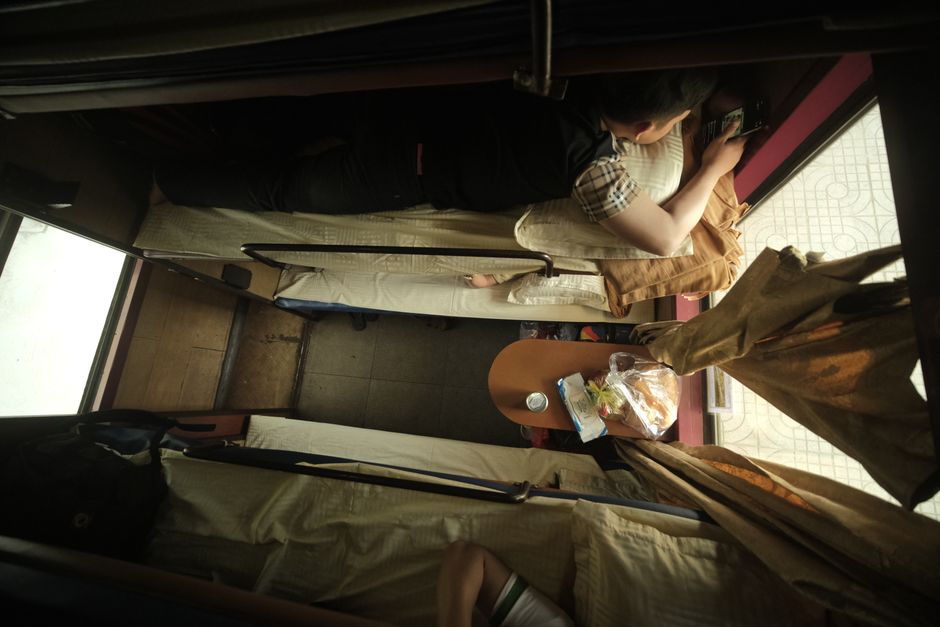
Expect a compact cabin, thinner walls than you’d like, and the kind of “sleeping on a train” that’s more doable if you’re not too picky about quiet. If you’re used to soft mattresses and complete darkness, go in with realistic expectations.
Schedules: how to think about arrival time
Night trains are usually appealing because they turn a travel night into a morning arrival in Transylvania. That means you can still do sightseeing the same day—provided you’ve planned your transport from the gară (station) to the city.
The key planning detail: the “arrival time” is not the same as “you’re checked in and ready.” Morning trains often mean you’ll either (a) store luggage, (b) wait a bit, or (c) book a hotel that can hold your bags.
Bedding and comfort logistics
Most night trains require you to handle bedding setup yourself (or at least parts of it). Don’t assume it’s automatically laid out the way a hotel does. If you want the easiest experience, pick a compartment where you can control your space, and keep essentials accessible for the moments you’ll be half-awake.
Also: trains can get warm or drafty depending on the cabin. A light layer helps more than you think.
Luggage: how to keep it low-stress
For luggage, night trains are manageable if you pack like you’re living on the move for a few hours. Bring a small “sleep kit” (water, charger, eye mask/earplugs if you use them, basic toiletries) so you’re not digging through bags at odd times.
A practical rule: keep your most-used items on you, not in a bag you have to open every time the cabin door swings.
Good to know: If you’re arriving early in Brasov or Sibiu and your hotel isn’t ready, luggage storage at or near the station saves your sanity; Radical Storage is one option people use when they need a straightforward drop-off.
Day Trains: When a seated journey is better

If you’re traveling with a bit more luggage (or you’re just tired of the idea of moving around in a small space at night), the day train can feel more natural.
Timing: you trade sleep for certainty
With a day train, you start in the morning and arrive during the day. That tends to reduce the “where do we wait with bags?” problem—because you can plan a direct transfer and check in later.
The trade-off is that it’s a full travel day, so you’ll want to plan your itinerary accordingly. If you’re aiming to do a long hike or a lot of walking on day one, leaving in the late morning or arriving late afternoon can make the first day feel rushed.
Luggage: easier flow at stations
Day trains tend to be simpler for luggage because you don’t need to reorganize your belongings for sleeping. You can keep your bag in the carriage area you’re assigned to, and you’ll arrive while stations are fully “in function.”
If you’re carrying rolling luggage, the comfort factor depends on how crowded the stations feel at your departure/arrival times. For less stress, aim for the calmer parts of the day when possible.
Good to know: If you go day-time, plan your last leg (station to city centre) before you board—so you’re not making transport decisions with tired legs.
Brasov Plan: Least luggage stress
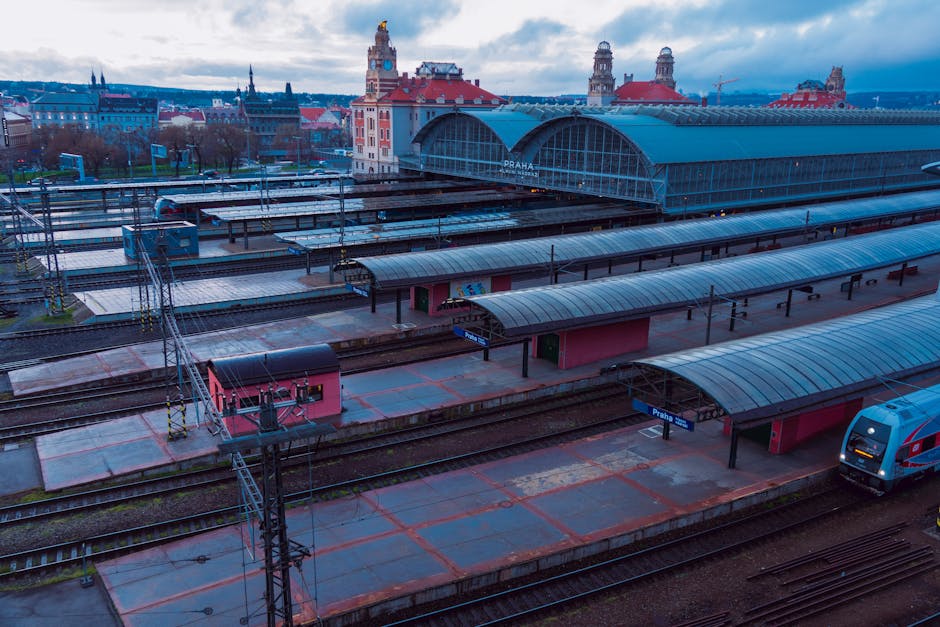
Instead of guessing, check your hotel’s policy once, then plan your day accordingly: either store your luggage and start exploring, or schedule a later check-in so you don’t waste time dragging bags around.
Pickup/drop strategy from the gară
Your “least luggage stress” strategy in Brasov is about minimizing walking with bags. The station-to-centre leg can be short, but it’s not always comfortable with heavy luggage.
In practice, most people do one of these:
- Pre-plan a straightforward transfer from the gară to your accommodation (so you’re not figuring it out while carrying bags)
- If you arrive early, store luggage near the station and then move light for sightseeing
- If you arrive later, take the transfer right away and do your exploring after check-in
The night train is best when your plan assumes early arrival and easy luggage storage.
If sleep matters, pick the right cabin mindset
If you’re going the night route to Brasov and sleep is important, prioritize a cabin situation where you won’t be constantly bothered by movement, noise, or people coming/going in your immediate area. Even when the train is “supposed” to be restful, the reality depends on occupancy.
Good to know: For Brasov, night train works best when you can either (a) store bags on arrival, or (b) accept that you’ll wait until check-in with minimal effort.
Sibiu Plan: Least “wait in stations”
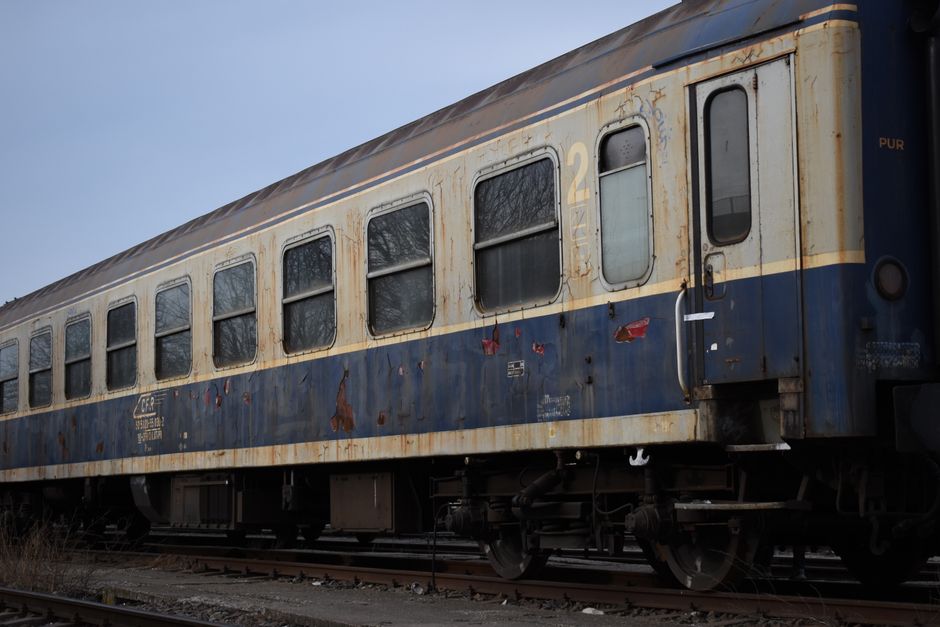
With a day train, you usually arrive later in the day, which often makes check-in smoother—especially if your accommodation is strict about timing.
Pickup/drop strategy from the gară
Sibiu’s “bag strategy” should focus on avoiding the station shuffle. If your accommodation is in the historic area, moving heavy luggage on cobbled streets or uneven sidewalks can be annoying.
So, plan for one of the following:
- If you arrive early: store luggage and head out with a small bag
- If you arrive later: go straight to the hotel, then explore on foot
Where people get stressed is arriving, then searching for transport options while dragging suitcases. If you reduce decisions at the station, you reduce stress.
Night vs day for Sibiu: a simple decision rule
If you’re the type who can fall asleep reasonably well on trains, the night train is a strong pick because you “buy” a full day back. If sleep tends to be fragile for you—or you know you’ll be annoyed by noise and bedding handling—choose the day train and treat travel as part of the itinerary.
Good to know: For Sibiu, prioritize minimizing walking after the train—especially if you have a roller suitcase.
How to choose (Comfort vs sleep vs timing)
Comfort: seating beats sleeping for many travelers
If your definition of comfort is “easy access + fewer uncertainties,” the day train usually wins. You can eat, stretch, and stay alert without being stuck in a cabin rhythm.
If your comfort definition is “don’t waste time,” the night train wins because you’re traveling while you sleep.
Schedules: match your arrival to your first activity
Before you decide, look at what you actually want to do after arrival.
- If you want to explore immediately (even briefly), night train + morning arrival is ideal—just plan luggage.
- If you want a smooth check-in and then stroll later, day train is often simpler.
Sleeping-car reality: when night trains are worth it
Night trains are worth it when:
- you can sleep even with some movement/noise
- you’re traveling light enough to keep essentials within reach
- you have a clear plan for luggage and timing on arrival
They’re not ideal when you’re a light sleeper, have lots of small items you’ll need frequently, or you expect “hotel-level quiet.”
Luggage stress: keep it simple either way
No matter what you choose, pack with “station reality” in mind:
- keep valuables and essentials with you
- avoid complicated bags that require constant unpacking
- plan for the time gap between arrival and check-in
Good to know: Your best decision isn’t only about night vs day—it’s about how your arrival time lines up with hotel check-in and how much effort you’re willing to spend moving luggage.
Final tips
- Check the exact direction and arrival city (Brasov vs Sibiu) on the timetable before you book—night trains can be very convenient, but you want the drop-off that matches your plan.
- If you take a night train, prepare a “sleep kit” and assume you’ll do bedding setup steps yourself.
- If you take a day train, plan a simple transport option from the gară to reduce stress with luggage.
- For either option, reduce your first-day friction: know your check-in timing and how you’ll handle bags on arrival.