

If you’re planning to stay near Amsterdam’s De Wallen but you hate noise, you’re in the right place. The trick is choosing the right pocket: close enough for a quick walk or short tram ride, but far enough from the most crowded corners.
We picked locations based on what locals actually do when they want a good night’s sleep: staying on calmer side streets, preferring rooms facing courtyards (binnenplaats) over noisy street fronts, and using trams/metro instead of “walking home past bars.”
How Noise Works Around De Wallen (Quiet Choices Explained)

What usually makes a stay loud
- Street-facing rooms on main lanes: even if it’s not a nightclub, the constant passing people adds up.
- Late-night queues and bar exits: you don’t need a club downstairs for it to get loud.
- Canal-street acoustics: water + stone + narrow streets carry sound.
The biggest quiet upgrade: room orientation
In practice, a hotel can be in the “right” neighborhood and still be noisy—if your room faces the street. Look for courtyard rooms (binnenplaats), rooms “at the back,” or anything that doesn’t look directly onto a busy lane.
The trade-off you’ll always see
- Walkable-to-De-Wallen usually means more noise risk.
- A short tram ride away usually means quieter nights, even if you’re still close enough to go out easily.
Best Areas Right by De Wallen, Still Sleep-Friendly

1. Kloveniersburgwal side streets
If you want to stay near the lantern-lined streets without sleeping directly on them, look for quieter side lanes off Kloveniersburgwal. This is a good strategy when you’re visiting for the area, not for nightlife right outside your door.
2. Singel canal (west of the busiest core)
The Singel is one of the best “sleeping with one foot in the center” options. Aim for the western sections where you’re close to the canal life but not staring at the densest late-night routes.
3. Spui / Begijnhof edge
Spui and the Begijnhof area can feel lively in the day, but at night it’s often calmer than the most intense De Wallen corners. It’s also practical: lots of tram lines nearby for when you want to avoid a late walk.
4. Oudezijds Achterburgwal (choose back lanes)
This street area is close to everything, but the difference is where your room faces. Choose hotels that sit on quieter back lanes rather than rooms looking onto the busiest stretches.
Good to know: Even in “quiet” pockets here, the best-room choice matters more than the exact address—prioritize courtyard-facing or “at the back” rooms.
Quieter (But Still Walkable-ish): Jordaan
5. Prinsengracht side streets
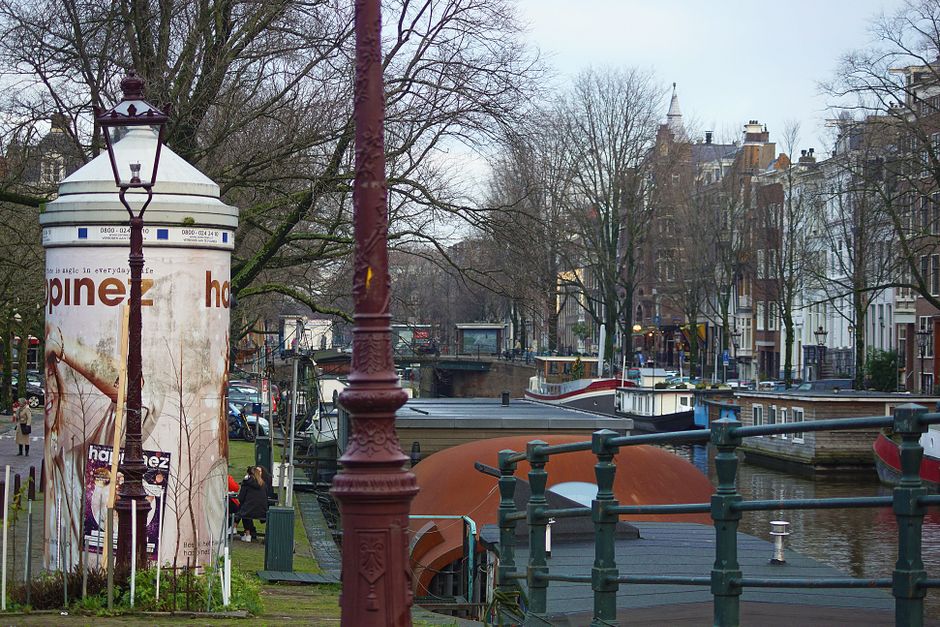
Stay on Prinsengracht’s side lanes rather than the most tourist-heavy stretches. The further you are from the obvious walking routes, the more you’ll notice the quiet.
6. Westerkerk area (quiet lanes around the church)
Around Westerkerk, you can find a calmer residential rhythm while still being “center close.” It’s a smart choice if you want to enjoy canals in the evening without the constant crowd noise.
7. Egelantiersgracht & Noordermarkt side streets
This part of Jordaan works well for people who want a local-feeling base and an easier return home. It’s also convenient for grabbing a late borrel (a casual drink) and still sleeping well afterward.
Good to know: Jordaan can be very nice, but it’s still central—if you book a street-facing room on a busier lane, you’ll trade De Wallen noise for general city foot-traffic.
Calm-leaning and Tram-Connected: Oost

8. Kattenburg & Wittenburg (East Docklands)
If you want fewer late-night crowds, the eastern docklands can be a great base. It’s not the classic canal-tour vibe, but it’s often calmer, and trams make the trip back straightforward.
9. Oosterpark edge toward Zeeburg
Choose streets slightly away from the busiest intersections and you’ll usually get a calmer sleep. This is a good balance: you’re still close to central Amsterdam, but you’re not in the highest-noise zone.
Good to know: Oost often feels more “local neighborhood” at night—great if your priority is sleep, not stepping out directly into the red light bustle.
Booking Tips for a Truly Quiet Room
Even with the right neighborhood, you’ll improve your odds a lot by booking like a local.
Filters and phrases that actually help
When you’re searching, look for wording like:
- “Courtyard view / garden view / at the back”
- “Quiet room”
- “Interior rooms” / binnenplaats (courtyard)
And avoid listings that clearly say your room looks onto a street known for nightlife or constant foot traffic.
What to message before you book
If you can contact the property, ask one clear question: “Do you have a room facing the courtyard/inner garden, away from the street?”
You’re not asking for a special favor—you’re asking how they handle noise.
Use map browsing like a noise detective
Before you commit, zoom in on the map and check:
- What’s directly across the street (bars/clubs vs residences)
- How close you are to a major tram stop
- Whether your chosen room is on a corner (corners often get more movement)
If you’re using Booking.com for discovery, favor listings where you can clearly see room-type details (street vs courtyard) and read recent guest comments about noise.
The safest “sleep” choice if you’re flexible
If your priority is silence, pick the place with the easiest short tram ride home and then choose a courtyard room. It’s the simplest way to avoid the “walk back through noise” trade-off.
Your Night-Transit Plan (Tram/Metro)
The best way to stay near De Wallen without absorbing the noise is to plan your return so you’re not relying on a late walk.
Keep it simple: go out on foot, return by tram/metro
Many people do this pattern: go to De Wallen in the evening on foot (because it’s close), then return by transit once the crowds thin out.
What to look for when choosing your base
Choose a hotel within a short walk of a tram stop (and not necessarily the closest one to De Wallen). This gives you options if one line is busy.
Why this matters for noise
Even a 10–15 minute ride can mean you’re suddenly away from the densest foot-traffic corridors. The “quiet room + quick transit” combo is what usually delivers the best sleep.
Final tips
- If you want quiet, prioritize courtyard rooms (binnenplaats) over “perfect address.”
- For the best balance, consider Jordaan or Oost for sleep, then use trams to get back to De Wallen.
- Read noise comments specifically for street-facing rooms—many reviews say more than the general neighborhood description.