If you want to wake up near Vondelpark but not hear the city party all night, we’ll help you pick the right area. This guide is for first-timers who want smooth connections and for repeat visitors who already know the “big sights” and now care about sleep, walks, and easy tram rides.
We curated these neighbourhoods by (1) where night noise usually comes from (big squares, bar streets, and busy park entrances), and (2) how quickly you can walk to tram corridors without crossing half the city on foot. We’ll also tell you what to favour—like inner courtyards, side streets, and tram “reach”—so you can book with confidence.
1. Vondelbuurt – Around the park for a calm, residential vibe
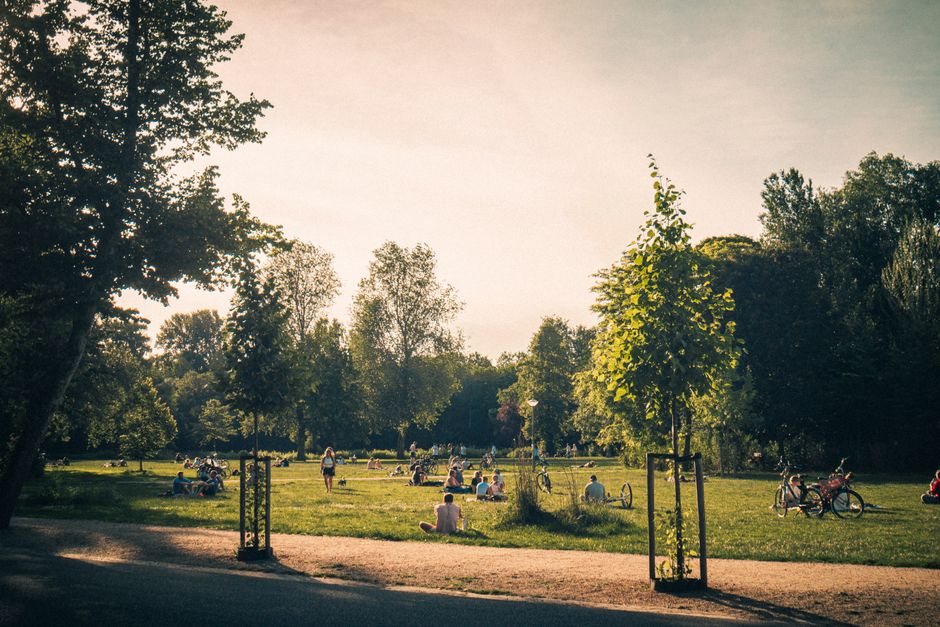
At night, the loudest moments usually come from people heading toward (or leaving) Vondelpark entrances—not from constant street life. If your accommodation sits a few blocks away from the busiest paths and squares, you typically get the Amsterdam rhythm without the late-night soundtrack.
For tram access, aim for streets that are an easy walk from the main east-west routes near the park edge. Even when you’re not directly on a tram stop, you’ll usually reach one in ~8–12 minutes on foot.
This is a great choice for first-timers who want to be near the park and museums without feeling like they’re staying “in the middle of the action.”
Good to know: When comparing listings, check whether your windows face a courtyard/back street—this small detail often makes a bigger difference than the neighbourhood name.
2. Willemspark – South of the park for leafy calm

Night noise is generally more “occasional” than “constant.” You can still hear some weekend movement—especially when streets connect toward Leidseplein or when people spill out after dinners—but it’s usually not the same level as areas built around bars and clubs.
Trams are still very workable because you’re close to the tram-busy parts of Oud-West and Oud-Zuid. In practice, that means you can either walk to a tram stop near the park-side corridors or reach a major stop with a short tram hop.
Repeat visitors often love Willemspark because it feels a step more local: more evening walks, more calm mornings, and fewer “tourist-lobby” vibes.
Good to know: If you’re booking for a light sleeper, prioritise buildings that don’t sit directly on wider streets (those carry more traffic noise even when nightlife is quiet).
3. Roelof Hartplein & De Lairessestraat – Central, but choose the calmer streets

In terms of night noise, the biggest difference is whether you’re near the “movement” routes: roads with frequent traffic, short-cuts used by night walkers, and streets with lots of takeaway spots. Go for the quieter side streets just off the main flow.
You’ll find trams within comfortable walking distance, and you can usually get to Museumplein, Leidseplein, or the tram lines heading toward Central with minimal fuss. It’s one of the better compromises if you’re travelling with someone who cares about sleep and someone who cares about “being near everything.”
First-timers often find this area easy because it balances convenience with calmer evenings—especially if you’re not staying right on top of a tram stop.
Good to know: Look for “away from the street” layouts (back-facing rooms, higher floors with better insulation). Even a 2–3 minute difference in location can change the noise profile.
4. Concertgebouwbuurt – Elegant, calm nights near major sights

Night noise here typically comes in waves rather than continuously: people coming and going from events, occasional late-night restaurant traffic, and general city movement. If you stay a bit away from the busier frontages, you’ll usually get a smoother sleep pattern.
Tram links are excellent because you’re in Oud-Zuid’s “tram-connected” zone. You can walk to a tram stop quickly, and from there you can reach many key areas without needing to switch lines too often.
We recommend this for first-timers who want to feel “close to the classics” while still having a calmer base for evenings. It can also suit repeat visitors who prefer a quieter, walk-first routine.
Good to know: If you’re going to events at/near the Concertgebouw, double-check event dates when booking—those nights can be busier around the venue.
5. Museumkwartier (Museumplein edge) – Best for convenience, quieter with the right street
Museumkwartier is a common first pick because it puts you close to the museums, leafy edges, and the tram network. But the trade-off is that Museumplein and the immediate “tourist routes” can be lively into the evening.
For a quiet night, don’t just pick “Museumkwartier”—pick your street. The closer you are to the big squares and main pedestrian flows, the more you’ll feel the weekend energy. Side streets that run parallel to the main corridors usually calm things down a lot.
Trams are basically your second set of legs here. You can get across the city without walking far, which makes it easier to keep your evenings relaxed: you can eat near your accommodation, then move away from nightlife clusters.
This area works well for first-timers who want proximity to Amsterdam highlights and value short travel times more than total silence. For repeat visitors, it’s great if you’re staying on the calmer edge rather than the most central-facing streets.
Good to know: If your listing is within a few streets of Museumplein/major museum entrances, prioritise double-glazing and ask whether rooms face an inner courtyard.
6. Oud-West (De Clercqstraat & nearby streets) – Local energy with controllable noise
Oud-West is where you’ll find a mix of busy daily life and neighbourhood calm. Around De Clercqstraat and nearby streets, you’re close to tram corridors, but you can still find places that aren’t right on top of nightlife.
Night noise often depends on how close you are to bar/restaurant pockets and larger arterial roads. The good news: Oud-West is large, so you can usually choose a quieter street just a short walk away from where the evening crowds gather.
This is also one of the best areas for “walk + tram” travel. You can do long evening walks (food streets, cafés, quick supermarket runs) and still rely on trams for effortless connections when you don’t want to cross the city on foot.
We like this for repeat visitors and for first-timers who want a more everyday Amsterdam feel—not just museum days. It’s also easier if you’re travelling with friends who want options nearby.
Good to know: If you’re sensitive to sound, avoid listings directly above busy cafés or takeaway strips; even when the rest of the neighbourhood is calm, that specific placement can ruin sleep.
7. De Baarsjes (Erasmuspark area) – A calmer west-side base with still-easy access
De Baarsjes gives you a west Amsterdam base that’s often quieter than the most central “party-adjacent” zones. Erasmuspark and the surrounding residential streets tend to feel more lived-in, with fewer tourist corridors.
At night, noise is usually more “neighbourhood” (people walking home, occasional late food spots) rather than constant nightlife. You may still hear traffic at times, because like any city, wider roads bring sound—but in many streets the overall nighttime atmosphere remains manageable.
Tram links are still within reach because De Baarsjes sits close enough to the tram-connected parts of Amsterdam. Practically, you’ll often walk to a main stop, ride to a hub, and then keep going—so you’re not sacrificing the network, just spreading your routes a bit.
This is especially good for repeat visitors who want less crowd density and more relaxed evenings. It can also work for first-timers if you’re happy to use a tram for your “big day trips” across the city.
Good to know: When comparing options, look at the walk to the nearest tram stop in daylight and at night—some streets are fine but feel different after dark.
Final tips
- For quiet near Vondelpark, prioritise location “a few streets off” busy squares and main routes. Neighbourhood names are less useful than the exact street.
- If you’re a light sleeper, look for back-facing rooms, courtyard views, and higher floors (noise drops noticeably).
- Plan your tram habit: choose an area where you can realistically reach a tram stop within ~10–15 minutes on foot, even with groceries.
- If you’re browsing multiple dates, we usually start with Booking.com for filtering by room type and location notes, then we cross-check direct info for the quietest options.
If you want, tell us your travel month and whether you prefer “walk to everything” or “tram to everything,” and we’ll narrow these down to the best 2 areas for your exact style.