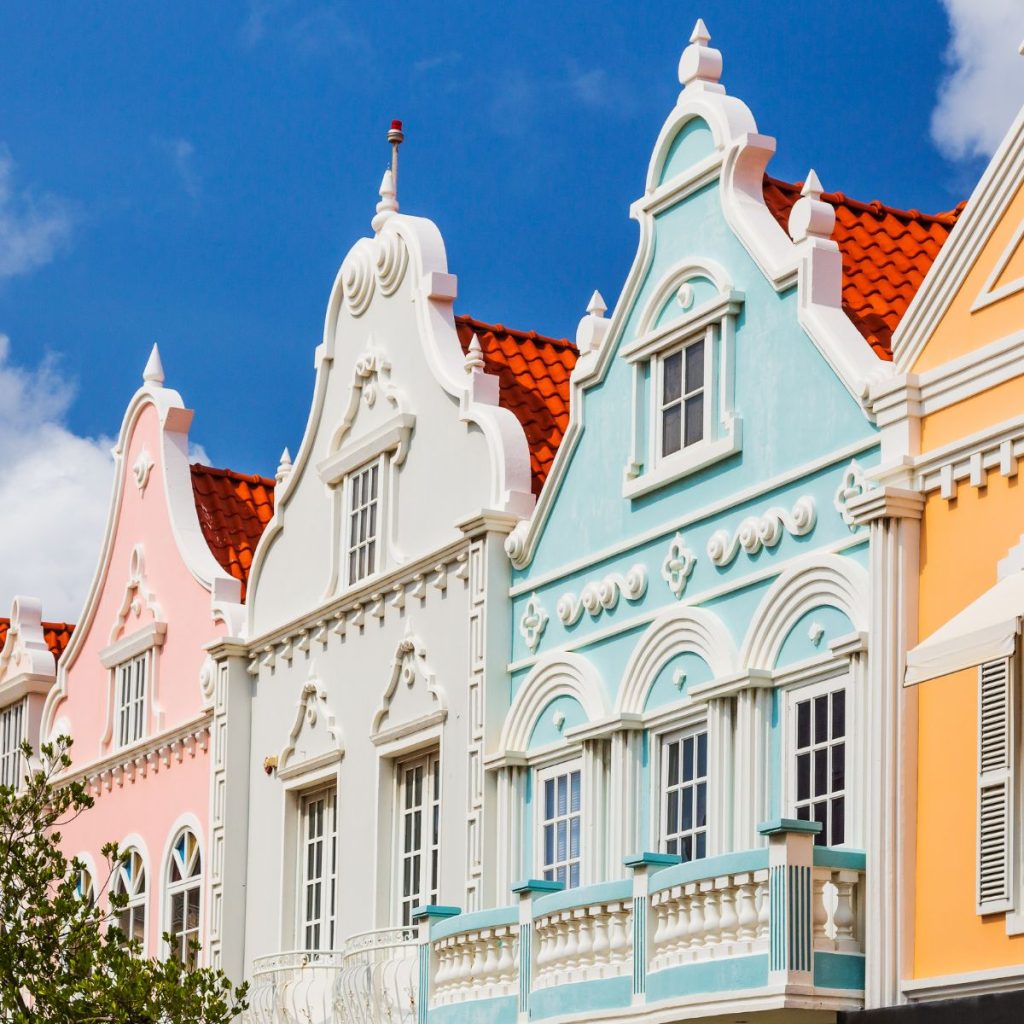

If you’re craving the real Dutch market vibe (not just a tourist stop with tiny samples), these cheese markets near Amsterdam are the ones locals still plan their day around.
We picked places that (1) run seasonally like the classic “kaasmarkt” you see in old photos, (2) are realistically reachable by train, and (3) make it easy to buy cheese you can actually carry home.
Below, you’ll find practical logistics from Amsterdam, a clear “what to buy” guide, and tips to keep cheese tasting great instead of sweating in your bag.
1. Alkmaar Kaasmarkt – Alkmaar

Alkmaar is the most straightforward choice for a cheese market day because it’s close to Amsterdam and the main market action is in the centre (easy to combine with a walk through the old city). This one is called a “Kaasmarkt” for a reason: it’s built around the trade of Dutch cheeses, with weighing, trading, and lots of sampling.
When it runs (season + timing)
Traditionally, Alkmaar’s classic cheese market runs in the warmer months. Think late spring to early autumn, with the schedule focused on mornings. Exact days can vary by year, so check the announced dates before you go.
What to buy
For carrying and eating later, the usual winners are the firm cheeses:
- Jong (young) Gouda: mild, easier for beginners.
- Belegen Gouda: slightly more flavour, still pretty flexible.
- Edam: creamy but firm enough to travel.
If you see vendors offering wedges with different ages, that’s your shortcut: pick one “mild” and one “more aged” so you can taste the range.
How to get there from Amsterdam
- Train: typically about 35–50 minutes to Alkmaar. From the station, it’s a short walk/bus into the centre.
- Car: around 40–60 minutes, but Amsterdam traffic can swing the timing.
- Bus: often possible, but train is usually the easiest if you’re planning around a market morning.
Try to arrive a bit early. Even if you’re not buying right away, it’s the best time to taste and figure out what you actually like.
Good to know: Ask for the cheese to be wrapped for travel (paper + proper packaging). Bring a small cooler bag only if you’re going to be away from a fridge for many hours.
2. Gouda Kaasmarkt – Gouda

Gouda is the big-name cheese city, and its market is one of the most “old-school” ways to experience Dutch cheese culture. If you want to buy cheese that’s a little more ceremonial than a shop counter, Gouda is the place.
When it runs (season + timing)
Gouda’s traditional market runs in the spring/summer period, generally on certain days in the morning (not year-round). Outside the main season, the city still has cheese shops and tastings, but the big public weighing/trading setup may not be the same.
What to buy
Gouda is naturally your main character here. Consider:
- Gouda “jong” vs “belegen”: two different intensities, easiest to compare.
- Extra-aged Gouda (ouder / extra rijp) if you like stronger, drier flavours.
- A small “variety” purchase: one firm cheese you can carry, plus one that you’ll eat earlier.
If you’re not sure which age to choose, go for “belegen” as the middle ground and then add one more aged piece for later.
How to get there from Amsterdam
- Train: typically about 1 hour 10 minutes to 1 hour 30 minutes. It’s usually a simple route to Gouda station, then a short walk/quick connection to the market area.
- Car: often around 1–2 hours, depending on traffic and where you park.
- Bus: possible but usually slower than train when you’re matching a morning market.
Because Gouda is popular, treat the morning as your best friend: less waiting, more choice, and better timing for buying before your day fills up.
Good to know: If you’re buying multiple cheeses, separate them by type/firmness in your bag so nothing softer gets squashed or picks up aromas too strongly.
3. Edam Cheese Market – Edam
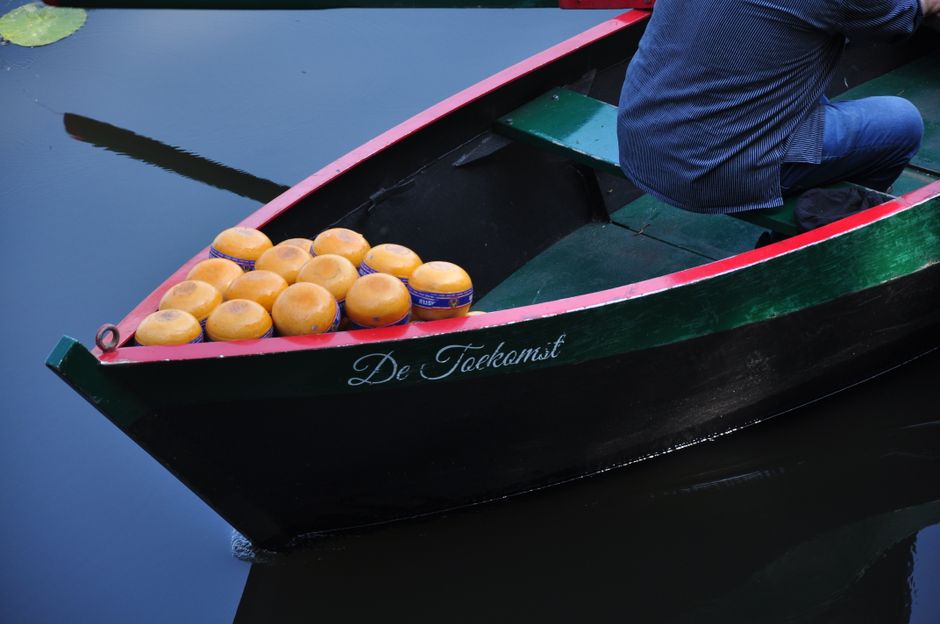
Edam is close to Amsterdam and brings a calmer, smaller-town feel. It’s a good pick if you want the classic cheese market experience without committing to a long day or a huge crowd.
When it runs (season + timing)
Edam’s cheese market also follows the seasonal pattern: you’ll typically see it during warmer months with specific market days (often in the morning). Check the current calendar for the exact dates, because seasonal start/end can shift.
What to buy
Edam is famous for its firm, travel-friendly style. What locals often look for:
- Edam (various ages): choose younger for mild, older for sharper.
- Pre-cut wedges for sharing if you’re planning a picnic later.
If you’re bringing cheese as a gift, an Edam-style portion is usually the easiest “safe bet” because it holds up well.
How to get there from Amsterdam
- Train: about 20–40 minutes to the Edam/Volendam area, then it’s usually a short ride/walk into the centre.
- Car: roughly 30–50 minutes, depending on traffic.
- Bus: sometimes convenient for the last mile, but train is the cleanest option if you’re aiming for market time.
Edam works nicely as a half-day add-on too. Pair it with a stroll in the harbour area if your schedule allows.
Good to know: If you’re buying for later, don’t wait until the last second in the market crowd. Choose your cheeses, confirm the wrapping, and only then do the sampling trail.
When to go (season guide)

Dutch cheese markets near Amsterdam are mostly seasonal summer events. The “classic” kaasmarchandise (cheese trade) feels right when the weather is warmer, and vendors are set up for crowds.
A practical way to plan:
Late spring (around May to June)
Start-of-season markets usually have the widest “beginner-friendly” availability: jong and belegen cheeses, plus a lot of sampling. This is a good time if you want fewer peak-crowd bottlenecks.
High summer (July to August)
This is the busy stretch. If you love choice and don’t mind more people, go early in the morning. Expect more activity, more tasting, and faster decisions at stalls.
Early autumn (September)
Often the tail end of the big market days. You can still get great cheese, but some markets slow down or reduce frequency. If you’re travelling at this time, verify the last run dates.
Winter (roughly November to March)
You’re unlikely to catch the full “traditional market” format outdoors. Instead, rely on cheese shops, cheese tastings, and indoor retail (great for buying and sampling, just not the same weighing/trading theatre).
Logistics note: if your trip overlaps with shoulder season, don’t assume a “known market” is definitely running on a specific date. Check the official calendar before you build the rest of your itinerary.
How to buy and pack cheese
You can absolutely buy cheese at these markets and still enjoy the rest of your day. The trick is to buy what travels well and to pack it like you’re protecting flavour.
What to buy if you’re carrying it back the same day
Choose firm, vacuum-friendly cheeses:
- Gouda (jong, belegen, aged)
- Edam
These handle warmth and movement better than very soft, spreadable cheeses. If you want something softer, buy a small amount and plan to eat sooner.
How to buy (so the vendor can help you)
When you’re at the stall:
- Ask for proper wrapping for travel.
- If you’re buying multiple cheeses, ask whether they can be wrapped separately.
- If you’re taking the cheese home the same day, let the vendor know you’ll be in transit and for roughly how long.
Even if the market vibe is fun, keep it practical: decide your “ages” and quantities first, then taste.
How to pack it so it doesn’t ruin your trip
Bring the simple tools that make a difference:
- Small insulated/cooler bag (optional but useful in summer)
- Re-sealable zip bags or a second container (prevents cross-odours)
- Paper wrap outside, plastic/foil inside if that’s what your vendor offers (aim for less moisture loss, fewer leaks)
For longer days, keep cheese away from heat sources (sunny car seats, direct tram windows). Store it in the coolest part of your bag and avoid stacking soft cheese on top of firm wedges.
If you’re heading home after a flight or long train ride
Most travellers do fine with firm cheeses, but be realistic about time and temperature. If you’re away from a fridge for many hours, choose firm varieties and plan to refrigerate as soon as you reach home. Avoid buying very delicate cheeses “just because they look great” if you can’t eat soon.
Eating it later (so it tastes better)
Let firm cheese warm up briefly after refrigeration. Cold, straight-from-the-fridge cheese can taste muted; a short rest at room temperature brings back flavour.
Final tips
- Aim for a morning arrival: you’ll get better choice and smoother shopping before the biggest crowds.
- Buy two styles, not ten pieces: one mild and one stronger age is the easiest way to enjoy a market purchase.
- Plan your walk route after buying: don’t buy last and then immediately do a long, sweaty transfer—keep transit and heat in mind.
- Verify dates in-season: these markets run seasonally, so the calendar matters more than the calendar memory.